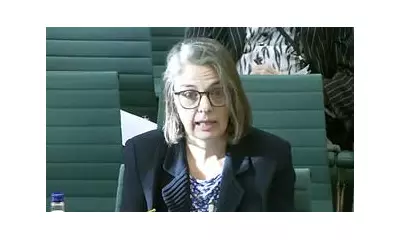
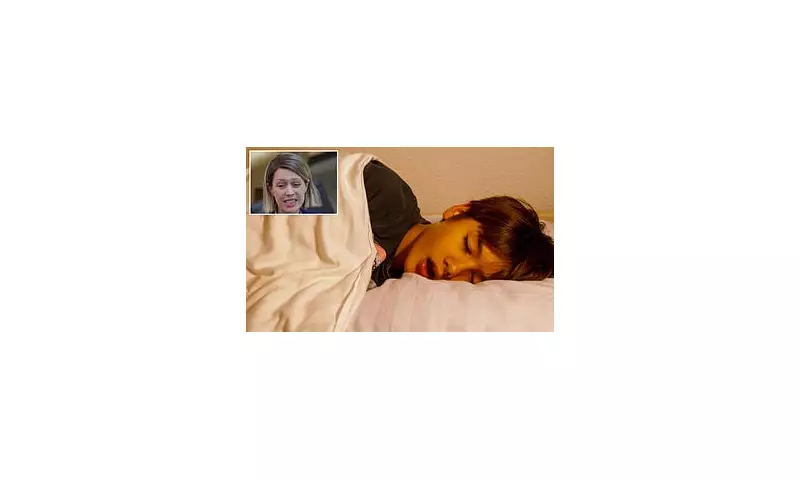
Scotland's Education Secretary, Jenny Gilruth, has announced potential reforms that could see the traditional school day start later for secondary pupils. This radical re-evaluation aims to address the common struggle teenagers face getting up in the mornings, which often leads to them arriving late and missing the beginning of lessons, typically around 9am.
A Root-and-Branch Restructure
Ms Gilruth, a former modern studies teacher, stated she would consider a comprehensive restructure of the school day as part of a bid to tackle the worrying rise in challenging behaviour and violence within secondary schools. She indicated that a shift away from the established pattern of six to eight lessons per day was something she 'would be happy to raise' with local authorities.
This move comes amidst growing concern over several critical issues in Scottish education: widespread truancy following the Covid pandemic, increasing incidents of classroom violence, and persistent fears about declining education standards under the SNP Government. The proposal also acknowledges the need for school hours to continue suiting working parents.
Addressing the Causes of Lateness and Violence
Drawing on her own teaching experience, Ms Gilruth described the current school day as 'challenging' for many young people. 'Having taught myself, watching young people arrive to school late is a feature sometimes over secondary schools, where they struggle to get up in the mornings,' she explained in an interview with Scotland on Sunday. 'And I think we should reflect that.'
When questioned directly about violence in schools, the Education Secretary pointed to a complex interplay of factors, including poverty, a rise in pupils with additional support needs, and the lasting impact of the Covid pandemic on young people. This is supported by stark figures obtained through freedom of information requests, which revealed 91 serious injuries to Scottish school staff caused by violence in the latest year—a figure three times higher than a decade ago and representing the fastest rise in Britain. These injuries included fractures, dislocations, and loss of consciousness.
Political and Public Reaction
The proposal has not been met with universal approval. Scottish Tory education spokesman Miles Briggs criticised the plan, stating: 'Instead of cutting school hours, Jenny Gilruth should be focusing on fixing the SNP’s savage cuts to council budgets, which have left schools underfunded and teachers overstretched.' He added that the proposal demonstrates 'how out of touch the SNP Government are with working parents.'
Meanwhile, some local authorities are already exploring changes. Several secondaries in West Fife are expected to finish before lunch on Fridays under a restructure planned for August at the start of the 2026-27 term. Conversely, Dumfries and Galloway Council is expected to drop its plans for a four-and-a-half-day school week following significant opposition from parents.
Despite the controversy, Ms Gilruth remains open to discussion, affirming that a wholesale change in the school system is 'not something I’d be against' in talks with local government. However, she crucially balanced this by noting, 'We also need to remember that parents and carers go out to work, and we need to have a school day that works for them as well.' A Scottish Government spokesman confirmed that the Education Secretary has undertaken to raise this issue with Cosla, recognising the shared responsibilities for school improvement.