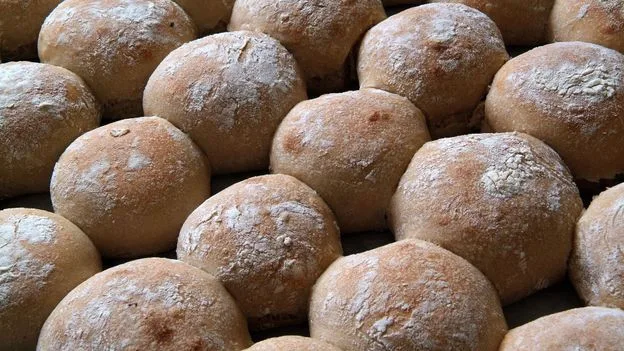
Everyone in the UK has an opinion on what to call the humble bread roll, a seemingly inoffensive foodstuff that sparks fierce regional debate. A study by the University of Manchester identified seven terms used across the country, including 'batch' in Coventry and Liverpool, 'barm' in Lancashire, 'teacake' in West Yorkshire, 'muffin' in Oldham, and 'bun' and 'cob' in north-east England and the Midlands respectively. Other sources list up to 20 variations, such as 'stottie' in north-east England, 'oven bottoms' in Lancashire, and 'scufflers' or 'breadcakes' in the Leeds area.
The confusion is real: ordering a 'toasted teacake' in a West Yorkshire sandwich shop might get you a plain, savoury bread roll, while elsewhere in the UK, a teacake is a sweet bun with currants. Dialectologist Jonnie Robinson of the British Library notes that in Nottingham or Derby, you would go to a 'cob shop' rather than a sandwich shop.
These regional words reflect more than opinion; they reveal geographical barriers, political and cultural divisions, and settlement history, according to linguist Dr Laurel MacKenzie. For instance, 'batch' comes from an old Germanic word meaning 'to bake', while 'barm' (meaning yeast) likely descends from a native Germanic word. The origins of 'bap', used in Northern Ireland, the Isle of Man, and Scotland, remain a mystery, though it is attested as a Scots word. In Wales, 'bara' simply means 'bread', and its use for bread roll may be a mistranslation.
Dr Tam Blaxter of Cambridge University notes that English stands out for its culture of debating 'right' and 'wrong' speech. These bread debates are ultimately about identity, with northern regions showing greater diversity in regionalisms compared to the south.