South Korea Relaunches Truth Commission with Focus on Adoption Fraud
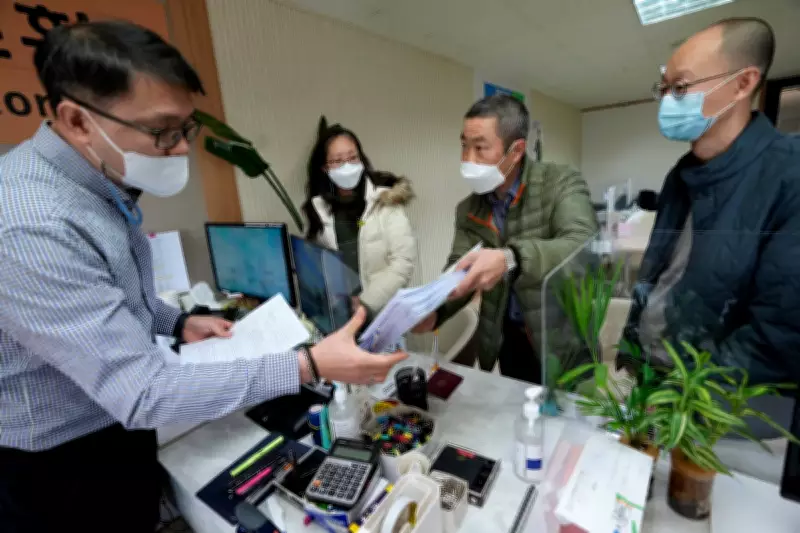
South Korea has officially relaunched a fact-finding commission dedicated to investigating past human rights violations, with a primary emphasis on the widespread fraud and misconduct that plagued the nation's historic foreign adoption programme. The Truth and Reconciliation Commission, now in its third iteration, commenced accepting new cases on Thursday, following the expiration of the previous commission's mandate in November, which left more than 2,100 complaints unresolved.
Inheriting Unresolved Cases and Expanding Scope
The newly established commission will inherit all pending cases, including 311 submissions from Korean adoptees in Western nations that were either deferred or incompletely reviewed. This follows the suspension of a landmark adoption investigation in April last year by the second commission, due to internal disputes over which cases merited recognition as problematic. Advocates report significantly heightened interest among adoptees this time, with hundreds already seeking investigations, including many from the United States who were underrepresented in prior inquiries, despite American parents being the largest recipients of Korean children over the past seven decades.
However, investigators from the previous commission caution that it may take months, potentially until May or June, for new probes to commence in earnest. The government has yet to appoint a chairperson to lead the commission, which has not yet formed investigative teams and will initially be managed by civil servants tasked with receiving and registering cases.

Broadened Investigative Mandate
Established under a law passed in January that expands its investigative authority, the new commission will also examine other human rights abuses potentially attributable to the government. These include civilian killings during the 1950-53 Korean War, repression under military dictatorships from the 1960s to 1980s, and decades-long abuses of inmates at welfare facilities.
From the 1970s to the early 2000s, South Korea sent thousands of children annually to the West, peaking at an average of over 6,000 per year in the 1980s. During this period, the country was governed by a military regime that viewed population growth as a threat to economic objectives and treated adoptions as a means to reduce the number of dependents, contributing to what is now possibly the world's largest diaspora of adoptees.
Previous Investigations and Findings
The suspension of the prior adoption probe in 2025 followed a nearly three-year review of cases across Europe, the United States, and Australia. During this period, the second commission confirmed human rights violations in only 56 out of 367 complaints filed by adoptees. Nonetheless, the commission issued a significant interim report concluding that the government bears responsibility for a foreign adoption programme riddled with fraud and abuse.
This programme was driven by efforts to reduce welfare costs and executed by private agencies that frequently manipulated children's backgrounds and origins. The report challenged the longstanding narrative, shared in South Korea and receiving Western nations, that adoptions were primarily motivated by humanitarian concerns, broadly aligning with previous reporting by The Associated Press.
AP investigations, in collaboration with Frontline (PBS), utilised thousands of documents and dozens of interviews to demonstrate how South Korea's government, Western nations, and adoption agencies collaborated to supply approximately 200,000 Korean children to parents overseas, despite years of evidence indicating many were procured through corrupt or outright illegal means.