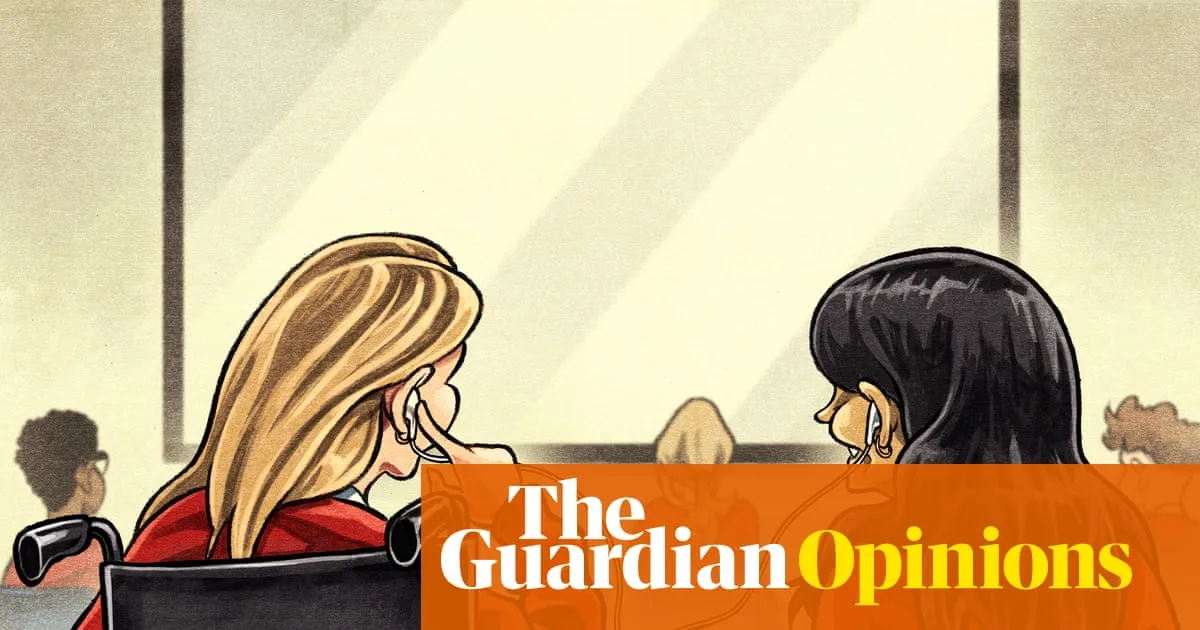
When I was 11, a woman at the hospital asked me what school I was starting in September. I still remember her surprise when I told her I would be going to the local girls grammar, as the hoist pulled my wet limbs out of the physio pool. I was a child but already familiar with those few seconds: the time between a person seeing my wheelchair and the flash across their face as they tried to recalibrate their expectations.
That was the summer of 1996, five years before the law required schools to make “reasonable provisions” for disabled pupils, and only two or three decades after it was the norm to segregate us in “special schools” with rudimentary curriculums, away from “normal” children.
I thought of this as I read Labour’s overhaul of Send, the system for special educational needs and disabilities in England. These are significant and complex changes, many of which will not fully come into force until 2030, but “inclusion” is the overriding theme: all mainstream schools will now have tailored support to – in the government’s words – “make every school truly inclusive”, with multibillion-pound funding for 60,000 additional special-needs places and “inclusion bases” in all schools. Children with the most complex needs will still be able to attend specialist schools.
This comes after a decade in which failed reform has seen more and more disabled kids siloed out of mainstream schools. Between 2012 and 2019, the number of children with Send in English mainstream education fell by almost a quarter, while those attending specialist schools rose by nearly a third. At the same time, teaching assistants – who typically provide help for pupils with additional needs – and specialist teachers for deaf children have been cut.
The government, to its credit, is keen to stress that attempts to tackle this are not about saving money, but the narrative that pupils with special needs are an expense the country can’t afford is never far away. Read the media coverage this week and you’ll see much of the focus is on “spiralling costs” and the soaring number of children with Send plans. As the Times put it, the overhaul won’t stop the cost of educating Send students “soaring until the end of the decade”.
There are very valid questions to be asked about how public money is being used for special-needs education. Private schools are currently being paid £2bn a year by councils to teach disabled pupils, with such institutions – often backed by private equity firms – charging more than twice the price of the state sector. Meanwhile, by 2030-31, local authorities in England are expected to shell out £3.4bn just for transport for children unable to attend their local school.