The UK has been accused of 'quietly' cutting virtually all aid to Sierra Leone, including a £35m grant for maternal and newborn health. This is the first confirmed case of a country losing out under the government's plan to shrink the global development budget by 40 per cent.
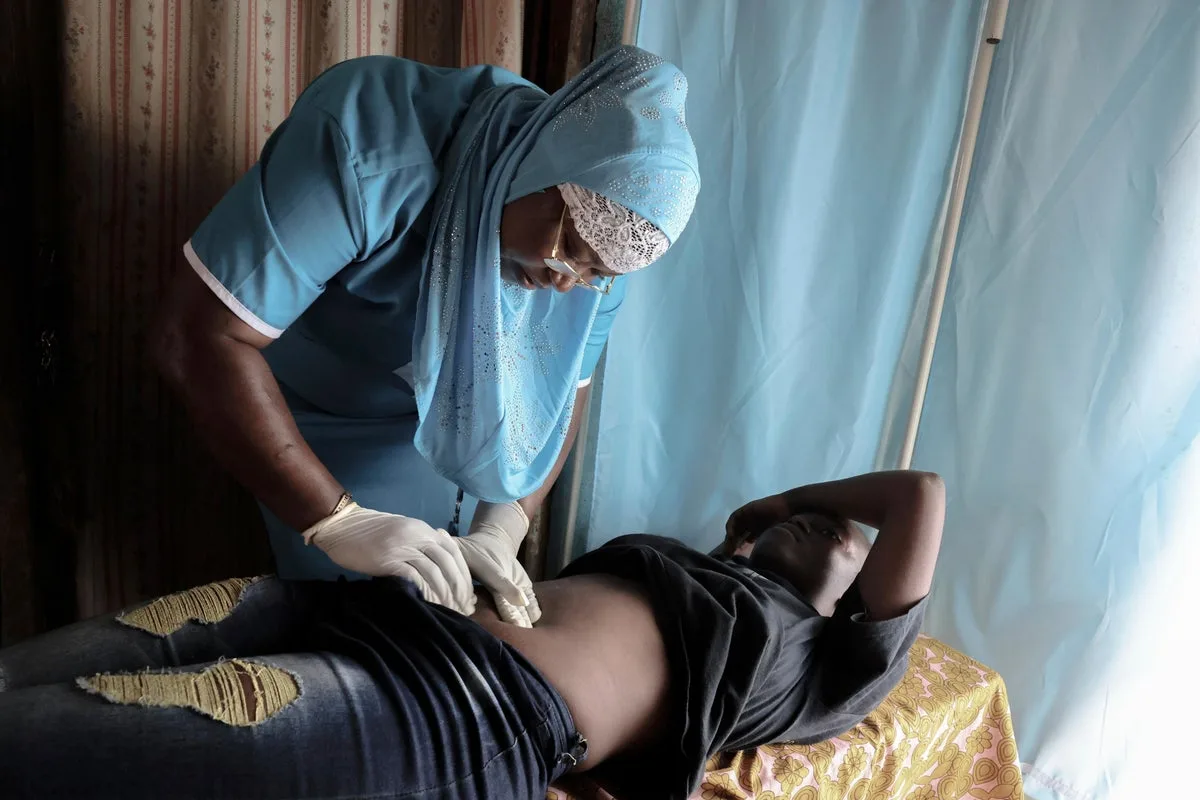
The programme, run by a consortium including Concern Worldwide and Helen Keller International, provided essential medicines, hospital training, and access to blood and testing for preventable causes of maternal death such as pre-eclampsia. Its funding will fall from £35m to £1m by 2027, before closing.
Pete Baker, deputy director of global health policy at the Center for Global Development, told The Independent that grants were being cut 'quite quietly behind the scenes'. He said: 'You'd hope that they'd be willing to be more transparent around some of these cuts given that lives are at stake.'
The Foreign, Commonwealth and Development Office (FCDO) is prioritising spending on large international funds like Gavi and the Global Fund, as well as humanitarian responses in Gaza, Ukraine and Sudan. A separate Unicef-delivered part of the grant, which included buying essential medicines for pregnancy and birth, will end in March, raising concerns about Sierra Leone's ability to absorb the sudden expense.
Unicef spokesperson for Sierra Leone, Suzanne Wooster, said: 'Reductions in funding for newborn and child health risk disrupting essential services at a critical time.' The FCDO was expected to publish further details of cuts in autumn, but this has been delayed, possibly into next year.
An FCDO spokesperson said the UK remains committed to sexual and reproductive health rights, but must 'modernise our approach to development'. The UK had invested over £187.9m in Sierra Leone's health system over the past decade.