South Sudan on the Precipice of Renewed Civil War Amid Escalating Violence
South Sudan, the world's youngest nation, is teetering on the edge of a catastrophic return to full-scale civil war as violent confrontations between government-aligned forces and opposition groups intensify. Observers warn that the escalating conflict risks plunging the country back into the bloody turmoil that previously claimed over 400,000 lives and displaced millions.
Deadly Raid Near Sudan Border Claims 169 Lives
In a brutal incident on Sunday, armed youth from Mayom county launched a devastating raid on a village in neighbouring Abiemnom county, close to the Sudan border, resulting in the deaths of at least 169 individuals. The victims included women, children, and members of government security forces, according to James Monyluak Majok, the information minister for the Ruweng administrative area. The United Nations mission in South Sudan reported sheltering more than 1,000 civilians in its local base and providing medical care to approximately 23 people wounded in the attack.
Stephano Wieu de Mialek, the chief administrator of Ruweng, attributed the assault to forces linked to the White Army militia, which was allied to suspended vice-president Riek Machar during the civil war, alongside affiliates of Machar's political party and rebel group, the Sudan People's Liberation Movement-in-Opposition (SPLM-IO). However, the group has denied responsibility, stating it has no military presence in the area.
Humanitarian Crisis Deepens with Missing Aid Workers and Displacement
The violence has triggered a severe humanitarian emergency. Doctors Without Borders (MSF) announced on Monday that 26 of its staff are unaccounted for amid ongoing insecurity in Jonglei state, where intense fighting between government and opposition forces has persisted since December. The organisation revealed that its hospital in Lankien was hit by an airstrike from government forces, subsequently burned and looted, while its health facility in Pieri was also looted, forcing the suspension of medical activities in both locations.
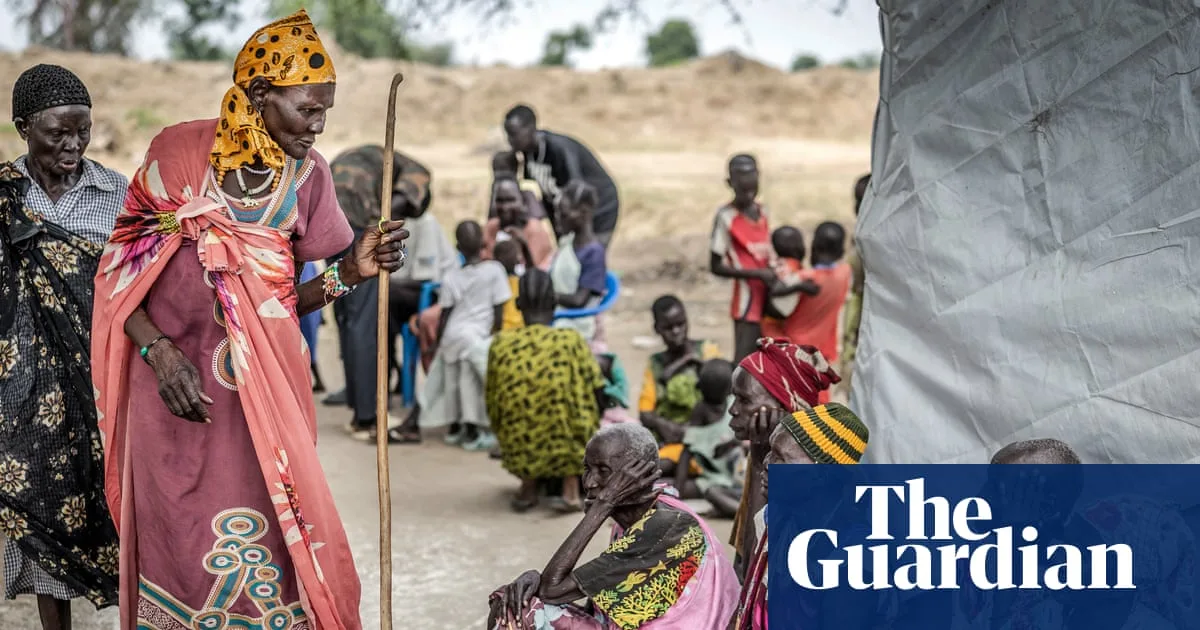
Fighting in Jonglei state, an opposition stronghold, has displaced an estimated 280,000 people over the past two months, exacerbating the country's already dire displacement crisis. The UN has expressed grave concerns, with the high commissioner for human rights, Volker Türk, warning that South Sudan is at a dangerous juncture, with rising violence and political uncertainty straining the fragile peace agreement.
Historical Context and Political Tensions Fuel Conflict
The roots of the current crisis trace back to South Sudan's independence in 2011, when President Salva Kiir and Riek Machar, both former members of the Sudanese People's Liberation Army, assumed leadership roles. The country descended into civil war in 2013 after Kiir fired Machar and accused him of plotting a coup, leading to ethnic-based violence between Kiir's Dinka community and Machar's Nuer group.
A peace deal signed in 2018 established a unity government and reinstated Machar as vice-president, but implementation has stalled due to persistent power-sharing disputes. Tensions escalated last September when Machar was charged with murder, treason, and other crimes related to a White Army attack on a government garrison, leading to his suspension and house arrest. His supporters argue the charges are politically motivated, and analysts, such as Daniel Akech of the International Crisis Group, note that targeting Machar has unified opposition groups, making him a symbolic figure even while detained.
As clashes continue and the peace agreement frays, the international community urges urgent action to prevent a devastating return to all-out civil war in South Sudan.