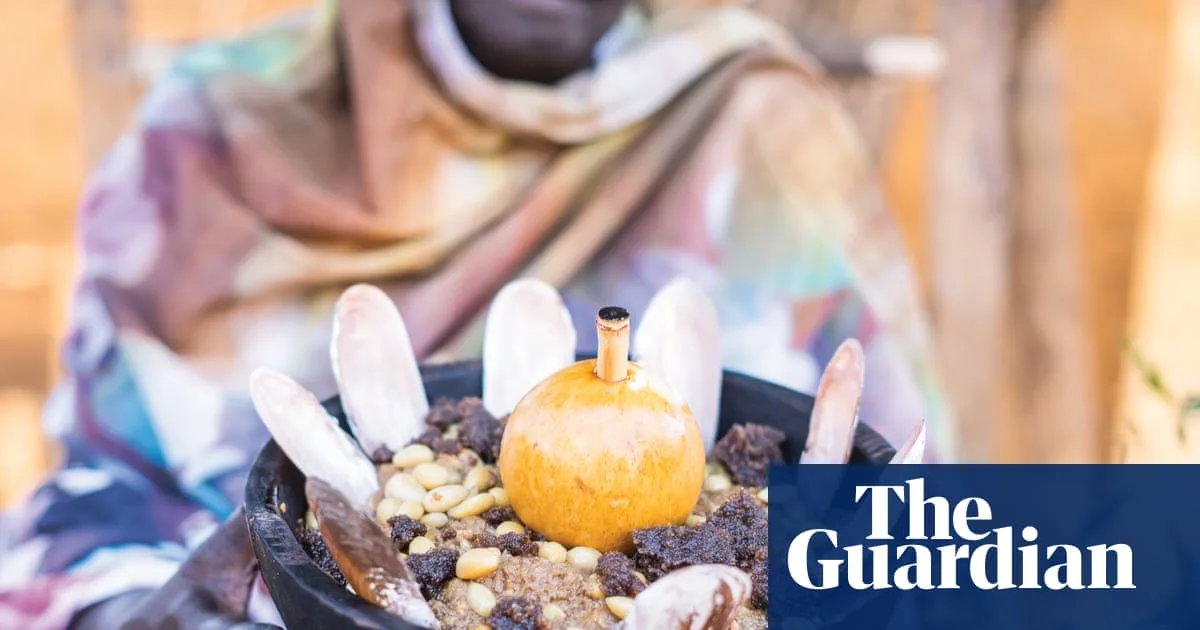
As the first week of Ramadan begins, a new cookbook, The Sudanese Kitchen by Omer Al Tijani, sheds light on Sudan's rich culinary traditions against a backdrop of nearly three years of war. The conflict has caused the largest displacement and hunger crisis in the world, adding a layer of poignancy to the month of fasting.
Al Tijani, who started documenting recipes while a student at the University of Manchester in the early 2010s, spent over 15 years travelling across Sudan to gather dishes. His work coincided with the revolution that overthrew president Omar al-Bashir, and he collected recipes during fuel cuts, protests and sit-ins, making the project deeply intertwined with the country's political story.
Sudanese cuisine, he discovered, is not uniform but spans a vast range of dishes mixing African and Arab influences. Because power was centred in Khartoum, much of the food remains unknown even to Sudanese people. The cookbook reveals surprising dishes, such as mushrooms cooked in 'chicken stew without bones', and staples like gurasa, a thick salty pancake.
The war has transformed how food is perceived. At the book's launch, many were emotional as it brought back memories of a peaceful Sudan. Food, Al Tijani said, is now 'not just dinner' but a symbol of loss and trauma. For refugees, seeing their culture reduced to a cocktail in Nairobi underscores the crisis.
During Ramadan, food takes on even greater significance. Al Tijani described the month as hyper-domestic and social, with streets filled with caramelised ingredients for juices and stews. Sudanese cuisine, heavy on long-stewed meats and hand-prepared crepes, is not street food but something to be enjoyed at home, making its absence in displacement even more profound.