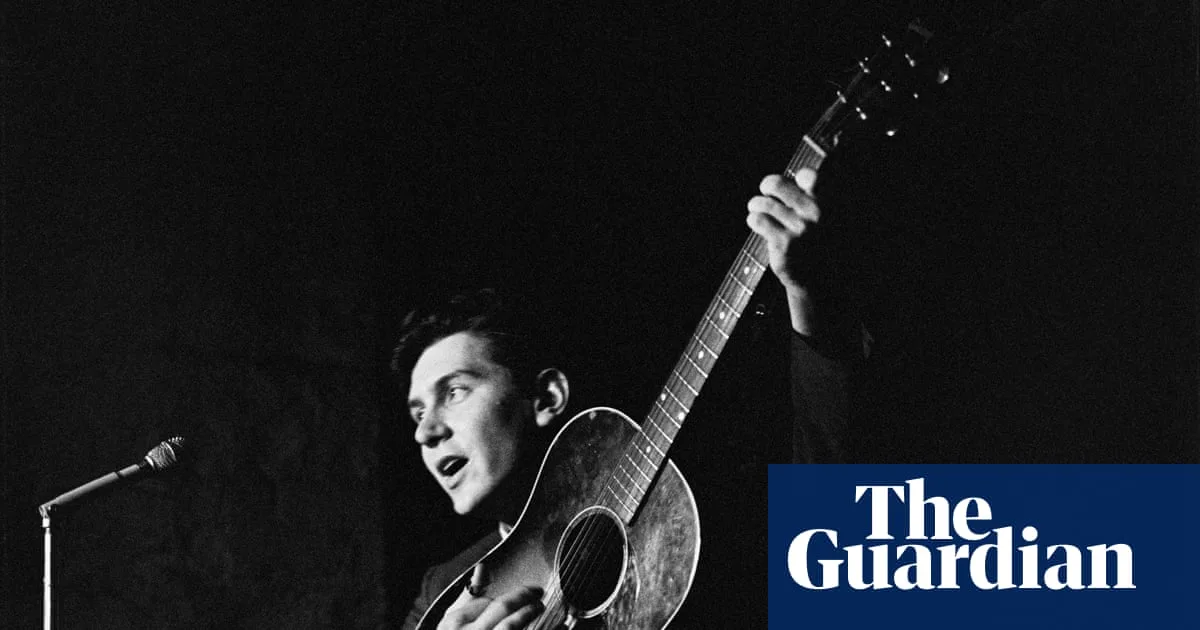
A letter from Mike Pender of Cardiff highlights the renewed relevance of Phil Ochs’s 1966 song Cops of the World, which satirised US imperialism and disregard for international law. Ochs died 50 years ago this year, but his sardonic critique, Pender argues, captures the current political climate even more acutely than when it was released.
Denis Jackson of Glasgow suggests that after Donald Trump’s actions against Venezuela and threats against Denmark and Greenland, the G7 might be reduced to a G6. The G8 became the G7 in 2014 after Russia’s annexation of Crimea, and Jackson implies that US behaviour under Trump could warrant its exclusion.
Tom Stubbs of Surbiton contrasts President Teddy Roosevelt’s 1901 advice to “speak softly and carry a big stick” with Donald Trump’s approach, which he describes as using a loudspeaker to bludgeon weaker nations.
John Richardson of South Cave, East Yorkshire, remarks that the West’s seriousness about change in Venezuela would be demonstrated when the Tony Blair Institute puts “loafers on the ground”. Martyn Thomas of Tunbridge Wells asks whether British courts would support the citizen’s arrest of a rogue state’s head. Antony Dowd of Nottingham suggests Gianni Infantino should demand the return of the Fifa peace prize. Finally, Sue Yeo of Chorley quotes Edmund Burke: “All it takes for evil to triumph is for good men to do nothing.”