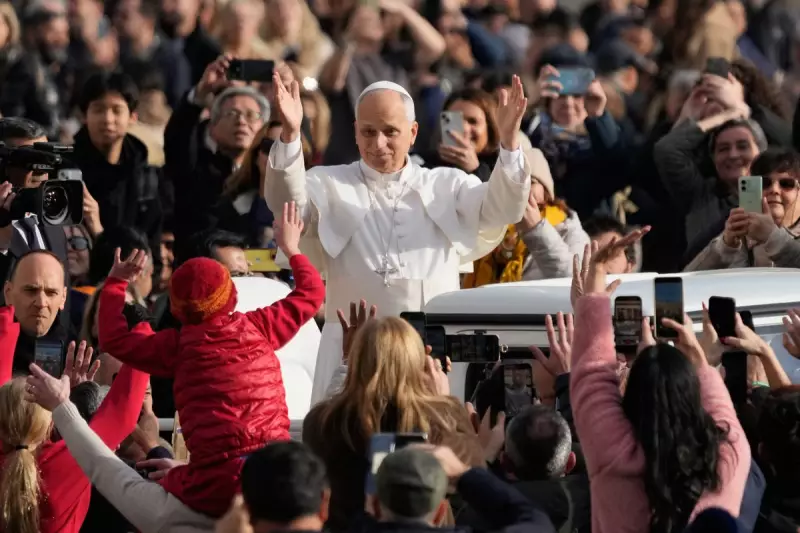
In a significant move for the Catholic Church, Pope Leo XIV has called the world's cardinals to the Vatican for a major two-day gathering early in the new year. The announcement, made by the Holy See on Saturday, 20th December 2025, signals a pivotal shift towards the new pontiff's independent governance.
A New Chapter for the Papacy
The meeting, known as a consistory, is scheduled for 7th to 8th January 2026. It will commence immediately after the conclusion of the 2025 Holy Year, a special quarter-century celebration of Christianity that ends on 6th January. This timing is highly symbolic, representing a clear transition from the obligations of the Jubilee year and the legacy of his predecessor, Pope Francis, to the dawn of Pope Leo's own leadership.
Since his historic election on 8th May 2025 as the first American pope, Leo XIV's initial months have been largely occupied with Holy Year duties. These included weekly meetings with pilgrimage groups and celebrating special Jubilee audiences and Masses, alongside finalising outstanding matters from the previous pontificate. The January consistory, therefore, is widely seen as the moment he can truly begin to look forward and shape his own agenda for the global church.

Return to a Traditional Model of Governance
This gathering marks a notable departure from the recent past. Pope Francis had largely moved away from using consistories as a core governance tool, preferring instead to rely on a small group of eight or nine hand-picked cardinal advisers for counsel and key decision-making.
The Vatican's statement clarified that Pope Leo's first consistory "will be oriented toward fostering common discernment and offering support and advice to the Holy Father in the exercise of his high and grave responsibility in the government of the universal Church." This indicates a deliberate return to a more collaborative and traditional form of papal consultation with the broader College of Cardinals.
A Purely Consultative Meeting
It has been confirmed that this particular assembly will be purely consultative. While consistories can also be held for the formal installation of new cardinals, no such elevations are planned for this January meeting. The focus will remain squarely on discussion, discernment, and planning for the future direction of the Church under its new leader.
For observers and the faithful alike, this summons is the clearest indication yet that the new year will herald the unofficial, but very real, beginning of the Leo XIV pontificate, setting the stage for his unique pastoral and administrative vision to unfold.