A devastating humanitarian catastrophe is unfolding in Afghanistan this winter, as severe cuts to international aid sever a critical lifeline for millions of civilians. An estimated 22.9 million people – nearly half the country's population – required assistance in 2025, but funding shortfalls are leaving families exposed to starvation and extreme hardship.
A Lifeline Severed: The Impact of Drastic Aid Reductions
The crisis has been dramatically worsened by significant reductions in international support. Key programmes, including U.S. aid to United Nations' World Food Program (WFP) food distributions, have been halted. The WFP warned last week that more than 17 million people now face crisis levels of hunger during the winter months – an increase of 3 million from the previous year.
Tom Fletcher, the UN humanitarian chief, addressed the Security Council in mid-December, stating that this winter marked "the first in years with almost no international food distribution." He revealed a stark comparison: only about 1 million of the most vulnerable received food aid during the 2025 lean season, compared to 5.6 million the year before.

Fletcher explained that while nearly 22 million Afghans will need UN assistance in 2026, the organisation, due to reduced donor contributions, will only be able to focus on 3.9 million facing the most urgent, life-threatening needs. The cuts have forced UN agencies to slash thousands of jobs and reduce spending across the board.
Personal Tragedies Amidst Systemic Collapse
The statistics translate into daily suffering for individuals like Rahimullah, a 29-year-old former soldier. After being deported from Pakistan, he initially received cash and food aid. "The assistance was helping me a lot," he said. Now, earning just $4.5 to $6 a day selling socks in Kabul, he cannot cope. "I don't have enough money to live on... if I were to face a serious illness... it would be very difficult," he explained. His rent has nearly doubled, forcing his family of five to move with nowhere to go.
His wife, once a teacher, is now barred from working under the Taliban's restrictions on women, stripping the household of a vital income. "Now the situation is such that even if we find money for flour, we don't have it for oil," Rahimullah lamented.
In Badakhshan province, Sherin Gul's story is equally dire. Her family of twelve once received life-saving supplies of flour, oil, and rice. That aid lasted six months; now there is nothing. With her husband too weak to work and ten children to feed, the burden falls on one 23-year-old son who finds only occasional work. "We are in great trouble," she said. "There have been times when we have nothing to eat at night, and my little children have fallen asleep without food. I have only given them green tea and they have fallen asleep crying." The winter cold halts the construction work her son relies on, while the cost of firewood adds another unbearable expense.
Compounding Shocks: Refugees, Earthquakes, and a Broken Economy
The aid crisis intersects with multiple other shocks. Afghanistan's economy remains crippled, and the country has been battered by recurrent droughts and two deadly earthquakes. Furthermore, the mass return of refugees has placed immense strain on resources.
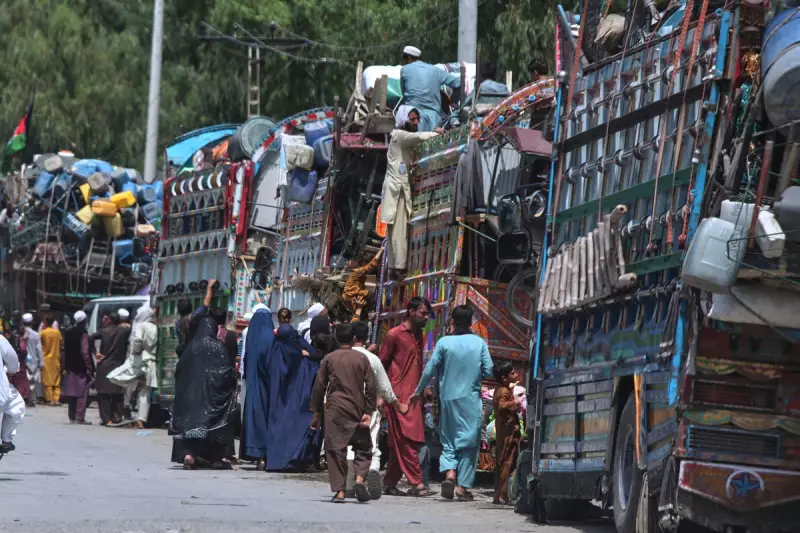
According to the Ministry of Refugees and Repatriation Affairs, 7.1 million Afghan refugees have returned over the last four years. This influx has sent rents soaring and intensified competition for scarce food and housing. UN official Fletcher cited these "overlapping shocks" and increasing restrictions on humanitarian access as key factors compounding the emergency.
For millions like Rahimullah and Sherin Gul, the future is bleak. Without a rapid reversal in international aid, the warnings from humanitarian chiefs suggest the winter's misery is only the beginning of a deeper, more desperate crisis. As Gul fears, "If this situation continues like this, we may face severe hunger. And then it will be very difficult for us to survive in this cold weather."