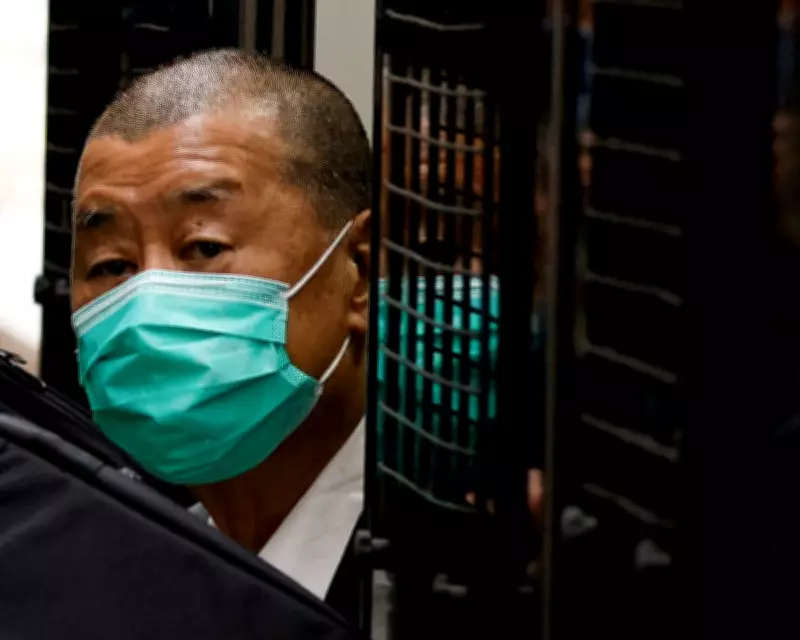
In a significant development, Hong Kong media tycoon Jimmy Lai has opted not to appeal his recent conviction, a move that could pave the way for political negotiations regarding his potential release. This decision comes amid intense international attention and ongoing debates over judicial independence in the region.
Background of the Case
Jimmy Lai, a prominent figure in Hong Kong's media landscape, was convicted on charges related to his pro-democracy activities. The case has drawn widespread criticism from human rights groups and foreign governments, who argue that it represents a crackdown on dissent. Lai's legal team had initially considered an appeal but has now confirmed that no further legal challenges will be pursued.
Implications for Political Dialogue
By forgoing an appeal, Lai's case shifts from the judicial arena to the political sphere. This could open doors for behind-the-scenes talks between Hong Kong authorities and international stakeholders, potentially leading to his release as part of broader diplomatic efforts. Observers note that such negotiations might involve concessions or agreements aimed at easing tensions.

International Reactions
The decision has sparked mixed reactions globally. Some Western nations have called for Lai's immediate release, viewing his conviction as politically motivated. In contrast, Chinese officials have defended the judicial process, emphasizing Hong Kong's rule of law. This divergence highlights the ongoing geopolitical friction surrounding Hong Kong's autonomy.
Future Prospects
With the appeal off the table, focus now turns to whether political negotiations will materialize. Analysts suggest that any talks would likely be complex, involving multiple parties and sensitive issues. The outcome could set a precedent for how similar cases are handled in the future, impacting Hong Kong's political landscape.
In summary, Jimmy Lai's choice not to appeal marks a pivotal moment, potentially enabling political discussions that could lead to his freedom while underscoring the intricate balance between law and politics in Hong Kong.