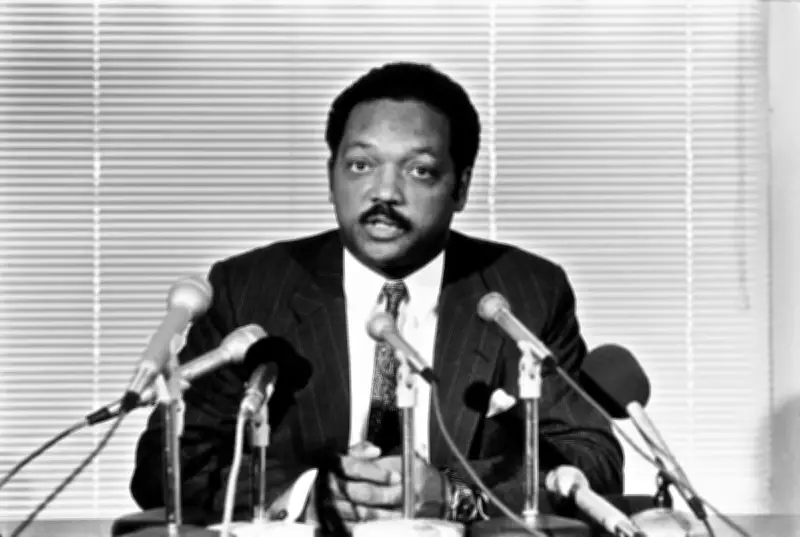
The Enduring Legacy of Jesse Jackson in American Politics
Civil rights leader Jesse Jackson has carved a profound and lasting legacy in American history, serving as a pivotal bridge between the era of Martin Luther King Jr. and the groundbreaking presidency of Barack Obama. His decades of activism and political engagement have left an indelible mark on the nation's social and political landscape.
From King's Movement to National Prominence
Jesse Jackson first rose to prominence as a key figure in the civil rights movement, working closely with Martin Luther King Jr. in the 1960s. He played instrumental roles in major campaigns, including the Selma to Montgomery marches and efforts for voting rights and economic justice. After King's assassination in 1968, Jackson emerged as a leading voice for African American empowerment, founding Operation PUSH (People United to Save Humanity) to advocate for social and economic equality.
Throughout the 1970s and 1980s, Jackson expanded his influence through grassroots organizing and national advocacy. He launched historic presidential campaigns in 1984 and 1988, becoming the first African American to mount a serious bid for the Democratic nomination. These campaigns mobilized millions of voters, particularly in minority communities, and pushed issues like racial justice, poverty alleviation, and international diplomacy to the forefront of American politics.

Paving the Way for Obama's Presidency
Jackson's trailblazing efforts laid crucial groundwork for Barack Obama's historic election in 2008. By demonstrating that an African American candidate could attract broad-based support and compete at the highest levels of politics, Jackson helped normalize the idea of black leadership in the White House. His advocacy for voter registration and political engagement in communities of color contributed to the coalition that propelled Obama to victory.
Moreover, Jackson's focus on coalition-building and his ability to bridge divides between various progressive groups influenced the political strategies that Obama later employed. While Jackson and Obama had their differences, particularly on policy approaches, Jackson's legacy as a pioneer in presidential politics remains an essential chapter in the story of Obama's rise.
Lasting Impact and Contemporary Relevance
Today, Jesse Jackson's legacy continues to resonate in ongoing struggles for racial equality and social justice. His work has inspired subsequent generations of activists and politicians to challenge systemic inequities and advocate for marginalized communities. Organizations he founded, like the Rainbow PUSH Coalition, remain active in promoting civil rights, economic fairness, and political representation.
Jackson's journey from the streets of the civil rights movement to the national political stage exemplifies the enduring power of grassroots activism. His ability to connect the moral vision of Martin Luther King Jr. with the pragmatic politics of Barack Obama underscores his unique role as a transformative figure in American history. As the nation continues to grapple with issues of race and democracy, Jackson's legacy serves as both a reminder of progress made and a call to action for future challenges.