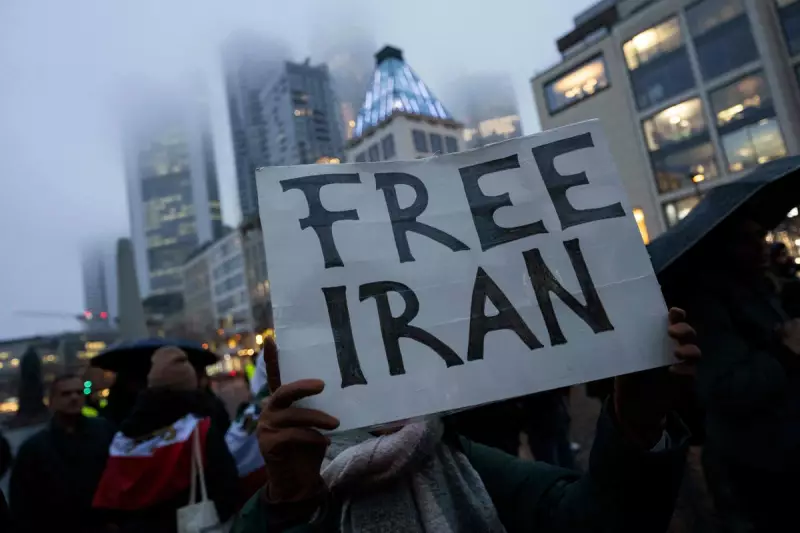
Iran stands at a perilous crossroads. For two weeks, massive nationwide protests fuelled by anger over a spiralling economy and decades of authoritarian rule have rocked major cities. Demonstrators have chanted for regime change and, in some quarters, even called for a return to the monarchy toppled in the 1979 revolution.
The Iranian government, still reeling from a devastating 12-day war with Israeli and US forces last year, has responded with a brutal crackdown. An official told Reuters that as many as 2,000 people could have been killed and more than 10,000 arrested, amid a nationwide communications blackout.
Former US President Donald Trump has amplified the crisis, threatening military action and announcing sweeping new sanctions. He has urged protesters to "take over institutions," promising "help is on its way." The regime, meanwhile, insists it remains in control and has vowed to retaliate against Israeli and US targets if attacked. For the first time, experts are calling this the gravest existential threat to Iran's clerical rulers in decades.

Scenario One: A Bloodier Crackdown and Stagnation
The most immediate and grim possibility is that the current wave of dissent is crushed through escalating state violence. Eyewitness accounts describe security forces opening fire on rallies, and shocking footage has emerged of hundreds of bodies in a Tehran forensic facility.
Despite a profound legitimacy crisis, the regime retains a monopoly on arms and organised violence through the Islamic Revolutionary Guard Corps (IRGC). With no significant rebel army positioned to challenge the state, as seen in Syria or Libya, the fear is that protests could fizzle out under the weight of arrests, torture, and killings, leaving the authoritarian structure intact.
Scenario Two: US Intervention and Unpredictable Fallout
Donald Trump's renewed threats of military strikes introduce a highly volatile variable. Following last year's joint bombing campaign with Israel, which destroyed swathes of Iranian military and nuclear infrastructure, Trump has now ordered US citizens to leave Iran and imposed 25 per cent tariffs on countries trading with Tehran.
The critical question is whether external military action would assist protesters or backfire. A performative strike could harden the regime's position and allow it to brand demonstrators as foreign agents. Even a successful strike removing the supreme leader would not guarantee collapse; Iran's constitution has an emergency succession plan, and the IRGC could formally take power. Trump's foreign policy record suggests a reluctance to commit to the prolonged, large-scale occupation that full regime change would likely require.
Scenario Three: Cosmetic Reforms and Negotiated Survival
Another path sees the regime pursuing superficial adjustments to retain power. This could involve limited economic reforms, a rhetorical shift towards nationalism, and, crucially, direct negotiations with the US to avert further strikes and sanctions.
Such a strategy would fall far short of protesters' demands for total overthrow but might succeed in suppressing mobilisation through a combination of fear, arrests, and the shattered hope of external support. If Trump were seen negotiating with Tehran's leadership, the protest movement could lose vital momentum.
Scenario Four: The Exiled Prince and a Democratic Transition
The most unlikely, yet discussed, scenario involves the return of Reza Pahlavi, the exiled crown prince who has lived in the US since 1979. Some protesters have chanted "Long live the Shah," and Pahlavi has stated he is preparing to return, outlining a 100-day transition plan towards democracy.
He proposes a constitutional conference to devise a new settlement, ratified by referendum, and insists his role is to steward a democratic future, not necessarily restore the monarchy. However, this vision faces immense hurdles. Iran's diverse ethnic minorities, who make up nearly half the population, seek greater autonomy and oppose a Pahlavi return. The scale of external intervention needed to install him or create a federal system would be enormous, and his popular support among 90 million Iranians remains unclear.

As Iran's streets simmer and the world watches, the nation's future hangs in a precarious balance between revolutionary change, violent repression, and unpredictable foreign intervention.