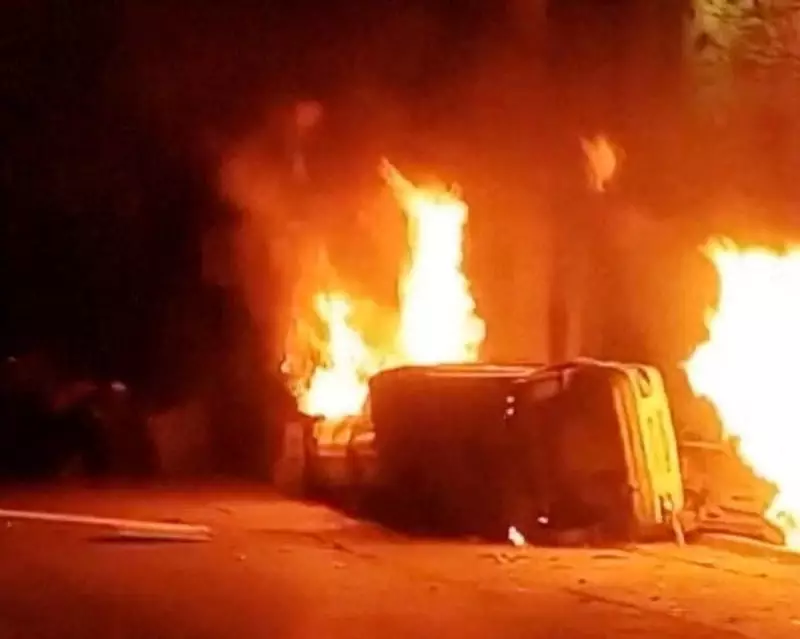
A dramatic plunge in the value of Iran's currency has sparked the nation's most significant wave of civil unrest in years, with protests spreading from the capital Tehran to approximately 32 cities across the country. The demonstrations, which began with merchants shutting their shops, have escalated into broader anti-government rallies, resulting in violent clashes and at least 10 reported fatalities.
From Economic Grievance to Political Revolt
What started as a response to severe economic hardship has rapidly evolved. Protesters are now openly chanting slogans such as "death to the dictator"—a direct challenge to Supreme Leader Ali Khamenei—and reviving the "woman, life, freedom" mantra from the 2022 protests triggered by Mahsa Amini's death. The trigger was a sudden, sharp devaluation of the Iranian rial, which has lost over 50% of its value in just six months and more than 200% in three years.
This financial collapse has decimated purchasing power, with food prices soaring by an average of 50% since last year. For many young Iranians, patience has run out. "They execute, and arrest us anyway," said 19-year-old Tehran student Mehnaz, using a pseudonym. "So people now think, if they continue to kill us when we are not even on the streets in protest, why are we waiting for the right moment?"

A Regime Under Pressure at Home and Abroad
The protests arrive at a precarious time for the Iranian government, still reeling from a 12-day war with Israel in June that killed over 1,000 Iranians and damaged the regime's image of invincibility. This sense of vulnerability has convinced some protesters that the time to act is now. "We know we must hit them when they are weakest, which is now," Mehnaz added.
Authorities have responded with a mix of rhetoric and force. While reformist President Masoud Pezeshkian spoke of listening to "legitimate demands," human rights groups allege security forces have used deadly violence. The New York-based Center for Human Rights in Iran states eight protesters were killed by state forces, with at least 119 arrests reported. Students like Reza, 20, describe brutal raids on dormitories by plainclothes officers and the Basij paramilitary force.
International Reactions and an Uncertain Future
The unrest has drawn sharp international attention, particularly from former US President Donald Trump, who twice threatened intervention, warning the US was "locked and loaded" if Iran killed protesters. Iranian officials have seized on these comments to allege foreign backing for the demonstrations.
However, the current movement differs from the 2022 uprising. It is smaller, lacks a unifying figure like Mahsa Amini, and its demands are more economically diffuse. Yet, a determined core of protesters insists they have learned from the past. "The only way to get freedom is to continue protesting consistently and strategically," said Moein, a 28-year-old from Lorestan. With a new government tax looming in March and the economy in freefall, the streets of Iran remain a volatile battleground for the nation's future.