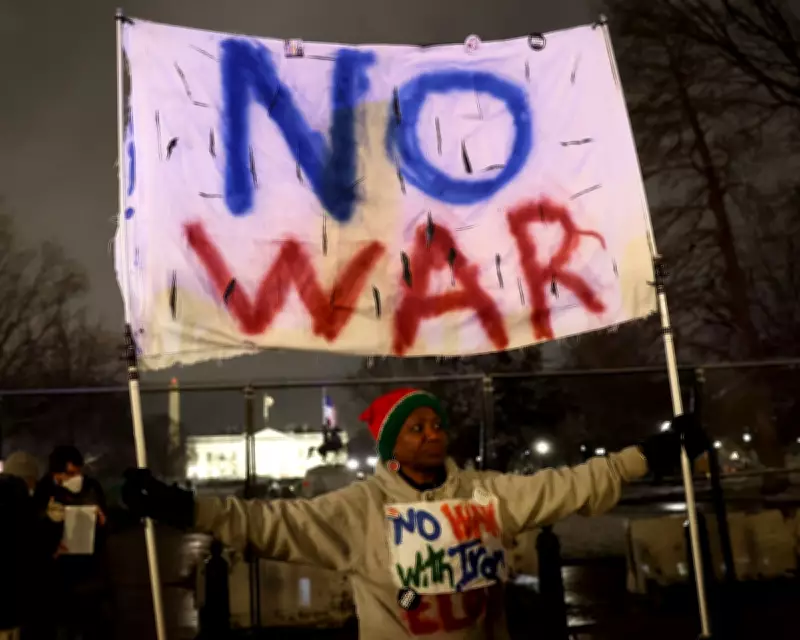
The ongoing crisis involving Iran has intensified, expanding in scope and complexity without a discernible strategic aim or a foreseeable conclusion. This situation, as highlighted in recent analyses, underscores a deepening global concern over the potential for prolonged instability in the Middle East and beyond.
Escalating Tensions and Lack of Direction
Recent developments have seen the Iran crisis evolve into a multifaceted conflict, with diplomatic efforts faltering and military posturing increasing. The absence of a clear objective from key international actors has left the situation in a state of flux, with no end in sight. This lack of direction exacerbates risks of miscalculation and unintended escalation.
Global Implications and Regional Instability
The expanding crisis threatens to destabilise not only the Middle East but also global markets and security frameworks. Nations worldwide are grappling with the repercussions, from economic sanctions to refugee flows, highlighting the interconnected nature of modern geopolitics. The failure to establish a coherent strategy has allowed the crisis to fester, with humanitarian and political costs mounting.

Diplomatic Failures and Future Prospects
Diplomatic initiatives aimed at de-escalation have largely stalled, hampered by conflicting interests and a lack of consensus among major powers. This impasse suggests that without a renewed commitment to dialogue and compromise, the crisis may continue to expand, posing long-term challenges to international peace and security. The need for a coordinated, multilateral approach is more urgent than ever.
In summary, the Iran crisis represents a critical test for global diplomacy, with its expansion reflecting broader failures in conflict resolution. As tensions persist without a clear aim or end, the world watches with apprehension, hoping for a breakthrough that remains elusive.