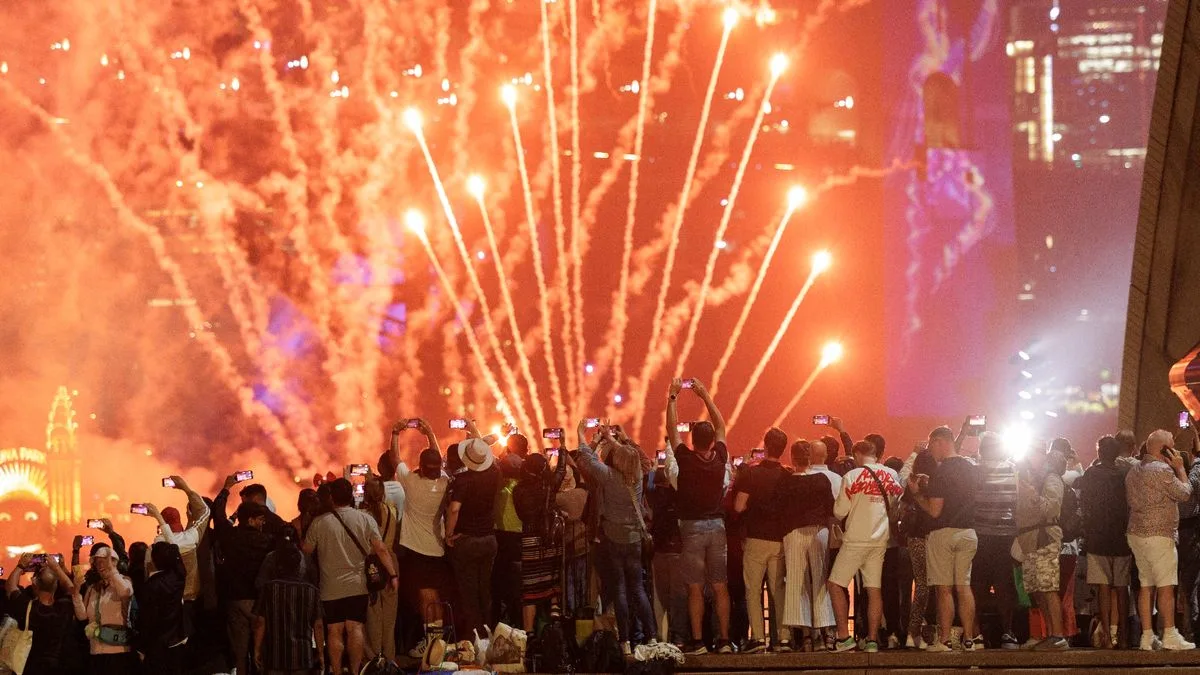
New Year's Eve celebrations around the world have been scrapped due to major concerns from local authorities and governments. The moves have seen the plans of tens of thousands thwarted, with fireworks, parties and other live events cancelled in the run-up to December 31.
In Los Angeles, a planned bombing attack was uncovered by the FBI, leading to the arrest of four people during a rehearsal. First Assistant U.S. Attorney Bill Essayli revealed surveillance footage from a drone showed suspects trying to assemble a bomb. The four alleged suspects were named as Audrey Illeene Carroll, 30; Zachary Aaron Page, 32; Dante Gaffield, 24; and Tina Lai, 41, all from the Los Angeles area. Despite the threat, official New Year's Eve events in Los Angeles are set to go ahead as planned.
In Australia, the devastating shooting at Bondi Beach, in which 15 people were killed and 40 injured, has led to the cancellation of the popular New Year's fireworks display on the beach. Organisers at Waverley Council said the decision was made out of 'compassion and care for Sydney's Jewish community'. New South Wales Premier Chris Minns said the ongoing threat of antisemitism meant Jews were not completely safe. Sydney itself will continue to have fireworks over the Opera House, with a moment's silence to honour the dead at Bondi.
In Russia, traditional official fireworks displays are being scrapped across the country, mobile internet disruptions are being trialled 'for security', and alcohol sales are being restricted. Red Square will be closed, guarded by police. Russian state media reported that authorities in at least 64 of Russia's 89 regions announced they will not hold New Year fireworks in major cities. The curbs are ostensibly due to the war in Ukraine, but appear to have gone to an extreme level at New Year, the most important festivity in the Russian calendar.