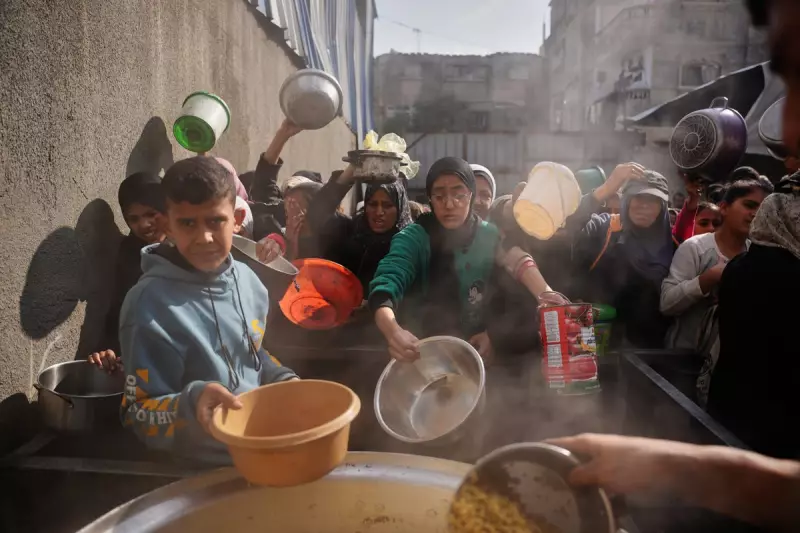
The immediate spread of famine across the Gaza Strip has been prevented, according to the world's leading authority on food crises. However, experts issued a stark warning on Friday, 19 December 2025, that the entire territory remains in a critical situation, with thousands still facing starvation.
IPC Report: A Fragile Improvement
The latest analysis from The Integrated Food Security Phase Classification (IPC) indicates "notable improvements" in food security and nutrition following an October ceasefire. This marks a shift from the group's assessment months prior, which warned famine was occurring in Gaza City and was likely to spread. The new report confirms no famine is currently detected.
Despite this, the IPC stressed the gains are "highly fragile." The entire population of Gaza remains in danger of starvation, with nearly 2,000 people projected to face catastrophic levels of hunger through April 2026. The report cautioned that in a worst-case scenario involving renewed conflict and a halt to aid, the whole strip would be at risk of famine.

Disputed Findings and Ongoing Crisis
The Israeli military agency coordinating aid, COGAT, and the Israeli Foreign Ministry both strongly rejected the IPC's findings on Friday. COGAT stated it adheres to the ceasefire and allows agreed aid quantities that "significantly exceed the nutritional requirements" of Gaza's population. The Foreign Ministry claimed the report does not reflect reality.
This contradicts data from aid groups and figures suggesting Israel has not met the ceasefire stipulation of allowing 600 aid trucks into Gaza daily, a point Israel disputes. Antoine Renard of the World Food Programme noted from Gaza City that while food access has "significantly improved" to about two meals daily from one in July, the greatest challenge now is adequate shelter for displaced Palestinians facing winter conditions.
Underlying Drivers and Future Risks
The IPC identified mass displacement as a key driver of food insecurity, with over 70% of Gazans living in makeshift shelters and relying on assistance. Poor hygiene, sanitation, and restricted food access continue to exacerbate the crisis. While humanitarian access has improved, it remains limited, uneven, and fluctuates daily.
The report's experts warned that over the next year, more than 100,000 children under five are expected to suffer from acute malnutrition and require treatment. They emphasised that sustained, expanded, and unhindered aid encompassing food, fuel, shelter, and healthcare is urgently needed to prevent further loss of life.
Oxfam's Bushra Khalidi underscored that the crisis transcends statistics, stating: "This is not a debate about truck numbers or calories on paper, it’s about whether people can actually access food, clean water, shelter and health care safely and consistently. Right now, they cannot."