Betty Reid Soskin, Oldest US Park Ranger, Dies at 104
Betty Reid Soskin, oldest US park ranger, dies at 104

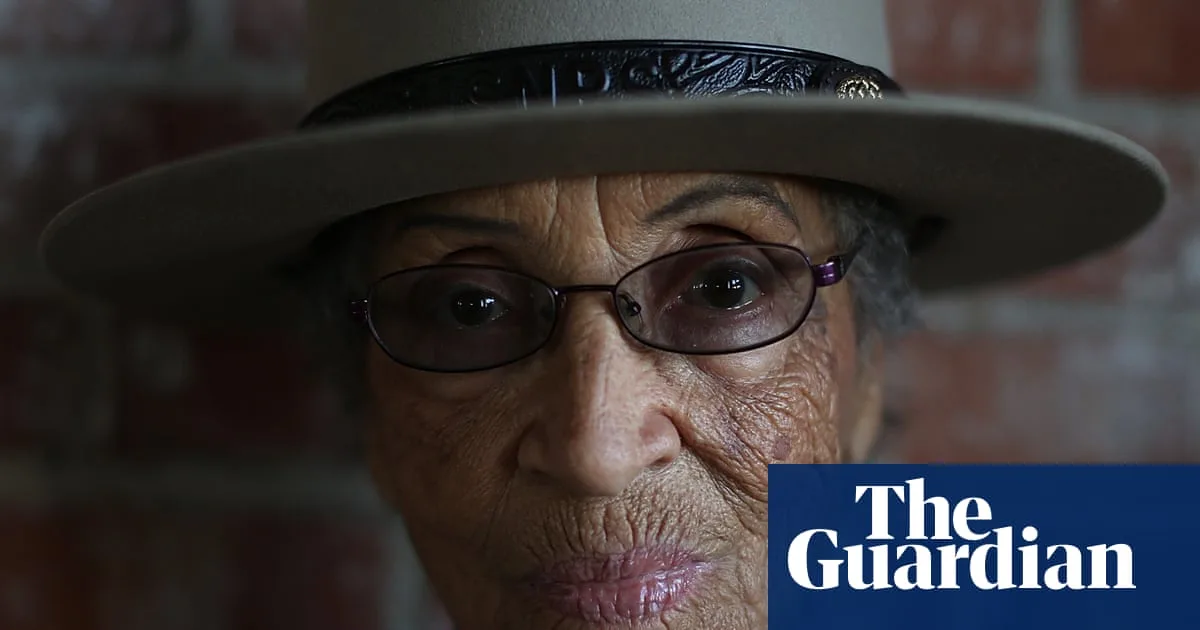
The United States has lost a living monument to its history with the passing of Betty Reid Soskin, the oldest active ranger in the National Park Service. She died on Monday, December 22, 2025, at her home in Richmond, California, at the age of 104.

A Life of Service and Storytelling

Betty Reid Soskin's journey to becoming a beloved park ranger was as unique as the stories she shared. She began her second career with the National Park Service at the remarkable age of 85, serving as an interpretive park ranger at the Rosie the Riveter/WWII Home Front National Historical Park in Richmond.

Her role was far more than ceremonial. Soskin provided visitors with a powerful, personal perspective on the American home front during the Second World War, one that often contrasted with the park's dominant narrative. While the iconic "Rosie" symbolised female empowerment through industrial work, Soskin recounted the complex realities of being a Black woman in a segregated America.

She famously stated that she "shares stories from my perspective on the home front" during the war, a time when the nation was fighting for freedom abroad while denying full citizenship to many of its own people at home. Her talks were not just history lessons; they were raw, firsthand accounts of discrimination, resilience, and the slow march toward civil rights.

From Activist to National Icon

Long before donning the park ranger's flat hat, Betty Reid Soskin led a life of activism and creativity. In the 1940s, she worked as a clerk in a segregated union hall, Boilermakers A-36, where she witnessed the racial divisions within the wartime labour force firsthand.

In the following decades, she and her husband, Mel Reid, founded one of the first Black-owned music stores, Reid's Records, in Berkeley. The shop became a community hub and operated for an impressive 75 years before closing in 2019. Soskin was also a gifted songwriter and a vocal civil rights activist, participating in protests and using her voice to challenge injustice.

Her work with the park service began indirectly. She initially collaborated with planners developing the Rosie the Riveter park, ensuring the experiences of Black women were included in the historical interpretation. This involvement naturally evolved into her becoming a ranger herself, a position where she could directly shape the narrative for thousands of annual visitors.

Her impact was recognised at the highest levels, including a 2015 invitation to the White House to introduce President Barack Obama at the national tree-lighting ceremony. She also received numerous awards and saw a middle school in El Sobrante, California, named in her honour.

A Legacy of Truth and Resilience

The news of Soskin's death was confirmed by the National Park Service and her family, who noted she died peacefully. Tributes have poured in from across the country, honouring her as a trailblazer and a truth-teller.

Her passing marks the end of a direct, personal link to a pivotal era in American history. Soskin did not just recite dates and facts; she conveyed the emotional and social texture of the time, challenging visitors to think critically about the stories a nation tells about itself. She transformed the role of a park ranger from a guide into a vital witness.

At 104, she was not only the oldest active ranger but also a symbol of lifelong learning and service. Her career reminds us that history is multifaceted and that the most powerful narratives often come from those whose voices were once marginalised. The Rosie the Riveter park, and the broader understanding of American history, is profoundly richer for her contributions.

Betty Reid Soskin's life stands as a testament to the power of perseverance, the importance of inclusive storytelling, and the enduring impact one individual can have on a nation's memory. Her stories, and her indomitable spirit, will continue to educate and inspire for generations to come.