Bangladesh Election: Islamist Party's Rise Threatens Women's Freedoms
Bangladesh Election: Islamist Party Threatens Women's Freedoms

Bangladesh Election Results Spark Fears Over Women's Freedoms

The outcome of the recent Bangladesh election has sent shockwaves through the nation and the international community, as an Islamist party secured a substantial increase in political power. This development has raised immediate and profound concerns about the potential erosion of women's rights and freedoms, which have been a cornerstone of Bangladesh's social progress in recent decades.

Islamist Party's Electoral Gains

In the election held earlier this month, the Islamist party, known for its conservative religious agenda, achieved a significant electoral breakthrough. The party's representation in the national parliament surged, granting it unprecedented influence over legislative and policy decisions. This shift marks a dramatic change in Bangladesh's political landscape, which has traditionally been dominated by secular parties advocating for progressive social reforms.

Analysts attribute the party's success to a combination of factors, including effective grassroots campaigning, disillusionment with mainstream political alternatives, and a growing appeal among certain demographic segments. The election results have been met with mixed reactions, with supporters celebrating a victory for religious values, while critics warn of dire consequences for human rights.

Threats to Women's Rights and Liberties

The rise of the Islamist party has ignited fears over the future of women's freedoms in Bangladesh. Over the past years, the country has made notable strides in advancing gender equality, with initiatives aimed at improving women's education, economic participation, and legal protections. However, the party's platform includes proposals that could reverse these gains, such as advocating for stricter interpretations of religious law that may restrict women's public roles and personal liberties.

Specific concerns highlighted by human rights organizations include potential limitations on women's access to education and employment, increased pressure to adhere to conservative dress codes, and possible rollbacks of legal safeguards against gender-based violence. Activists point to historical precedents in other regions where similar political shifts have led to significant setbacks for women's rights, underscoring the urgency of the situation.

International and Domestic Reactions

The international community has expressed apprehension over the election results, with several governments and global organizations calling for a commitment to uphold human rights and democratic principles. Diplomatic statements have emphasized the importance of protecting the freedoms of all citizens, particularly women, who are often the most vulnerable to political and social changes.

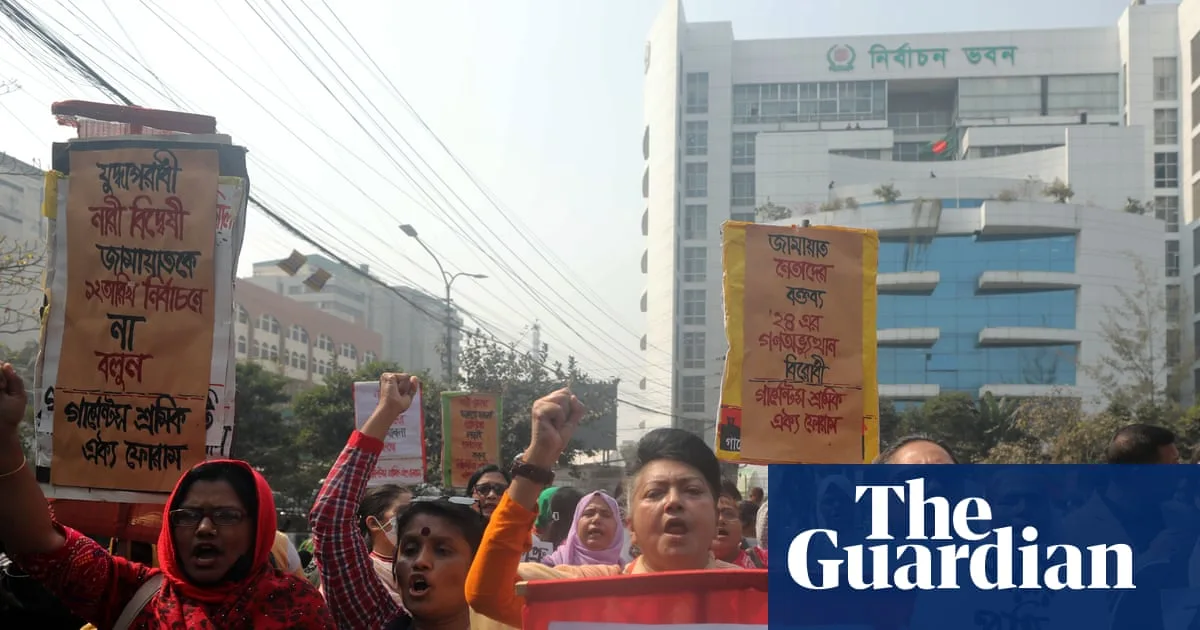
Domestically, the response has been polarized. Secular groups and women's rights advocates have organized protests and awareness campaigns, urging the government to resist any moves that could undermine gender equality. Conversely, supporters of the Islamist party argue that their agenda reflects the will of a significant portion of the population and promises a return to traditional values. This division has heightened tensions within Bangladeshi society, with debates intensifying over the balance between religious identity and individual freedoms.

Future Implications and Monitoring

Looking ahead, the increased influence of the Islamist party is expected to shape Bangladesh's policy direction in the coming years. Observers will be closely monitoring legislative proposals and government actions to assess their impact on women's rights. Key areas to watch include changes to family law, education policies, and measures affecting women's participation in public life.

Experts warn that the situation could have broader implications for regional stability and international relations, especially if it leads to internal conflict or a decline in human rights standards. The outcome of this election serves as a critical test for Bangladesh's democratic institutions and their ability to safeguard the rights of all citizens amidst shifting political tides.

In conclusion, the Bangladesh election has ushered in a new era of uncertainty for women's freedoms, with the rise of an Islamist party posing significant challenges to the country's progress on gender equality. The coming months will be pivotal in determining whether Bangladesh can navigate these changes while upholding the hard-won rights of its female population.