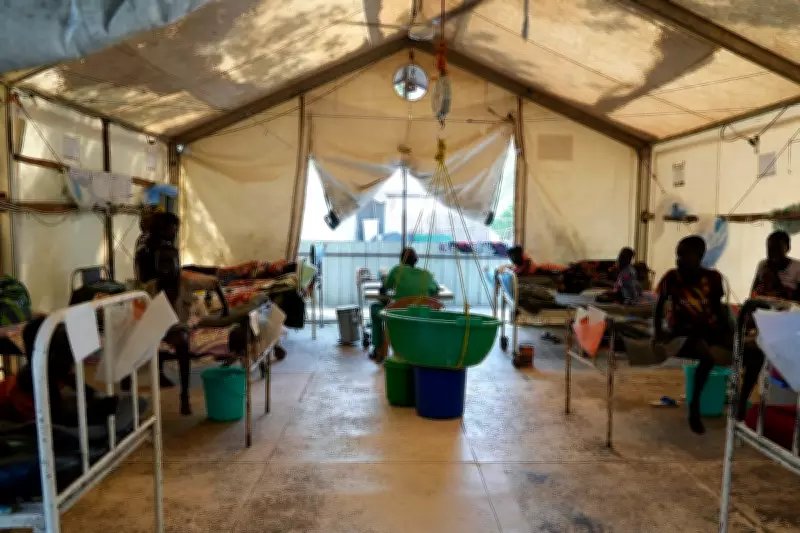
Doctors Without Borders (MSF) has confirmed that 26 of its 291 staff members remain missing a full month after two of its medical facilities in South Sudan's Jonglei State were attacked on 3 February. The humanitarian organisation is urgently calling for aid access and the protection of medical workers, highlighting a disturbing trend of violence against humanitarian infrastructure in the region.
Details of the Attacks and Missing Personnel
The incidents involved a hospital in Lankien being bombed by government forces and another medical facility in Pieri raided by unknown assailants. Both facilities are located in opposition-held areas northeast of the capital, Juba. In the aftermath of the attacks, MSF staff, along with much of the local population, fled into deeply rural areas where armed clashes and aerial bombardments were ongoing.
Communication Challenges and Escalating Violence
Limited network connectivity in these remote regions has severely hindered communication efforts with the missing personnel, complicating rescue and verification operations. The violence in Jonglei State has displaced an estimated 280,000 people since December, with the situation escalating sharply after opposition forces captured government outposts, prompting a fierce government counteroffensive.

A Pattern of Attacks on Humanitarian Workers
MSF has stated that these attacks are part of an increasing trend of violence against humanitarian staff and infrastructure. The organisation noted that its facilities have been targeted 10 times in the last 12 months alone. The head of mission for MSF in South Sudan emphasised that medical workers must never be targets, underscoring the critical need for safe access to provide life-saving care in conflict zones.
Broader Humanitarian Crisis in South Sudan
The ongoing conflict in Jonglei State has created a severe humanitarian crisis, with thousands of civilians lacking access to essential medical services, food, and shelter. MSF's efforts to deliver aid are being hampered by the persistent insecurity, which threatens not only their staff but also the vulnerable populations they serve. The international community is being urged to intervene to ensure the safety of humanitarian operations and support peace initiatives in the region.