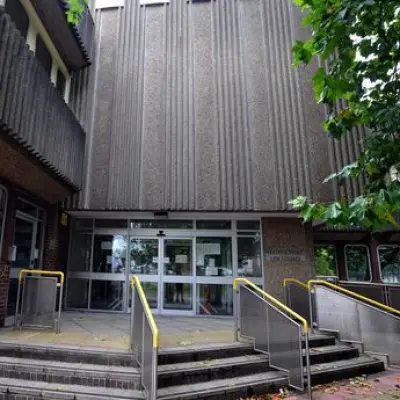
A resident was left living with a window boarded-up with plywood for nine months – much of which was during the winter. The City of Westminster tenant had been reporting issues with his window as far back as 2020.
A Housing Ombudsman case found that in April 2023, the resident reported to the landlord – the council – that the window in his property, on the fourth floor of a listed building, was dangerously held in place “only by two screws, one on either side of the window”. He told the landlord that he was worried that it would fall out because his flat overlooked a sheer drop.
The landlord removed and boarded over the window in September 2023. However, a temporary window was not fitted at the property until May 2024 – nine months later.

The Housing Ombudsman found “severe maladministration” in the council’s handling of the resident’s reports about the broken window. Westminster City Council was ordered to pay the tenant £2,500 in compensation and issue them with an apology.
In a report, the regulatory body said: “The landlord took five months to even remove and board over the window after the resident reported the significant health and safety risk that it posed.
“The resident was then left for 9 months with a window that had been boarded over, unable to ventilate his flat or get sunlight into his property. The majority of the time the resident was without a window was during the winter months. This would have left the resident in a cold property that was difficult to heat during the winter months.”
In December 2023, the resident made a stage one complaint about the boarded-up window and a lack of communication from Westminster City Council. In this complaint, he said that he had first begun reporting the issue with the window several years ago. He said that the council had occasionally sent out contractors but had not resolved the problem.
On January 9 2024, the landlord upheld this complaint and offered the tenant £100 in compensation. It said that a new window had been ordered in September and that it was expected to arrive by the end of the month.
However, in March 2024 the resident’s window was still boarded-up with plywood. He made a stage two complaint, in which he said that the landlord had been “uncaring” and “unhelpful”.
The council upheld this complaint and awarded £400 in compensation to the tenant. It said that the new window was being made for his home, which was due to be delivered to its contractors on June 18 2024.
A temporary window was installed at the tenant’s property sometime in May. The resident made a complaint to the Ombudsman in September that year as the repairs had not yet been completed.
An Ombudsman report was published in March 2026, at which time the window at the resident’s flat was still not fully operational, according to the report. Westminster City Council was told that it must come up with an action plan to address the window repairs at the property.
The Ombudsman said that it was not happy with the compensation offered. It also said that the council had not kept clear records and that it should review how it communicates with residents.
However, the Housing Ombudsman found “reasonable redress” in how Westminster City Council handled the tenant’s complaints about the repairs to the window.
Cllr David Harvey, Westminster City Council Cabinet Member for Housing and Regeneration, said: “We fully accept the Ombudsman’s findings and are deeply sorry for the failings identified in this case. We acknowledge the distress caused and have apologised unreservedly to the resident for the impact that this situation has had on them.
“Our review of this historic case has highlighted that we failed to provide timely repairs and effectively communicate with the resident over a prolonged period.
“The council is committed to making improvements in our practices to ensure residents are given the best possible service; taking steps to strengthen oversight of complex repairs and improve communication with residents and record keeping. We have also increased the size of our complaints team, with a new adopted system for managing complaints alongside a learning framework to ensure we reflect on service delivery and identify opportunities to improve.”