From Cancer Fraud to Cold-Blooded Killing: A Snapchat Date Turns Deadly
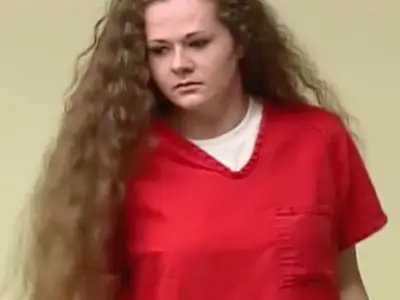
The disturbing case of Sierra Inscoe reveals a chilling progression from manipulative deception to brutal murder, all stemming from connections made through social media platforms.
A History of Deception Unfolds
Sierra Inscoe, a resident of Prentiss, Mississippi, first demonstrated her capacity for elaborate falsehoods in 2020 while living in Florida. During this period, she fabricated an entire narrative about having ovarian cancer, complete with claims about working as a nurse at Gainesville hospital. Friends provided her with free accommodation, prepared meals, and even assisted with bathing, all under the false belief they were supporting someone battling a serious illness.
This pattern of manipulation would foreshadow far more sinister behaviour just two years later, when her actions would escalate from emotional fraud to violent crime.
The Fatal Snapchat Connection
In September 2022, 24-year-old Carson Sistrunk of Rankin County began communicating with Sierra through Snapchat. Despite standing at an imposing 6ft 4in tall, Carson's family described him as possessing a heart of gold. The pair engaged in flirtatious exchanges and made plans to meet during Labor Day weekend.
Carson informed his mother, Darlene, about his plans to meet someone he'd connected with on the social media platform. He climbed into his prized Ford Raptor truck and drove approximately 50 miles for what he believed would be an adventurous date.
A Sinister Motive Revealed
Prosecutor Laurel Blue Brinkley later revealed the chilling truth behind Sierra's intentions. "This is a case about a young man who met a girl and wanted an adventure," she explained. "And it turns out that the girl that he thought was fun had a sinister motive. She had told many people that she was going to have a truck by her birthday – and he had a very nice truck."
Unbeknownst to Carson, Sierra maintained multiple social media accounts and had already demonstrated a pattern of elaborate deception through her previous cancer fraud.
The Investigation Unravels the Truth
When Carson failed to appear for work in Pearl, Mississippi following the weekend, his concerned mother reported him missing. Authorities traced his last financial transaction to a gas station in New Hebron and soon located his distinctive truck with Sierra standing nearby, possessing the vehicle's keys.
Initially claiming she had purchased the truck from a stranger using cash and denying any knowledge of Carson, Sierra's story began to collapse when investigators discovered blood remnants within the vehicle's crevices. Her explanation about hitting a deer contradicted the complete absence of visible damage to the truck.
A Tragic Discovery and Forensic Evidence
On September 7, an oilfield worker noticed unusual tire tracks leading to a pump site in Jefferson Davis County. Authorities responding to the call discovered Carson's badly decomposed body lying in grass near an oil well. The medical examination revealed he had been shot three times with a 9mm firearm.
Prosecutor Chip Lewis provided insight into the murder's mechanics: "The trajectories of those shots were slightly upward. [It] indicated to us that he was most likely sitting on the tailgate of the vehicle when he was shot, and then he fell into the back of the vehicle."
CCTV footage from the store where Carson made his final transaction conclusively placed Sierra in the passenger seat of his truck, directly contradicting her claims of never having met him.
Justice Served Through a Guilty Plea
Despite being charged with murder, Sierra avoided a trial by pleading guilty in July 2024 when she was 22 years old. Addressing Carson's devastated family in court, she offered a brief statement: "I did it; I'm sorry. I killed him."
The court sentenced her to a minimum of 35 years in prison, with her scheduled release not occurring until 2059. The case gained additional attention through its feature on Channel 4's Social Media Monsters programme and analysis by true crime YouTube channels including Coffeehouse Crime.
A Cautionary Tale for the Digital Age
Prosecutor Lewis issued a sobering warning in the aftermath of the case: "I think the lesson to take away from this case would probably be... to be very wary about who you place your trust in – especially in the world we live in today, where we can instantly connect with people hundreds of miles away."
The tragic story serves as a stark reminder of how seemingly innocent social media interactions can mask dangerous intentions, and how digital connections require the same caution we would exercise in physical encounters with strangers.