Aboriginal Activist's Bid for 'On Country' Court Hearing Rejected by Magistrate
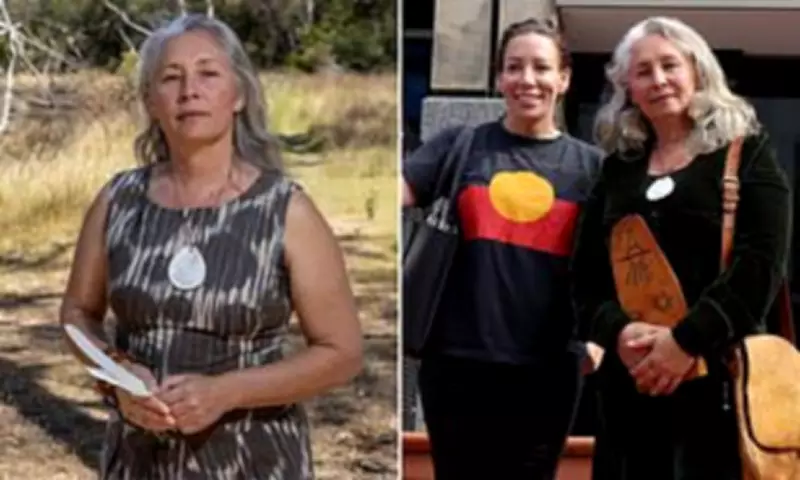
An Aboriginal woman's request to have her trespassing case heard on culturally significant land has been formally rejected by a magistrate in Hobart. Ruth Langford, a Yorta Yorta and Dja Dja Wurrung woman, appeared in court on Monday seeking to have evidence related to anti-forestry protests from 2025 presented 'on Country' at Risdon Cove.
The Request and Its Cultural Significance
Langford had specifically applied for the court to hear evidence at Risdon Cove, the site of a brutal massacre of Aboriginal people by British colonists in 1804. She argued that conducting proceedings on this sacred ground would help the judicial system better understand Aboriginal peoples' deep connection to the land and clarify why she was 'defending Country' through her protest actions.
The self-represented activist has pleaded not guilty to all charges against her. She is scheduled to face a hearing in July concerning a trespass charge stemming from a protest at Snow Hill in January 2025. During Monday's proceedings, additional charges alleging trespass and failure to comply with an authorised officer during an April 2025 protest in southern Tasmania were dropped by the prosecution.

Magistrate's Decision and Reasoning
Magistrate Catherine Geason refused Langford's application, stating that the case could be 'fairly determined without doing so.' She emphasized that Langford's defence would not be prejudiced by the court not physically going on Country. While acknowledging courts have the authority to sit in regional locations and that evidence has been heard on Country in other jurisdictions for native title claims, Magistrate Geason maintained this particular case did not require such measures.
'I understood and respected Aboriginal peoples' connection to Country,' Magistrate Geason noted during the hearing. However, she concluded that the legal proceedings could proceed effectively within the traditional courtroom setting.
Reaction and Broader Implications
Following the decision, Langford expressed her disappointment outside the court, calling it a 'missed opportunity' and criticizing what she described as insufficient details about the reasons for denial. 'Leadership could have been shown. We are asking that our identity and cultural knowledge be best and most reliably heard,' she stated.
Langford further berated what she termed the 'colonial' court system, remarking, 'It's another day in the colony, this is not new. But it is 2026. We've had the reports, the speeches in parliament, now we need people to act. This is a heartache because once again it is a clear denial of identity.'
Had her application been approved, it would have marked the first instance in Tasmania's legal history where evidence was heard on culturally significant land. Prosecutor Deanne Earley had previously indicated she had no objection to Langford's request, adding complexity to the magistrate's refusal.
Broader Criticism of Heritage Laws
Tasmanian Aboriginal Centre campaigner Nala Mansell weighed in on the case, asserting it demonstrated how the island state's heritage laws are failing Aboriginal people. 'As a result we see Aboriginal people such as Ruth having to... be charged criminally to fight to protect Aboriginal heritage simply because the legal and political system have failed,' Ms Mansell explained.
Langford told the court she needed to consult with witnesses about their willingness to testify in what she described as the 'colonial court.' The case continues to highlight ongoing tensions between Indigenous cultural practices and Australia's legal framework, particularly concerning land rights and heritage protection in Tasmania.