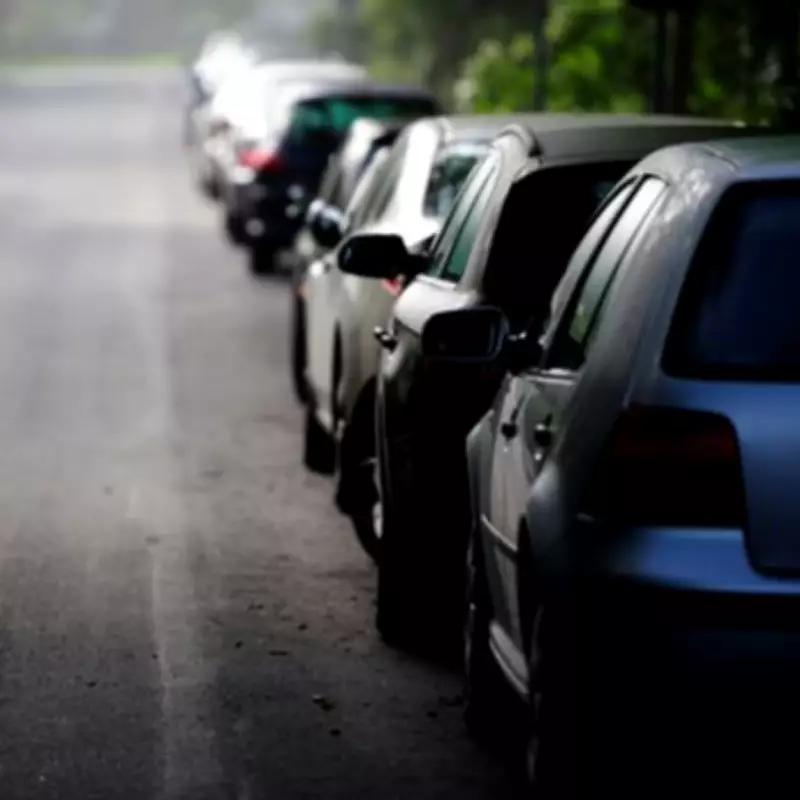
Motorists across the United Kingdom are being strongly advised to revisit the Highway Code to prevent substantial financial penalties, as a widespread parking misconception could lead to fines reaching £1,000. With daylight hours gradually increasing, drivers must not assume they can leave their vehicles anywhere on public roads at night, provided they steer clear of double yellow lines or private driveways.
The £1,000 Night Parking Rule
According to Rule 248 of the Highway Code, it is expressly forbidden for drivers to leave their cars on roads during nighttime hours while facing opposite to the direction of traffic flow, unless the vehicle is situated within a marked parking bay. This regulation applies throughout the year but becomes particularly crucial during darker evenings when visibility is reduced.
Violating this specific parking directive could result in penalties of up to £1,000 for standard passenger vehicles, while goods vehicles and minibuses face even steeper fines that can escalate to £2,500. Both police forces and local authorities hold the power to enforce these sanctions, making compliance essential for all road users.

Insurance Implications and Safety Concerns
Beyond the immediate financial penalties, motorists who park incorrectly at night may encounter significant insurance difficulties. Should a collision occur while a vehicle is illegally parked, the driver could find themselves unable to make successful damage claims through their insurance provider.
Insurance specialist Alicia Hempsted emphasised to MoneySuperMarket: "While this rule applies all year round, it's especially important after the clocks change. Darker evenings and adverse weather conditions can make it considerably harder for other drivers to spot parked vehicles. Positioning your car in the same direction as traffic enhances visibility and contributes to overall road safety."
She further explained that correct parking alignment facilitates easier and quicker exits from parking spaces, thereby reducing traffic obstruction and minimising the risk of accidents with potentially distracted drivers.
Parking Confusion Among Motorists
Parking regulations have become a heated discussion topic on online platforms, with one Reddit user expressing frustration: "I've observed numerous people parking inconsiderately, including vehicles stopping in disabled bays without Blue Badges, mounting pavements over double yellow lines, and even parking on central road islands. Do these drivers genuinely escape consequences so readily?"
The Legal Distinction Between Parking and Stopping
Driving instructor John clarified the crucial legal differences between parking and stopping under UK legislation, highlighting the specific time limits that determine when stationary vehicles become problematic.
Parking Definition:
- Parking is legally defined as when a vehicle remains stationary, with or without the driver present, for a minimum duration of three minutes.
- However, if you stop for more than three minutes specifically to drop off or collect passengers, or to load or unload goods, this action is not classified as parking under the Road Traffic Act.
Stopping Definition:
- Stopping refers to a vehicle being stationary, with or without the driver, for a maximum period of three minutes.
- Importantly, stopping due to congested traffic conditions does not constitute 'stopping' within the meaning of the Road Traffic Act.
This legal distinction underscores the importance of understanding precisely how long vehicles remain in one position and for what purpose, as these factors determine whether parking regulations apply.