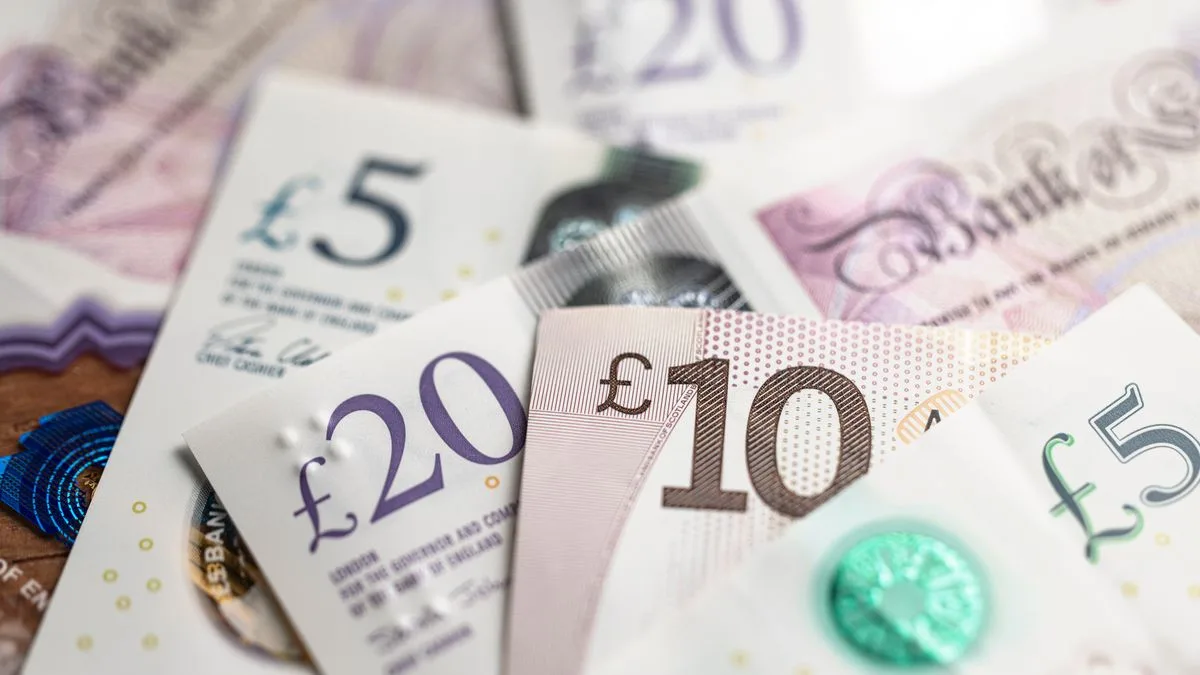
Britons across the country are being issued a stark cash warning following a concerning rise in reports of counterfeit banknotes circulating within the UK. Police forces have responded to multiple separate incidents, with one particular hotspot identified, prompting urgent advice for retailers, businesses, and the general public who may struggle to spot the sophisticated fakes.
Police Issue Urgent Alert in Nottinghamshire Hotspot
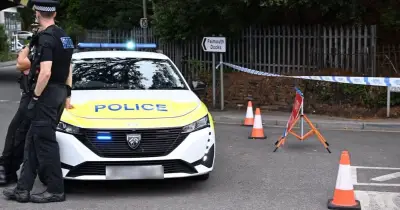
Nottinghamshire Police have taken the lead in sounding the alarm after receiving three distinct reports of fake banknotes being utilised for payments. These incidents primarily involved purchases for takeaways and items bought through social media platforms. The counterfeit notes in question were mainly false £20 and £10 denominations, causing significant concern for local commerce.
Identifying the Fakes: Key Features to Watch For
In a detailed social media warning posted on Sunday, police highlighted specific features observed on the fraudulent notes discovered in Newark. Authorities noted that holograms on these counterfeits were merely stuck-on stickers that could be peeled off, making notes noticeably thicker when stacked in a "wad."
Additional tell-tale signs included a bright white background that appeared blurred upon close inspection, and holograms that frustratingly failed to change when the notes were tilted—a crucial security feature of genuine currency.
To aid public identification, Nottinghamshire Police released comparative images showing fake notes alongside authentic ones, challenging viewers to spot the differences that might otherwise go unnoticed during busy transactions.
Bank of England's Official Verification Guidance
The police force directed concerned citizens to the Bank of England's comprehensive website, which provides extensive information on authenticating banknotes. Key verification methods recommended by the central bank include:
- Hologram Verification: Genuine banknote holograms should dynamically change when tilted from side to side. For example, the words should alternate between the numerical value and the currency symbol—"twenty" to "£" on a £20 note, or "fifty" to "£" on a £50 note.
- See-Through Window Inspection: Examine the metallic image over the transparent window carefully. Authentic £5 and £10 notes feature gold foil on the front, while £20 notes display gold and blue foil, and £50 notes show gold and green. The reverse side should consistently present silver foil across all denominations.
- Print Quality Assessment: Legitimate notes exhibit sharp, clear printed lines and colours without smudges or blurred edges. Using a magnifying glass reveals the note's value written in miniature letters and numbers beneath the monarch's portrait—a detail often missing or poorly replicated on counterfeits.
The Changing Landscape of Counterfeit Detection
An important development noted by authorities is the obsolescence of traditional detector pens for modern polymer notes. These previously reliable tools no longer function effectively, forcing shop owners and cash handlers to rely more heavily on visual inspection and knowledge of security features.
In response to this challenge, the Bank of England offers a valuable free Banknote Checking Scheme designed specifically to protect businesses. This initiative provides retailers with updated training resources for staff, ensuring they remain current with best practices in counterfeit detection as fraud techniques evolve.
What to Do If You Suspect Counterfeit Currency
Official guidance is clear regarding suspected fake banknotes. The Bank of England advises: "If you think that you have a counterfeit banknote, please take it to your bank as a suspect counterfeit or contact the police. They will give you a receipt and send the note to us for analysis. If it is a genuine note (and not a counterfeit), you will be reimbursed."
This reimbursement guarantee provides important reassurance for those who might hesitate to report suspicious currency for fear of financial loss.
The circulation of these counterfeit notes serves as a timely reminder for all cash users to remain vigilant. With fraudulent activity particularly noted in Newark and potentially spreading, checking banknotes thoroughly has become an essential practice for protecting both personal finances and business revenues across the United Kingdom.