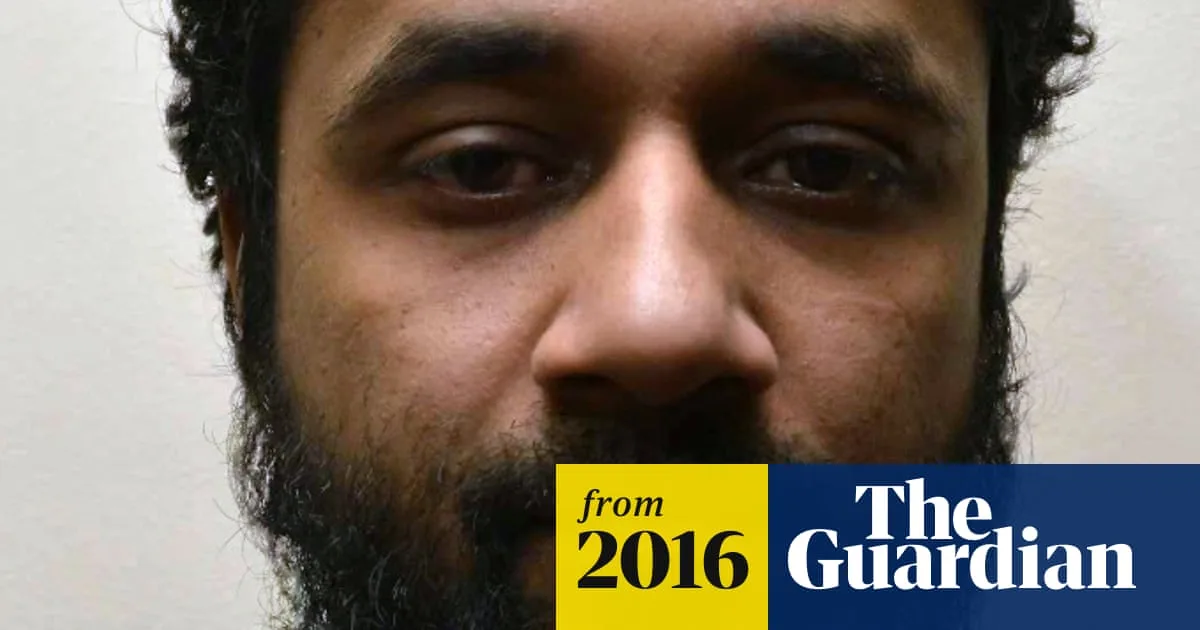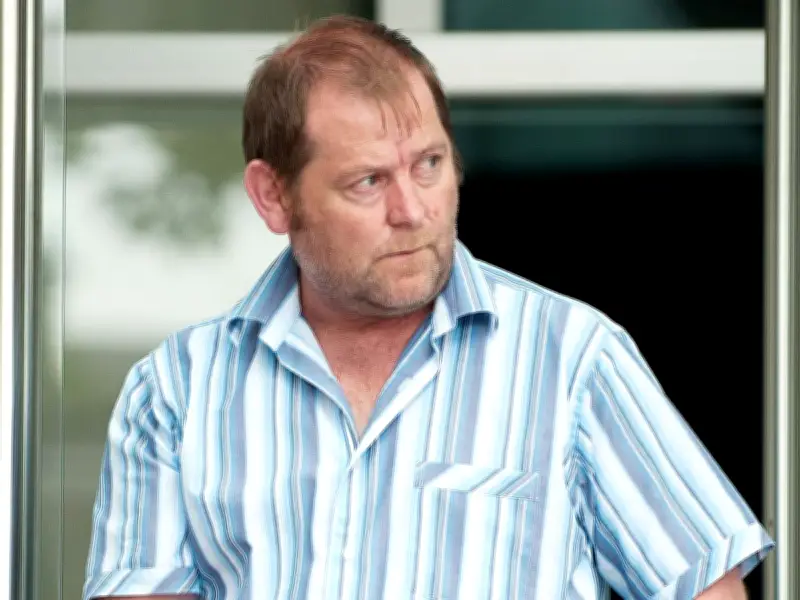
The Manchester Evening News can now reveal that Cyril McGuinness, a Dublin-born businessman and convicted criminal who died in 2019, is believed to be one of the prime suspects in the 1996 IRA bombing of Manchester.
Police Suspicions and Legal Considerations
According to sources close to the investigation, police suspected McGuinness, known as 'Dublin Jimmy', of having a direct 'hands on' role in the bomb plot. It is understood that Crown Prosecution Service lawyers believed there was a 'fighting chance' of securing a conviction had he been charged. The 57-year-old died while preparations were underway to arrest him.
The Attack and Its Aftermath
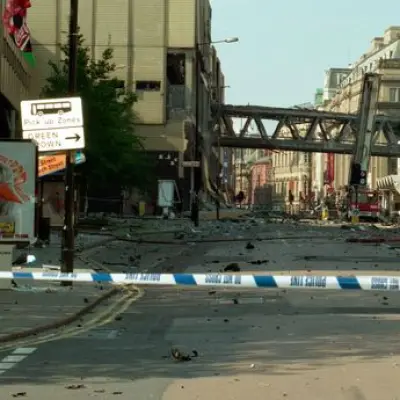
Last week, in the run-up to the 30th anniversary of the bomb which injured 220 people and caused more than £700 million of damage, counter terror police announced their investigation had been closed. No-one has ever been charged in connection with the attack.

A source told the Manchester Evening News that McGuinness was believed to have travelled to Manchester on the day of the attack. Minutes after the bomb was discovered in a Ford Cargo box van parked on double-yellow lines near Marks & Spencer at the corner of Corporation Street and Cannon Street, two men made their way to a burgundy Ford Granada driven by a third man. Along the way, they called an IRA chief in Ireland to confirm the bomb had been planted. The Granada was later found abandoned in Preston.
Police suspect McGuinness was the man waiting in the Ford Granada.
Historical Context and Allegations
In April 1999, a Manchester Evening News investigation into the bombing named another individual believed to be a key suspect. This was published the year after the Good Friday Agreement ended years of violent conflict in Northern Ireland. The failure to prosecute any suspects led to allegations that political influence hampered the search for justice for those injured in the attack.
McGuinness's Criminal Background
McGuinness, raised in Cloghran, County Dublin, had dozens of convictions including smuggling, theft, and transporting illegal waste. In 2008, a European extradition warrant described him as an active member of an Irish criminal organisation. He reportedly supplied vehicles to the Provisional IRA and was involved in smuggling activities with paramilitaries. However, the Irish Times reported that the Garda believed he was primarily a criminal with 'no political beliefs' whose main motivation was money.
Death and Related Investigations
In November 2019, McGuinness collapsed and died of a cardiac arrest following a police raid on his home in Buxton, Derbyshire. The raid was requested by police in Northern Ireland as part of an investigation into the kidnap and torture of businessman Kevin Lunney. A court heard that McGuinness organised the attack on Mr Lunney, who was bundled into a car outside his home in Fermanagh in September 2019 and seriously assaulted. Mr Lunney was tied up inside a horse box, beaten, and slashed with a Stanley knife. The letters QIH were carved into his chest, and his leg was broken with a wooden bat. In December 2021, three men were jailed for abducting and torturing Mr Lunney. An inquest heard that McGuinness was handcuffed during the raid but cooperated with police before suffering breathing difficulties. He died later that morning at Stepping Hill Hospital. A jury inquest ruled his death was from natural causes.
Second Suspect and Investigation Closure
A second suspect in the bomb plot was arrested at Birmingham Airport in September 2022 while returning to Ireland from a holiday via the Midlands. He was flagged due to an arrest-on-sight order on his record should he ever set foot in the UK. He was interviewed by GMP officers but, it's understood, did not say a word and was released without charge.

In a statement last week, Counter Terrorism Policing North West said that as all lines of enquiry had been exhausted, the investigation was 'no longer active'. Assistant Chief Constable Rob Potts said: 'A case of this significance, coupled with the amount of time that has passed, brings complexities so pursuing limited investigative opportunities such as these takes time. Those limited investigative opportunities have now been exhausted and the investigation is no longer active.' He added: 'Should any further evidence or information come to light about new or existing suspects then we are prepared to review this position again.'
When contacted by the Manchester Evening News, Counter Terror Police North West and Greater Manchester Police declined to confirm or deny that Cyril McGuinness was a suspect in the bombing.