Southern Poverty Law Center Indicted on Federal Fraud Charges Over Past Informant Program
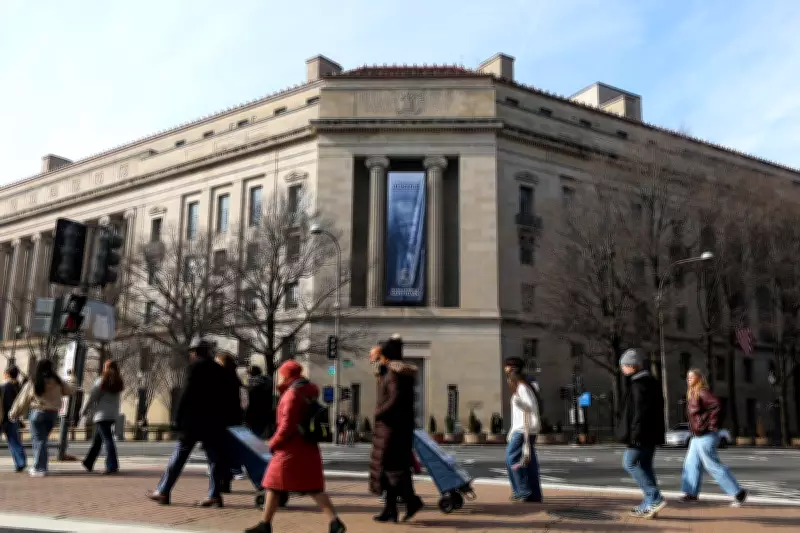
The Southern Poverty Law Center (SPLC) has been formally indicted on federal fraud charges connected to its historical employment of paid informants to penetrate extremist organisations. Attorney General Todd Blanche announced the indictment on Tuesday, marking a significant legal escalation against the prominent civil rights group.
Charges and Legal Context
The indictment, filed by the Justice Department in Alabama where the SPLC is headquartered, includes serious allegations of wire fraud, bank fraud, and conspiracy to commit money laundering. This development follows closely on the heels of the organisation's own disclosure regarding a criminal investigation into its informant program. According to the SPLC, this initiative involved compensating informants to infiltrate extremist groups, gather intelligence on their activities, and frequently share that information with local and federal law enforcement agencies to monitor potential violence threats.
SPLC CEO Bryan Fair responded to the indictment with a firm statement, asserting that the organisation "will vigorously defend ourselves, our staff, and our work." The charges have ignited a fierce debate about the methods used by civil rights groups and the political implications of such legal actions.

Background of the Informant Program
In a detailed statement, Fair explained the origins and rationale behind the informant program. He described operating "in the shadow of the height of the Civil Rights Movement," a period marred by church bombings, state-sponsored violence against demonstrators, and the unsolved murders of activists. Fair argued that the intelligence gathered through informants was crucial, stating unequivocally that "what we learned from informants saved lives." The program was reportedly kept confidential to safeguard the informants' security.
The SPLC, founded in 1971 in Montgomery, Alabama, initially gained recognition for using civil litigation to combat white supremacist groups. Over decades, it has evolved into a nonprofit that regularly publishes reports on hate and extremism, but it has also become a frequent target for Republican critics who view it as excessively leftist and partisan.
Political Repercussions and Broader Concerns
This indictment amplifies existing concerns that the Justice Department under the Trump administration may be weaponised to pursue legal action against political opponents and critics. It follows a pattern of investigations targeting individuals and groups opposed to Trump, raising questions about the impartiality of federal law enforcement.
Conservatives have long accused the SPLC of unfairly labelling right-wing organisations as extremist based on their viewpoints. The centre's consistent condemnation of Trump's policies on voting rights and immigration has further fuelled this criticism. Recent scrutiny intensified after the assassination of conservative activist Charlie Kirk, which brought renewed attention to the SPLC's characterisation of Kirk's group, Turning Point USA, in its "The Year in Hate and Extremism 2024" report.
Erosion of Law Enforcement Relationships
The legal troubles coincide with a notable deterioration in the SPLC's relationships with federal agencies. Last year, FBI Director Kash Patel announced the termination of the bureau's longstanding partnership with the centre, which had provided research on hate crimes and domestic extremism. Patel denounced the SPLC as a "partisan smear machine" and criticised its "hate map" for allegedly defaming mainstream Americans.
Additionally, House Republicans conducted a hearing in December focusing on the SPLC, alleging coordination with the Biden administration to "target Christian and conservative Americans and deprive them of their constitutional rights to free speech and free association." These developments underscore the deep political divisions surrounding the organisation's activities and methodologies.

As the case progresses, it will likely test the boundaries of nonprofit operations, informant usage, and the intersection of civil rights advocacy with federal law. The outcome could have lasting implications for how organisations monitor extremism and engage with law enforcement in the United States.