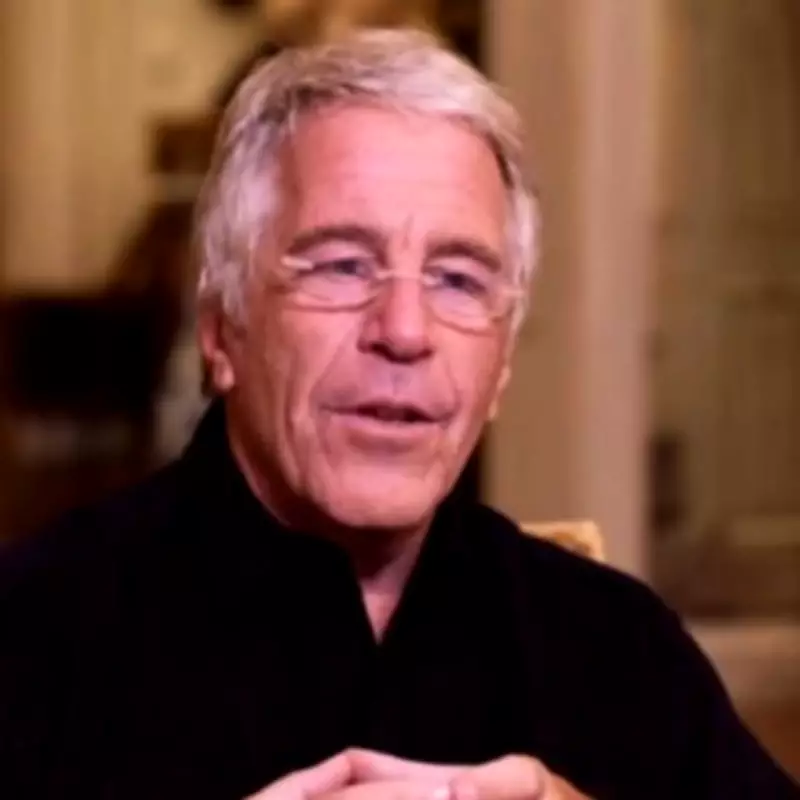
Epstein's Chilling Self-Assessment as 'Lowest' Predator in Post-Prison Interview
In a newly unearthed interview conducted after his release from prison, convicted paedophile Jeffrey Epstein described himself as the "lowest" type of sexual predator. The exchange forms part of a vast trove of documents released by the US Department of Justice last week, providing unprecedented and deeply unsettling insight into the sex trafficker's life and associations.
Major Document Release Sheds Light on Epstein's Mindset
Millions of documents were made public by the Trump administration, revealing extensive details about Epstein and his network of associates. Among these materials was a far-reaching interview during which former top Trump adviser Steve Bannon questioned Epstein about his crimes and character.
During the conversation, Bannon directly asked Epstein whether he considered himself "the devil." The convicted offender's response, analysed by body language experts, has been described as particularly chilling given the gravity of his offences.

Epstein's Attempt to Downplay His Classification
Epstein, who pleaded guilty in 2008 to soliciting prostitution from an underage girl and served 18 months in prison, attempted to minimise the seriousness of his conviction during the interview. When confronted with being labelled a "class three sexual predator" - a designation indicating the most serious threat to public safety - Epstein pushed back against this characterisation.
He instead claimed to be the "lowest" type of predator, though he was forced to acknowledge his criminal status when Bannon pressed him on this point. The exchange reveals Epstein's disturbing capacity to rationalise his actions while remaining seemingly unperturbed by probing questions about his behaviour.
Analysis of Epstein's Demeanour and Body Language
Body language expert Judi James told The Mirror that Epstein's posture and expressions during the interview suggested he believed he had achieved "victory" in the exchange. Following his smiling response to whether he was "the devil himself," Epstein adopted poses that appeared designed to transform serious questioning into shared humour rather than confrontation.
"The pose that sums up the chilling element of this interview clip comes right at the end as a summary of Epstein's debating skills," Ms James explained. "He's been asked a series of direct 'killer' questions... but at the end of his clip he is pointing a crooked index finger at the interviewer and acting like some kind of a stand-up comic."
She added that Epstein appeared to believe his "charm" had won the day, concluding the exchange with puckered lips and a face "wreathed in smiles" as if assuming he had successfully deflected the seriousness of the interrogation.
Broader Context of Epstein's Crimes and Legacy
Epstein's conviction and subsequent placement on the sex offenders' register represented only a fraction of the allegations against him. The newly released documents contribute to the growing understanding of his extensive sex trafficking operations and the powerful associates who formed his social and professional network.
The interview's revelation of Epstein's self-assessment as the "lowest" predator adds another disturbing layer to public understanding of how he perceived his own criminal behaviour, even after facing legal consequences for his actions against underage victims.