
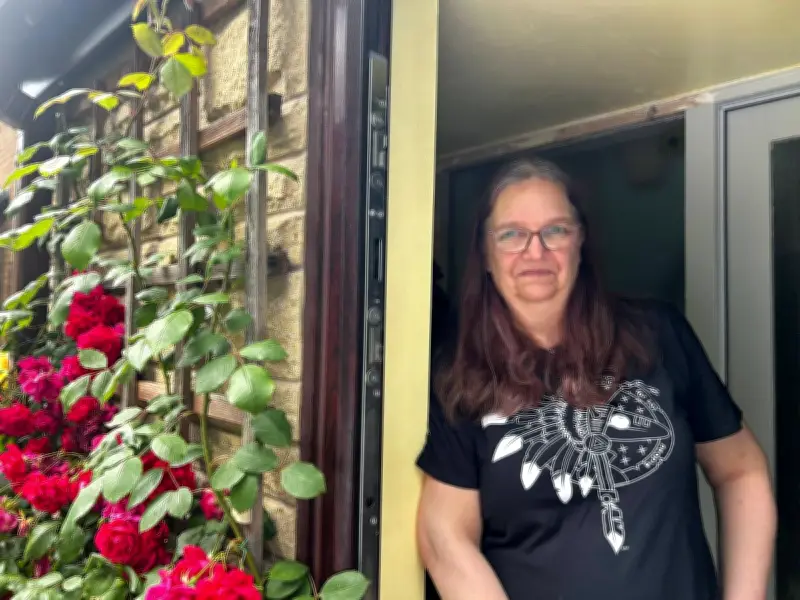
Elaine, who lives opposite HMP Wymott near Leyland, Lancashire, says the prospect of moving next to a prison didn't put her off. 'What idiot would dare commit a crime inches away from a jail?!' she remarks. However, the proximity to Garth Prison, which houses paedophiles and sex offenders, creates unease for some. Yet, locals on the Wymott Estate, built in the 1970s and 1980s for prison staff, report mostly positive interactions with their neighbours.
Community and Drone Incursions
Elaine, a resident of Willow Road overlooking Wymott's perimeter fence for 15 years, says the prison is 'really community-focused' and communicates well. The only noise comes from inmates playing football. However, drones are a growing problem. 'We get a lot of drones used to drop off drugs and phones. I'd say one a week,' Elaine explains. Operators set off fireworks to signal inmates, often late at night, disturbing pets and children. The prison encourages residents to report sightings and responds quickly.
The estate comprises around 100 quiet, semi-detached homes with large gardens. Crime is minimal outside the prison walls. Trudi, a 30-year resident, spots drones 'every other day,' but security staff intercept most deliveries. 'It's a really safe and happy place to live. I leave my car windows open when it's warm and kids leave their bikes out,' she says.
Opposition to a Third Prison
While the prisons are considered good neighbours, locals oppose government control. In 2021, Chorley Council refused an application for a third prison alongside Garth and Wymott, citing concerns that 1,715 inmates would outnumber residents. A Planning Inspector recommended dismissing the appeal. However, in December 2024, then Deputy Prime Minister Angela Rayner overruled the inspector, approving the prison despite concerns over construction traffic. The inspector had concluded local roads couldn't cope, but Rayner decided the harms were 'clearly outweighed by the benefits.'
In 2025, the Ulnes Walton Action Group took the fight to the High Court but lost. The resettlement facility will house men nearing the end of their sentences, originally proposed by the Conservative government and pursued by Labour to boost prison capacity. Preliminary work has started, and Trudi finds the loss of wildlife and green space 'heart-breaking.' She walks her dog daily in woodland where 'countless mature trees' will be cut down. 'It's all going and it'll be devastating for the wildlife. We suggested five alternative sites, but they were dead set on here,' she says.
Government Justification and Local Discontent
The Ministry of Justice stated the new prison at Ulnes Walton 'is critical to delivering the 20,000 extra places we need to protect the public' and will bring benefits like local employment, apprenticeships, and spending with social enterprises. But locals and the action group find the loss of natural habitats 'unforgivable.' Trudi adds, 'There's a large pond near the visitor's centre that's going. Some people have been refused planning permission due to old railway lines, yet the government gets what it wants. What's the point in planning processes if they can overturn any decision?'
No completion date is set, and construction will take years. Locals dread the new prison's arrival, despite the current safe environment.




