US Supreme Court Strikes Down Colorado's Ban on LGBTQ+ Conversion Therapy
Supreme Court Overturns Colorado Conversion Therapy Ban

Supreme Court Overturns Colorado's Ban on LGBTQ+ Conversion Therapy

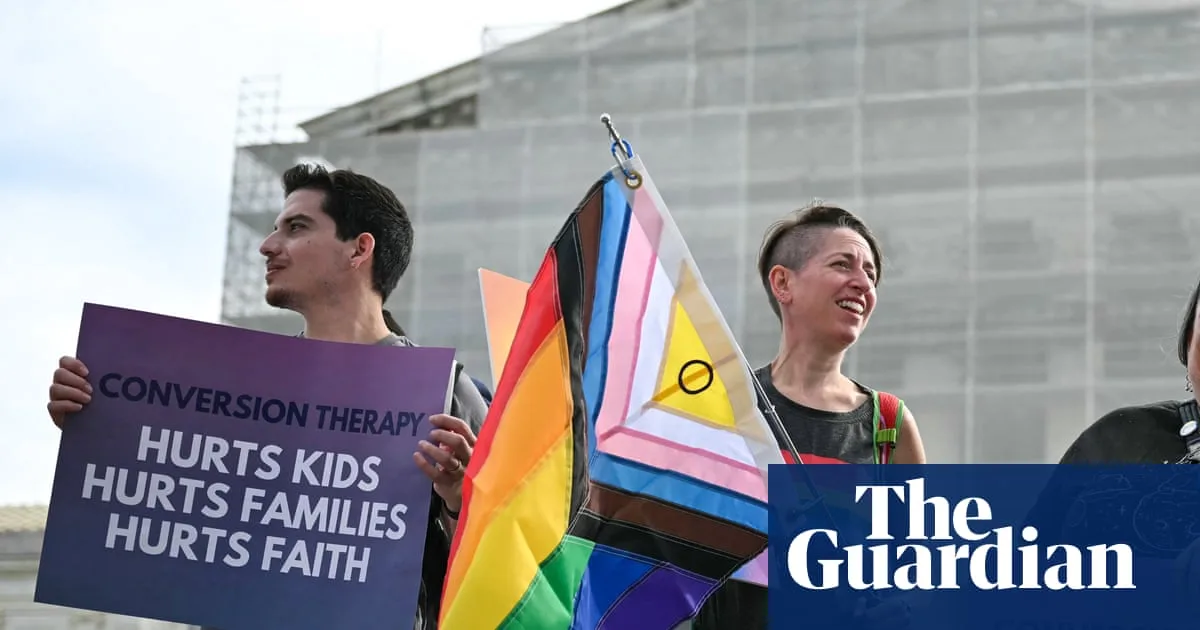
The United States Supreme Court has delivered a significant ruling, striking down a Colorado law that prohibited the controversial practice of "conversion therapy" for LGBTQ+ children and adolescents. This decision represents a major legal development in the ongoing national debate surrounding LGBTQ+ rights, religious freedoms, and state regulatory authority over healthcare practices.

An 8-1 Majority Sides with Free Speech Arguments

In a decisive 8-1 ruling, the high court's majority found that the Colorado statute, enacted in 2019, raised substantial concerns under the First Amendment's free speech protections. The justices sided with Christian counselor Kaley Chiles, who argued the law unconstitutionally restricted her ability to provide voluntary, faith-based talk therapy to minors questioning their gender identity or sexual orientation.

The court has remanded the case back to a lower court for further review, instructing it to determine whether the Colorado ban can meet the stringent legal standard required to justify restrictions on speech—a test that very few laws successfully pass. This ruling continues a recent trend where the Supreme Court has shown increased skepticism toward laws affecting LGBTQ+ rights while giving greater weight to claims of religious discrimination.

Wide Pickt banner — collaborative shopping lists app for Telegram, phone mockup with grocery list

Contrasting Perspectives on Therapy and Harm

Counselor Chiles and her legal team, supported by the conservative Alliance Defending Freedom organization, contended that her therapeutic approach differs fundamentally from historical "conversion therapy" practices that employed extreme methods like shock therapy. They argued that Colorado's ban effectively prevents parents from finding therapists willing to discuss gender identity with children unless those conversations exclusively affirm gender transition.

Colorado state officials vigorously defended the law, asserting it permits wide-ranging conversations about gender identity and sexual orientation while specifically exempting religious ministries from its provisions. The state maintained that the measure simply prohibits therapists from attempting to "convert" LGBTQ+ individuals to heterosexuality or traditional gender expectations—a practice extensively discredited by scientific research and linked to serious psychological harm, including increased risks of depression, anxiety, and suicide among vulnerable youth.

Healthcare Regulation Versus Free Speech

A central conflict in the case involved whether conversion therapy constitutes protected speech or a form of healthcare subject to state regulation. Colorado argued that therapeutic practices fall under the state's responsibility to regulate healthcare professionals to protect public health and safety, and therefore do not receive the same First Amendment protections as other types of speech.

The 2019 Colorado law carried potential penalties including fines and license suspension for violators, though no sanctions had been imposed under it prior to the Supreme Court's decision. Legal experts anticipate this ruling will eventually render similar conversion therapy bans unenforceable in approximately two dozen other states that have enacted comparable legislation.

Broader Implications and Legal Context

This case marks another appearance before the Supreme Court for the Alliance Defending Freedom, which recently represented a Christian website designer who successfully challenged Colorado's anti-discrimination laws because she objected to creating websites for same-sex couples. The organization's repeated involvement in high-profile cases demonstrates the ongoing legal battles at the intersection of religious liberty, free speech, and LGBTQ+ rights in the United States.

The Supreme Court's decision leaves unresolved the ultimate fate of Colorado's conversion therapy ban, but strongly signals that such laws face formidable constitutional hurdles. As the case returns to lower courts for further proceedings, advocates on both sides are preparing for continued litigation that will shape the legal landscape for therapists, religious counselors, LGBTQ+ youth, and their families across the nation.

Pickt after-article banner — collaborative shopping lists app with family illustration