A solicitor who approved a private investigator's contested confession of bugging, phone tapping and hacking on behalf of the publisher of the Daily Mail did not oversee the document being signed, the High Court has heard.
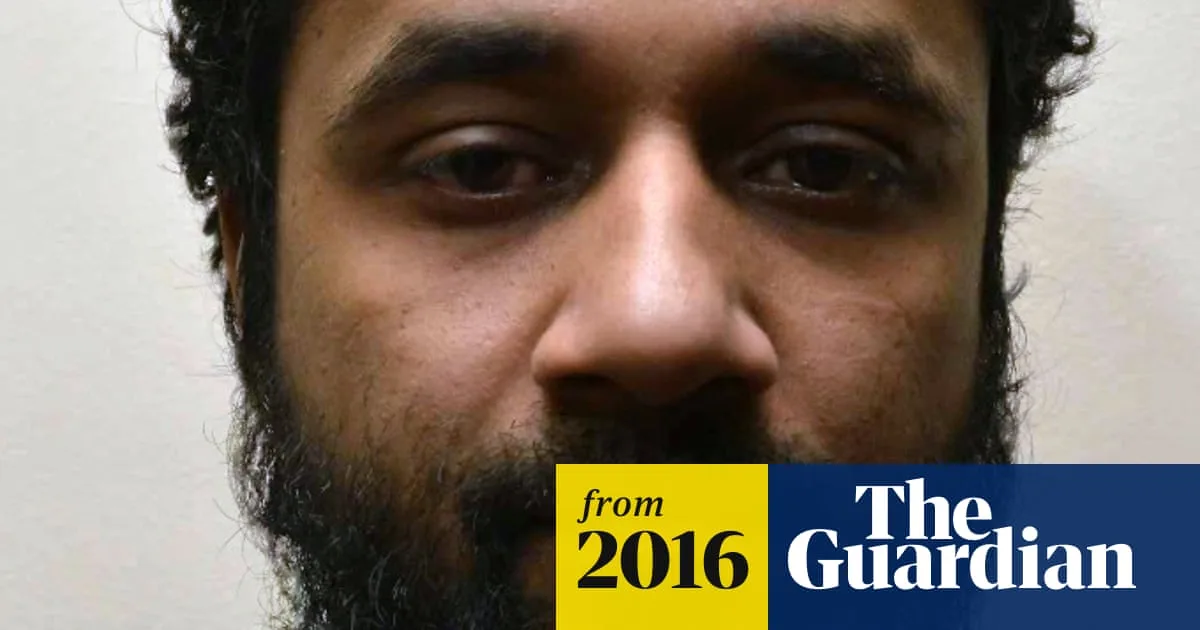
The most serious allegations of unlawful information-gathering against Associated Newspapers Ltd (ANL) came from a signed statement made by private investigator Gavin Burrows. It alleged an array of lawbreaking on behalf of the publisher, including bugging, phone hacking, landline tapping and the 'blagging' of private records and medical information. ANL denies all the allegations.
Four of the seven claimants in the case – Elton John and his husband, David Furnish, as well as the actors Liz Hurley and Sadie Frost – have pointed to the significance of Burrows's alleged confessions. Allegations include the tapping of Hurley's phone, the bugging of her home and the hacking of a phone belonging to John and Furnish's gardener. However, Burrows now says the witness statement outlining his alleged confessions was forged.

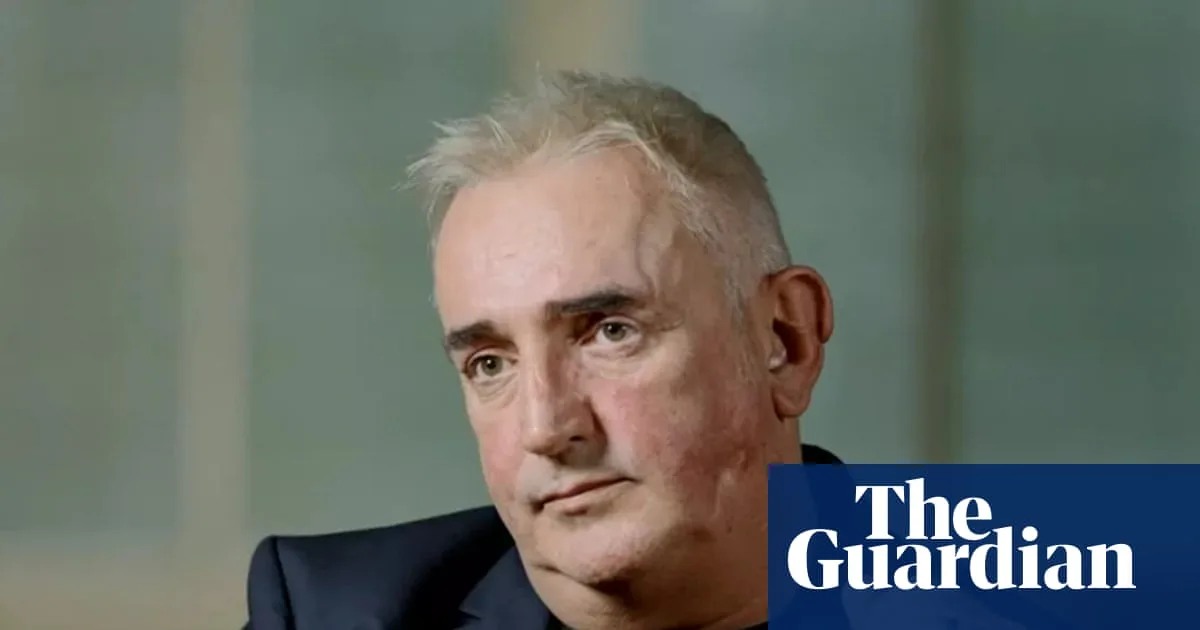
Giving evidence at the trial, Anjlee Sangani, the solicitor who signed off the document as being drawn up in accordance with normal legal practices, confirmed she had not been responsible for asking Burrows to sign it. Her signature effectively confirms the witness was not asked leading questions in preparing their statement, and did not have any improper pressure put upon them. Sangani confirmed she had 'delegated' the task of ensuring Burrows signed the document to Graham Johnson, a former phone hacker who has since researched unlawful press activities and became a researcher for the claimants' legal team.
ANL's legal team is suggesting that the Burrows statement was primarily drawn up by Johnson. It claims Sangani could not have been certain all the information came from Burrows's own words. Antony White, the lead barrister for ANL, told Sangani that she had had 'limited involvement' in the formation of the alleged confession, dated August 2021. Sangani rejected that, stating she had been closely involved in the formation of Burrows's statement. She said she had met Burrows five times in March of that year to discuss his evidence and had been 'uncomfortable and frightened' of Burrows during one of the meetings.
In written submissions, Sangani said Johnson had 'kept me informed' when it came to Burrows signing his witness statement. She said she had seen an email exchange between Johnson and Burrows's wife asking for Burrows to sign, and a further email from Burrows that contained the signed statement. 'I then signed the certificate of compliance upon checking and viewing Mr Burrows's electronic signature and the contents of his email to Mr Johnson,' she said. 'I am unsure whether the defendant is alleging I forged Mr Burrows's signature. If this is the case, it is plainly wrong. If the defendant is alleging Mr Johnson forged the signature, that is not even remotely possible.'