Police Under Intensifying Pressure to Halt London Al Quds March
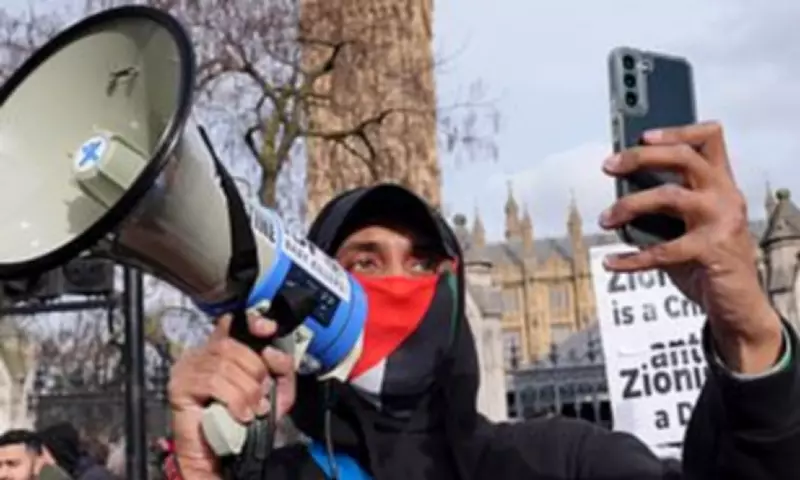
Police forces are facing escalating demands to prohibit an Al Quds Day march scheduled for London this month. This follows the announcement of a substantial counter-protest, set against the backdrop of the ongoing Iran crisis. The Al Quds Day march, which employs the Arabic term for Jerusalem, is an annual event held during Ramadan to demonstrate solidarity with Palestinians.
Historical Origins and Current Concerns
The march was originally initiated by Ayatollah Ruhollah Khomeini, the inaugural Supreme Leader of Iran, following the Islamic Revolution in 1979. Authorities now express apprehension that this year's London march, planned for 15 March, could culminate in serious disorder due to its associations with the Iranian regime.
Specific worries centre on potential clashes between pro-regime supporters and counter-protesters, especially after plans for a rival demonstration were publicised. These fears have been amplified by recent tense exchanges in Manchester, where mourners holding a vigil for Ayatollah Ali Khamenei—Iran's second Supreme Leader, killed in recent US and Israeli strikes—confronted anti-regime protesters.

Political and Security Reactions
In the wake of American and Israeli military actions, Iran has retaliated with a barrage of missile and drone attacks across the Middle East. This regional chaos has prompted Britain to deploy additional fighter jets to the area, as concerns mount over a potential broader conflict.
Senior Tory MP Chris Philp, the shadow home secretary, stated: 'After the scenes we saw in Manchester and the planned counter protests, it's now clear the planned Al Quds Day march could end in serious disorder. I've written to the Metropolitan Police Commissioner asking him to ban the march under the Public Order Act. We cannot allow the streets of London to become a place for the Iranian regime to spread their propaganda.'
Lord Walney, a former government adviser on political violence, added: 'Increasing violent protests and confrontations as Iran lashes out show there is a rising threat surrounding this abysmal celebration of the vile Islamist terror regime on London streets. The police are required to recommend to the Home Secretary that a march is stopped if they think it will trigger serious disorder; they should recognise the danger and act to stop the Al Quds march now.'
Government and Police Stance
Home Secretary Shabana Mahmood addressed the issue on Thursday, emphasising she would not interfere with the operational independence of Scotland Yard. When questioned about requesting a ban, she explained at a press conference: 'The decision on specific marches is an operational matter for police and I'm not going to interfere with operational independence. We of course have a range of powers where protests are concerned, primarily around conditionality for those protests; so the time period over which they can occur, where precisely they have to be located.'
She further noted: 'There is an existing power of ban but it has been very rarely used because, as people who are well-versed in this territory know, the policing of a ban can often be more tricky than the policing of a protest in the first place. So these are finely-balanced judgements on how best to maintain public order that are made by the police each time any of these events occurs. I would expect the police to be, of course, using their full powers but using their professional judgement on what is the best way to maintain order on our streets.'
Metropolitan Police Response
A Metropolitan Police spokesperson acknowledged the heightened attention on the protest due to the Middle East conflict, stating: 'We recognise that there will be more attention on this protest given the ongoing conflict in the Middle East. It is likely numbers will be increased and the possibility of counter protest is greater. We will keep all these matters under careful review and will publish the details of our policing plan closer to the time.'

Regarding a potential ban, the spokesperson clarified: 'In response to the question of a ban, it is important to recognise that the police do not have the power to ban protest. They can apply to the Home Secretary for a ban but only if there is a risk of serious disorder that cannot be managed by the use of police tactics or the imposition of Public Order Act conditions alone. That is a high threshold.'
The spokesperson concluded: 'Officers will still take a zero-tolerance approach to hate crime, including anti-Semitism, and support for proscribed organisations. They will intervene decisively where they see people crossing the line from lawful protest to criminality.'