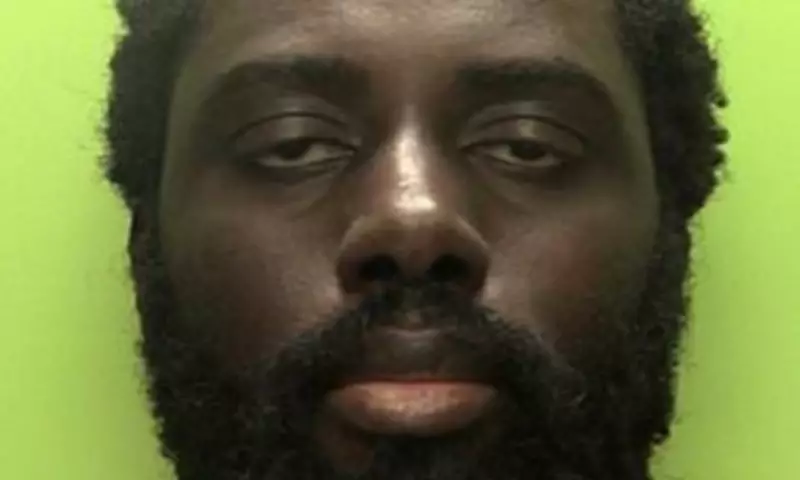
Police have admitted they were wrong not to further investigate violent attacks by a mentally ill man who would go on to commit the Nottingham attacks three years later. Valdo Calocane was initially arrested by Nottinghamshire Police in May 2020 after he hammered down neighbours' doors, in one case causing a woman to jump from a first-floor window to escape him, suffering a broken back.
Police Decision to Close Investigations
Despite the severity of the injuries, police decided to close these investigations after being told by a consultant psychiatrist that Calocane did not have the mental 'capacity' to be responsible for his actions. The inquiry, which started in London last week, has heard how police closed down the investigation into Calocane attacking his neighbours after receiving advice from Dr Faizal Seedat, who observed him in hospital after being sectioned under the Mental Health Act.
Admission of Error
Police Sergeant Katie Sparkes told the inquiry she should not have simply relied on Dr Seedat's opinion when deciding to record the incident as 'unable to be detected'. Julian Blake KC, counsel to the inquiry, asked her: 'Is it typical to just receive an email and determine whether a crime has been decided without, for example, any kind of follow up with the specialist, the consultant, no phone call, no witness statement, is that sufficient?' She replied: 'No. We could have gone back and got further details in a more comprehensive way.' Mr Blake asked: 'Could have, or should have?' She replied: 'Should.' However, she admitted the doctor's note still provided her with sufficient reason to close the case at the time.

Systemic Failures and Missed Opportunities
The inquiry has revealed systemic failures, including how the two incidents did not appear on the same log, despite them happening at the same address and within 24 hours. This meant officers were closing cases, unaware of the full picture of Calocane's history of violence. Paranoid schizophrenic Calocane had been sectioned four times in the three years before he struck on June 13 2023, also seriously injuring three others, but he was repeatedly released back into the community despite concerns about his deteriorating behaviour.
Prior Violence and Police Oversights
Calocane had a history of violence, reportedly assaulting two colleagues at the factory where they worked just weeks before the attacks. Yet, Leicestershire Police called to the scene did not realise Calocane already had an outstanding warrant for his arrest by Nottinghamshire Police for allegedly assaulting an emergency worker. An inexperienced officer admitted this was an 'operational mistake'. The inquiry also heard that police evidence went missing, with information not properly shared between agencies.
Medical Misleading and Discharge
Calocane repeatedly misled medical professionals in Nottingham, refusing to take a certain type of medication because of his supposed fear of needles, despite getting Covid jabs. He was discharged from his specialised mental health team to his GP around nine months before he struck, after failing to engage with them. This discharge occurred despite his violent history and mental health issues.
Aftermath and Ongoing Inquiry
Calocane, a student at Nottingham University, went on to kill 19-year-olds Barnaby Webber and Grace O'Malley-Kumar, and 65-year-old Ian Coates during a stabbing spree in 2023. He was handed an indefinite hospital order after admitting manslaughter on the grounds of diminished responsibility. The inquiry is looking into how Calocane was free to kill, with the hearing continuing to examine the lapses in police and mental health systems that allowed this tragedy to unfold.