Sydney Inquest Probes Fatal Police Shooting Amid Camera Activation Delays
A police officer testified at a coronial inquest that he did not have sufficient time to activate his body-worn camera before fatally shooting a Sydney man during a psychotic episode in May 2023. The incident has intensified scrutiny over police responses to mental health crises.
Details of the Tragic Incident in North Willoughby
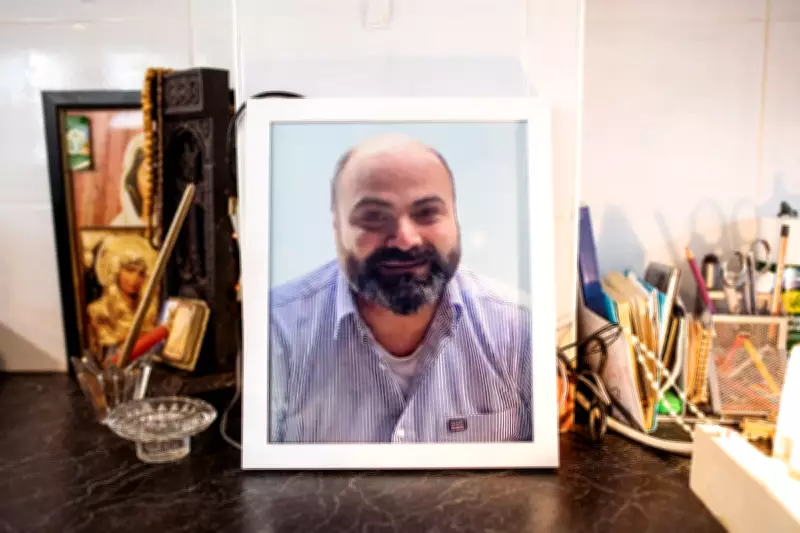
Steve Pampalian, aged 41, was shot three times by a police officer in the driveway of his home on a quiet suburban street in Sydney's North Willoughby on May 25, 2023. The shooting occurred after Pampalian experienced a psychotic episode, during which he moved towards officers while holding two kitchen knives.
This case is part of a series involving four vulnerable individuals who died in separate incidents over consecutive months in 2023 following interactions with police. These deaths have sparked increased public and official examination of law enforcement protocols in mental health situations.

Conflicting Testimonies and Camera Issues Emerge
Constable Jason Bryan, the first responding officer, informed the inquest that officers typically turn on body-worn cameras when exercising police powers or gathering evidence, though it is not mandatory. He stated, "I didn't have enough time to turn it on any earlier than whenever I did turn it on." It remains unclear when Bryan activated his camera, but it was confirmed to be off at the moment of the shooting.
The second officer, Constable Elizabeth Trupiano, was not wearing a body-worn camera at all. She revealed that between 25% and 50% of the cameras at Chatswood police station were non-functional at the time, and no working device was available for her use that day.
Background and Events Leading to the Shooting
Multiple neighbours called police after observing Pampalian muttering to himself and chasing a woman up the road. Ben Carstein, a neighbour, described Pampalian's state as psychotic, noting contorted facial expressions. Despite living with his parents on the street, most witnesses did not recognise him.
Pampalian's brother, Eddie, described him as a "gentle soul" with a history of anxiety, marking this as his first known psychotic episode. Medical records show Pampalian visited a doctor 11 days prior to his death for a new antidepressant prescription, with no abnormalities noted. In the days leading up to the incident, his internet searches included terms like "delirium" and "satan in delusion."
Police Response and Aftermath of the Shooting
Officers responded under the belief it was an active break-in, not a mental health incident. Trupiano estimated that less than 30 seconds passed between arriving at the scene and Bryan firing three shots. Bryan recounted seeing Pampalian emerge with knives and run towards him, prompting him to fire in self-defence.
Witness accounts varied, with some describing Pampalian stumbling but not falling to his knees, while others noted he charged at police. Neither officer administered first aid after the shooting; Bryan cited an emotional stress reaction, and Trupiano focused on securing the area.
Bryan defended his decision not to use capsicum spray or a stun gun, citing immediate life-threatening risks. The inquest continues to explore these critical details and broader implications for police training and equipment.