Historians and archaeologists have warned that Iran's ancient cultural heritage is at risk from US and Israeli airstrikes. In a letter to The Times, experts from the British Museum, the Fitzwilliam Museum at Cambridge University, and the School of Oriental and African Studies expressed deep concern over the humanitarian impact and reported damage to Iran's cultural sites.
The letter highlighted that mosques, museums, and Tehran's only UNESCO-listed building, the Golestan Palace, are in danger. Last month, a museum attached to Falak-ol-Aflak Castle in Khorramabad was completely destroyed. The authors stated that this is a loss for global cultural heritage, not just for Iran.
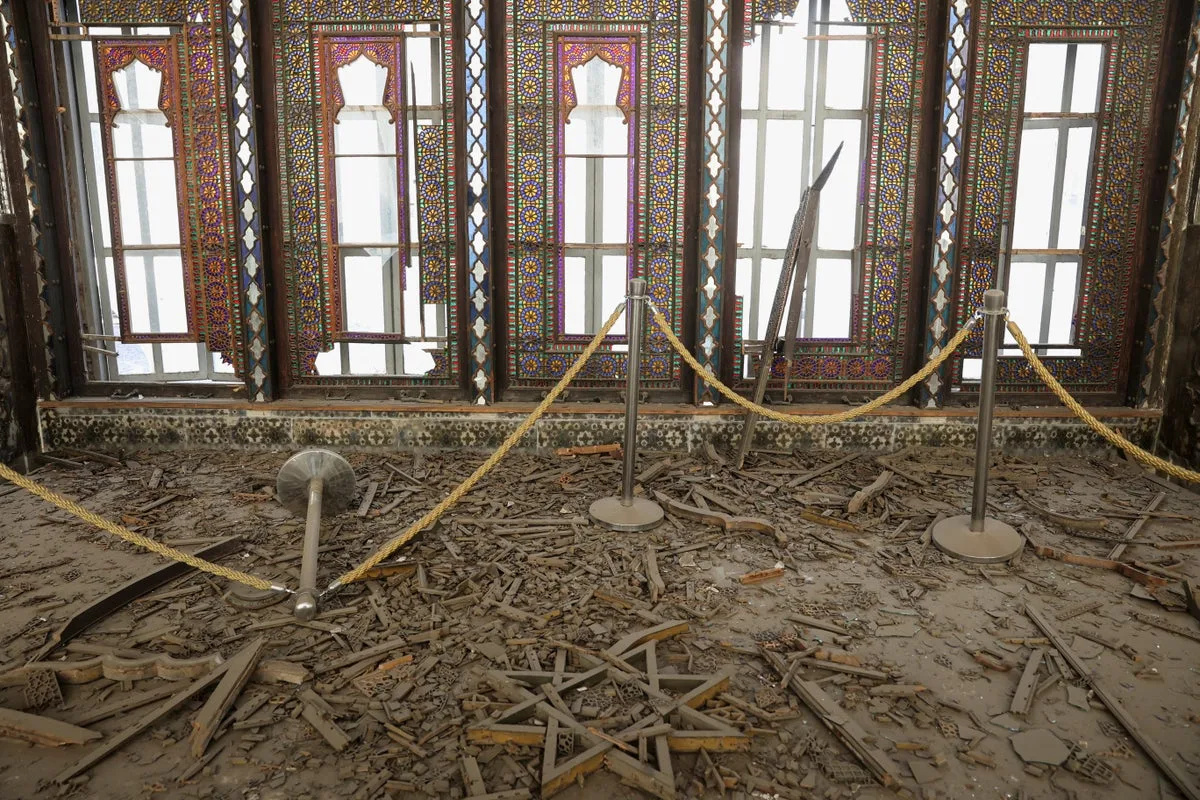
UNESCO reported on 11 March that four of Iran's 29 world heritage sites have been affected since hostilities began. Damage to Golestan Palace from a strike on 2 March shattered windows and left rubble in ballrooms. The palace, built in the late 17th and 18th centuries and remodelled in the 19th century, was damaged by blast waves from a nearby strike.
Another important site, the Chehel Sotoun palace in Esfahan, part of a 17th-century Safavid complex, has also been damaged. Professor Ali Ansari of the University of St Andrews noted uncertainty about how the international community could help repair damage due to the war. He expressed hope that sites like Persepolis would be protected, saying he would like to think the Americans and Israelis have a red alert there.
Concerns are also growing about environmental damage from bombings. In the first week of the war, Israel hit oil depots near Tehran, covering the city in toxic fumes that can erode ancient sites. The letter warned that pollution from damaged oil depots and refineries could cause irreversible damage to sites such as Persepolis, Pasargadae, and rock-reliefs at Bisitun, Naqsh-e Rostam, and Bishapur.