Massive Search for Nancy Guthrie Exposes Investigative Inequalities
As hundreds of federal and local agents continue their extensive search across the Arizona desert for Nancy Guthrie, who vanished from her affluent neighborhood nearly two weeks ago, the case has brought into sharp focus the profound disparities in how missing persons investigations are conducted. While this high-profile disappearance commands unprecedented resources, numerous other families remain desperate for answers, highlighting systemic inequities in law enforcement responses.
Contrasting Experiences of Grieving Families
Families who have spoken with The Associated Press express shared empathy for the anguish experienced by Nancy Guthrie's children, including Savannah Guthrie, the prominent "Today" show host. However, this empathy is tempered by frustration among those whose loved ones have disappeared without attracting similar attention.
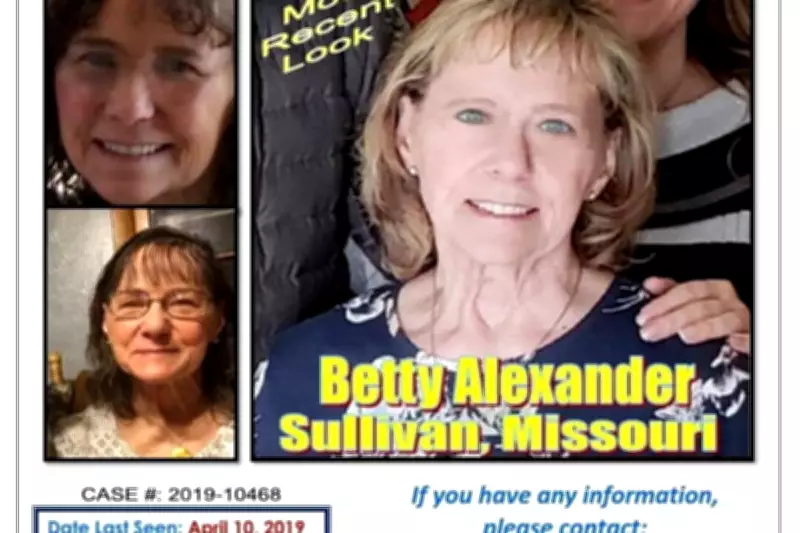
Tonya Miller, whose mother Betty Miller vanished under suspicious circumstances in Missouri in 2019, articulated this frustration vividly. "Families like ours that have just your normal missing people, they have to fight to get any help," said Miller, 44, who has watched substantial resources pour into the Guthrie investigation while her own search struggles for basic support.

Unprecedented Resources for Guthrie Investigation
The nation has become captivated by the apparent kidnapping of Nancy Guthrie, with authorities confirming they believe she was taken against her will. Neighborhood residents have demonstrated solidarity by tying yellow ribbons to trees, while multiple news outlets have reported receiving ransom notes. The Guthrie family has indicated willingness to pay, though the authenticity of demands with expired deadlines remains uncertain.
The Pima County Sheriff's Department has confirmed that several hundred detectives and agents are now dedicated to the investigation. FBI spokesperson Connor Hagan declined to specify the exact number of federal agents involved or detail how the agency prioritizes different missing persons cases. However, he confirmed that agents from the Critical Incident Response Group, alongside technical experts and intelligence analysts, are working to locate Guthrie.
A 24-hour command post has been established where dozens of agents systematically review the approximately 13,000 tips received from the public, among other operational responsibilities.
The Rarity of Abductions and Racial Disparities
Statistical analysis reveals that abductions represent a small fraction of missing persons cases. According to the latest National Crime Information Center data from 2024, over 530,000 missing person records were entered throughout the year, with just over 90,000 cases remaining unresolved by year's end. Approximately 95% of these cases were believed to involve runaways, while only 1% were classified as abductions.
Significant racial disparities further complicate the landscape of missing persons investigations. The FBI's online database currently lists five kidnapped or missing individuals from Arizona, including Nancy Guthrie. Notably, all five are identified as Native American or disappeared from tribal communities, except for Guthrie.
This pattern reflects national trends documented in the 2024 National Crime Information Center report, which indicates disproportionate representation among abducted individuals. Approximately one-third of the 533,936 missing persons listed as abducted in 2024 were Black, despite Black individuals comprising only 13% of the U.S. population according to Census data. Similarly, nearly 3% of abducted individuals were Indigenous, compared to the 1.4% Indigenous representation in the broader U.S. population.
Lucy Simpson, Chief Executive Officer of the National Indigenous Women's Resource Center, emphasized the systemic challenges: "Every person deserves to be safe, and when someone is missing, there should be an immediate, coordinated, and effective response. For many Native women, longstanding gaps in resources, coordination, and systemic support for Tribal Nations have made prevention and response more difficult."

Families Left Without Adequate Support
While experts acknowledge that intense media attention can sometimes hinder law enforcement operations, Savannah Guthrie's celebrity status has undeniably mobilized exceptional resources. These include a $100,000 FBI reward for information leading to Nancy Guthrie's location or the arrest and conviction of those responsible.
This stands in stark contrast to the experience of Tonya Miller in Sullivan, Missouri, where she has invested her own time and finances searching for her mother. Betty Miller was last seen in her apartment in the town of approximately 7,000 residents, with several suspicious indicators: missing fentanyl patches, prescription glasses left on an armchair, and unexplained scratches on the front door.
Despite these concerning circumstances, local police did not treat the apartment as a crime scene initially. Tonya Miller had to advocate persistently for fingerprint collection and follow-up on public tips. In subsequent weeks, she organized search parties, distributed fliers, and raised funds to establish a $20,000 reward through community efforts.
As years have passed without resolution, Miller has written to elected officials at all government levels, including former President Donald Trump, expressing her growing desperation. "I feel so helpless," Miller confessed, "because you just don't know what to do anymore."
The Sullivan Police Department did not respond to requests for comment regarding the Miller case, underscoring the communication challenges many families face.
This investigative disparity between high-profile cases and those without media attention raises critical questions about resource allocation, systemic biases, and the fundamental promise of equal justice for all missing persons and their families.