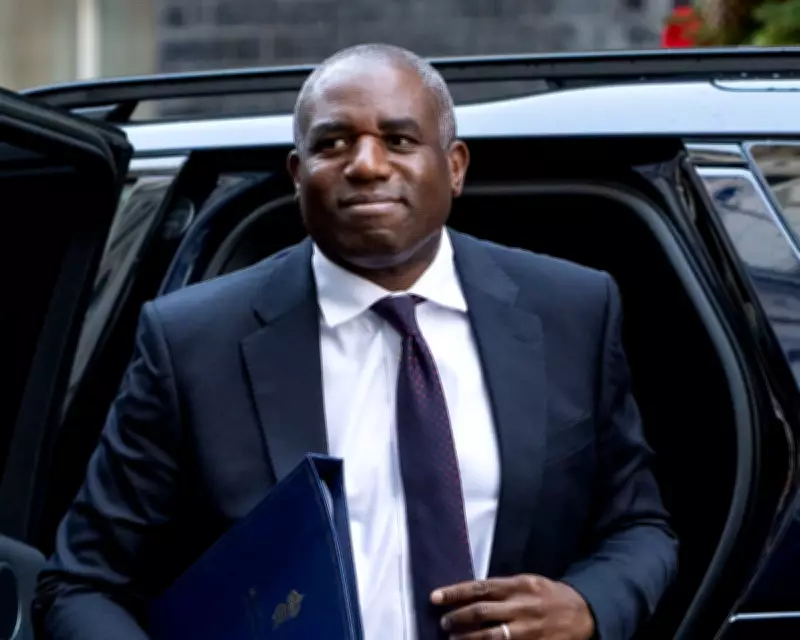
Lammy Lifts Cap on Court Sitting Days to Tackle Massive Backlog
Justice Secretary and Deputy Prime Minister David Lammy has announced the lifting of a cap on court sitting days in an effort to reduce a criminal cases backlog of at least 80,000 in England and Wales. This move guarantees unlimited sitting days for crown courts in the next financial year, funded as part of a broader government initiative.
Funding and Judicial Agreement
The decision follows discussions with Lady Chief Justice Sue Carr and is supported by a £2.8bn settlement for courts and tribunals for 2026/27, up from £2.5bn last year. This funding includes £287m in capital investment aimed at repairing deteriorating court buildings. The Ministry of Justice had previously planned to increase crown court sitting days to 111,250 this year, with expectations now rising to 113,000 due to this policy change.
Reactions from Legal Professionals
Criminal barristers have welcomed the announcement as a significant step. Riel Karmy-Jones KC and Andrew Thomas KC, chair and vice-chair of the Criminal Bar Association, described it as "a brave and significant first step." They emphasized that removing the cap is crucial for reducing delays and relieving pressure on complainants, witnesses, defendants, and justice system workers.

However, the Law Society cautioned that while the funding is a positive development, it may not be sufficient to fully clear the backlog or address infrastructure issues. Fiona Rutherford, chief executive of the pressure group Justice, warned against using this announcement to justify cuts to jury trials, stating that restricting jury rights could undermine public trust and increase miscarriage risks for marginalized communities.
Historical Context and Future Plans
Caps on court sitting days have been intermittently imposed over the years to manage budget constraints and staff shortages at the Ministry of Justice. Lammy is preparing further announcements focused on efficiencies, such as remote hearings, highlighted in Sir Brian Leveson's review. He stated, "Investment alone will not be enough to deliver timely justice, which is why it has to be combined with our pragmatic reforms and modernisation."