Federal Judge Strikes Down Trump Administration's Prosecutor Appointments in New Jersey
In a significant legal rebuke, a federal judge has disqualified three Justice Department officials appointed by the Trump administration to oversee federal prosecutions in New Jersey. The ruling, delivered on Monday, declares the appointments unconstitutional and part of what the judge described as an illegal power grab.
Constitutional Violation and Judicial Scrutiny
U.S. District Judge Matthew Brann issued a scathing 130-page decision, marking the latest development in an ongoing conflict between the judiciary and President Donald Trump over the selection process for U.S. attorneys. The judge ruled that appointing Philip Lamparello, Jordan Fox, and Ari Fontecchio to share authority for the New Jersey office violated the Appointments Clause of the Constitution, which mandates Senate confirmation for such positions.
This ruling follows Judge Brann's previous decision last year, which barred Trump's initial choice, former personal attorney Alina Habba, from the role due to her extended service without Senate confirmation. The judge criticized Attorney General Pam Bondi's unusual move to replace Habba indefinitely with the trio of officials, calling it another unconstitutional maneuver.

Broader Pattern of Executive Overreach
Judge Brann's decision highlights a broader pattern within the Trump administration, accusing it of an "enormous assertion of Presidential power." He wrote that the administration has frequently sought to bypass legal and constitutional limits by claiming hidden executive powers. "It is plain that President Trump and his top aides have chafed at the limits on their power set forth by law and the Constitution," Brann stated.
The judge expressed frustration with the administration's priorities, noting that it "cares far more about who is running" the federal prosecutor's office in New Jersey than "whether it is running at all." He pointed out that there are at least three legal methods available to fill the position, questioning why the administration opted for an unprecedented and complex leadership structure instead.
Reactions and Legal Fallout
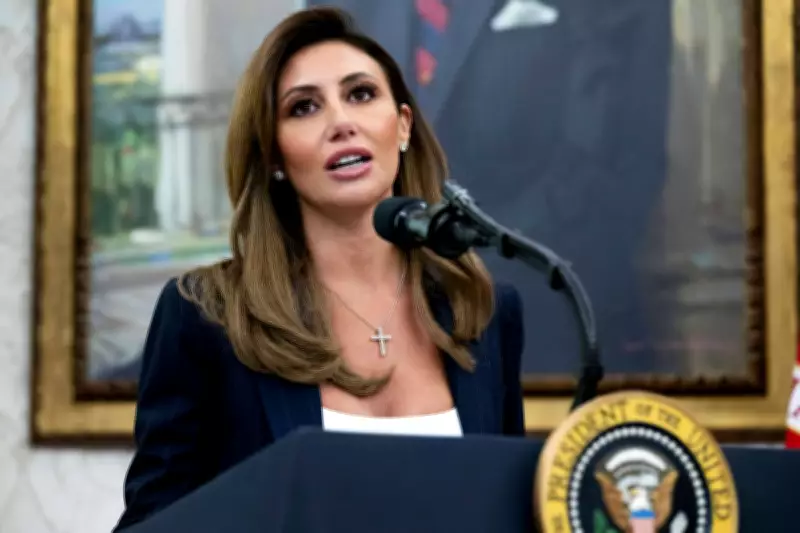
Alina Habba, who remains a senior adviser at the Justice Department, dismissed the ruling as "ridiculous." In a social media post, she asserted, "Judges may continue to try and stop President Trump from carrying out what the American people voted for, but we will not be deterred." She condemned what she called an unconstitutional overreach into the Executive Branch.
This case is part of a series of judicial rulings against the Trump administration's appointment practices. Judges have previously found that top federal prosecutors in Nevada, Los Angeles, and northern New York were serving unlawfully. In a notable instance, Lindsey Halligan left her role as acting U.S. attorney in Virginia after a judge ruled her appointment unlawful and dismissed indictments she brought against Trump adversaries.
Implications for Federal Prosecutions
The ruling raises concerns about the stability of federal prosecutions in New Jersey, with Judge Brann questioning why the fate of thousands of criminal cases hinges on an illegitimate leadership structure. Under normal circumstances, U.S. law requires Senate confirmation for U.S. attorneys, allowing only limited interim service without it. However, the Trump administration has repeatedly extended unconfirmed tenures through novel personnel tactics, which courts have consistently rejected.
In some cases, judges have exercised their authority to appoint U.S. attorneys temporarily until Senate confirmation occurs, only for the Justice Department to fire those appointees immediately. This ongoing tension underscores the deep-seated conflicts between the executive and judicial branches over constitutional appointments and the rule of law.