









Entertainment

Philomena Cunk Returns in New BBC Mockumentary Series on Cinema History
Diane Morgan reprises her role as Philomena Cunk in a three-part BBC series, 'Cunk On Cinema,' written by Charlie Brooker, exploring film history and AI's impact.





Politics

Immigration Appeals Board Denies Khalil's Deportation Case Dismissal
The Board of Immigration Appeals has rejected Mahmoud Khalil's latest attempt to dismiss his deportation case, advancing the Palestinian activist toward potential re-arrest and expulsion from the United States.



Sports

Bob MacIntyre's Masters Meltdown: Augusta Dreams Shattered After Crude Gesture
Bob MacIntyre's Masters hopes crumbled with an eight-over-par round, capped by a crude gesture after a disastrous quadruple bogey, leaving him facing a reprimand.



Crime

NYPD Sergeant Sentenced for Manslaughter After Cooler Toss Kills Dad
Erik Duran, a former NYPD sergeant, has been sentenced to 3-9 years for manslaughter after hurling a cooler that caused a fatal scooter crash in the Bronx.



Business




Health





Weather

Plane Door Pops Open Mid-Flight, Artist Films Terrifying Incident
A Nantucket artist captured footage of a plane door suddenly opening mid-flight during a Cape Air journey to a family funeral. The pilot's calm response helped passengers stay composed as the aircraft returned safely.
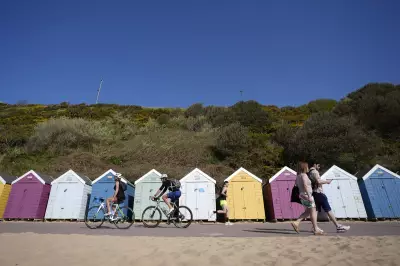
UK Records Hottest Day of 2026 in Spring Heatwave
The UK experienced record-breaking warmth this week, with temperatures reaching 26.6°C at Kew Gardens, marking the hottest day of 2026 so far. This unseasonable heat is attributed to southerly winds and climate change, but cooler weather is imminent.
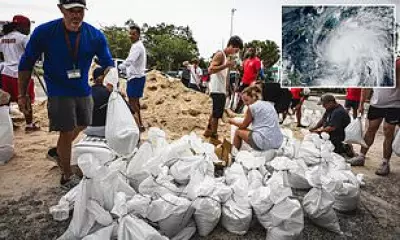
2026 Hurricane Forecast: Below Average but High US Impact Risk
Top scientists predict a 32% chance of a major hurricane hitting the US in 2026, urging preparedness despite below-average storm totals. Experts warn one storm can cause catastrophic damage.

Record UK Spring Warm Spell Ends with Rain and Gales
The UK's record-breaking spring warm spell, which saw one of the hottest April days ever, is set to end as rain, gales, and cooler temperatures sweep in for the weekend.

Indonesia Earthquake Damages Homes, Injures Dozens
A 4.9-magnitude earthquake struck Adonara, East Nusa Tenggara, damaging over 100 houses and injuring at least 20 people. The shallow quake highlights seismic risks in the Pacific 'Ring of Fire'.
British Isles Geography: Thursday Challenge
Thursday means geography challenge time! Test your knowledge of the British Isles with questions about landscapes, cities, rivers, and famous landmarks.
