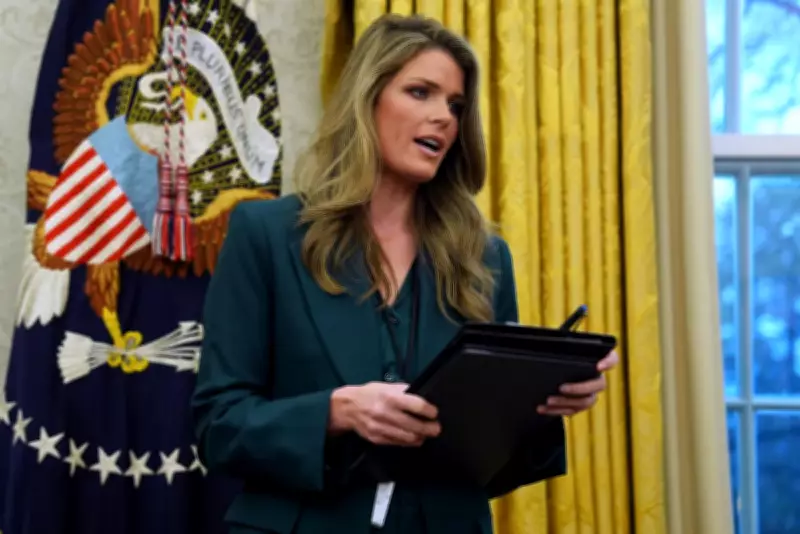
The Florida Bar Association has formally initiated an ethics investigation into Lindsey Halligan, a former interim US attorney who was appointed by Donald Trump. This development could potentially result in Halligan being stripped of her license to practice law in the state of Florida if the bar determines she violated ethical rules during her service.
Background of the Investigation
News of the investigation emerged through a February letter from Florida Bar counsel Carlos A. Leon to Michelle Kuppersmith, the executive director of the non-profit watchdog organization Campaign for Accountability. Kuppersmith's group had previously filed a complaint with the Florida Bar, alleging that Halligan breached ethical standards while working for the Trump administration.
In the correspondence, Leon stated, "We already have an investigation pending," confirming that the bar is actively reviewing the allegations. A message sent to an email address associated with Halligan, offering her the opportunity to comment on Leon's letter, was not immediately returned.

Halligan's Controversial Appointment and Actions
Lindsey Halligan, primarily known as an insurance litigator and a personal lawyer to Donald Trump, had no prior prosecutorial experience when she was sworn in as the US attorney for the eastern district of Virginia in September. Her appointment came after Trump forced out her predecessor, who had declined to institute criminal charges against New York attorney Letitia James and former FBI director James Comey.
During her tenure, Halligan oversaw indictments against both James and Comey. However, these cases faced widespread criticism for being politically motivated and unduly vindictive. In November, federal judge Cameron McGowan Currie dismissed both prosecutions, ruling that Halligan's appointment had been unlawful and, therefore, she lacked the legal authority to bring the indictments.
Legal Challenges and Unlawful Appointment
Judge Currie determined that Halligan's appointment was invalid because her predecessor had already served the maximum 120 days allowed for an interim US attorney. Under federal law, once that period expires, exclusive authority to name the US attorney falls to federal judges in the district. Additionally, the Senate must confirm US attorneys within 120 days of their appointment.
Lawyers for the Trump administration argued unsuccessfully that they were authorized to make consecutive interim appointments. The Campaign for Accountability has since contended that Halligan's unlawful appointment meant she falsely claimed to be a US attorney, violating ethics regulations. The group filed complaints with both the Virginia and Florida state bar associations and followed up with the Florida Bar in early February to check on the status of the matter.
Broader Implications and Justice Department Proposal
The investigation into Halligan gained attention as the US Justice Department proposed a policy to intervene in state bar associations' disciplinary inquiries targeting their employees. The proposal suggests that the Justice Department should first be allowed to complete its review of allegations before state bar associations proceed with their investigations. However, if implemented, state bar associations would not be forced to halt their own inquiries.
This case highlights ongoing tensions between state regulatory bodies and federal appointments, particularly in the context of politically charged prosecutions. The outcome of the Florida Bar's investigation could set a precedent for how similar cases are handled in the future, emphasizing the importance of ethical adherence in legal and prosecutorial roles.