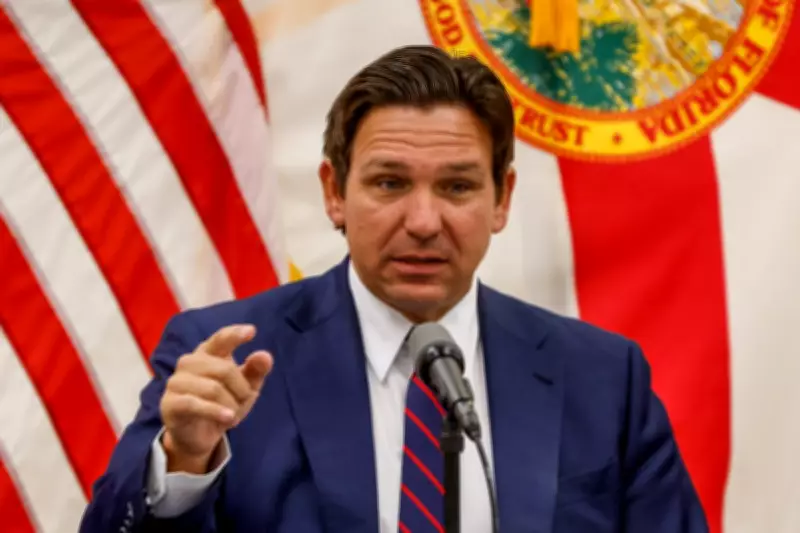
Ron DeSantis's time as governor of Florida has sparked intense debate over his legacy, with critics arguing he has steered the state toward a police state model, while supporters praise his strong governance and law enforcement policies.
Policing and Immigration Crackdowns
During his tenure, DeSantis implemented several controversial measures that expanded police powers and targeted immigration. These include the "anti-riot" law, which critics say criminalizes peaceful protest, and initiatives to increase deportations of undocumented immigrants.
Civil Liberties Under Scrutiny
Civil rights groups have raised alarms about the erosion of freedoms in Florida, pointing to restrictions on voting rights, LGBTQ+ protections, and educational content. DeSantis's policies have led to legal challenges and protests across the state.

Supporters' Perspective
Proponents of DeSantis argue that his actions have bolstered public safety, reduced crime, and upheld traditional values. They highlight his handling of the COVID-19 pandemic and economic growth as key achievements.
National Implications
DeSantis's approach in Florida has influenced national Republican politics, positioning him as a potential presidential candidate. His legacy could shape future debates on state power and individual rights in the US.
As DeSantis's term progresses, the debate over whether Florida has become a police state or a model of effective governance continues to polarize opinions, with long-term impacts on the state's social and political landscape.