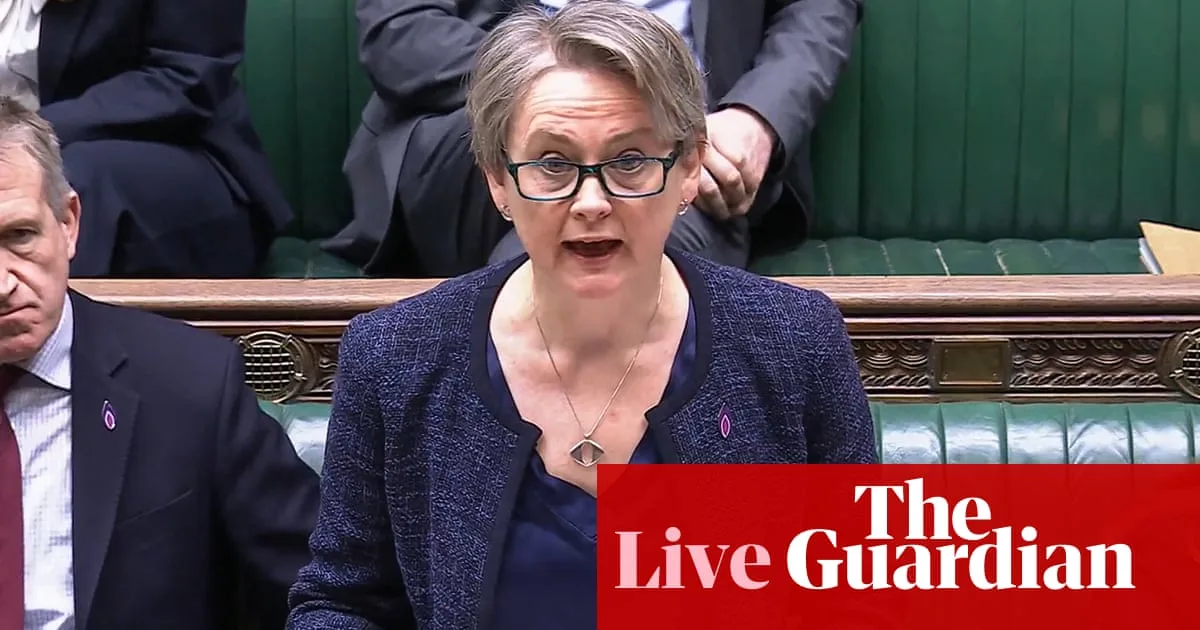
Home Secretary Yvette Cooper has called for changes to terrorism laws following the Southport attack, telling MPs that the current legal definition of terrorism is too narrow. Speaking in the Commons, she said the law, set out in the Terrorism Act, should be widened to cover cases where there is a clear intention to terrorise, even if no terrorist ideology is involved.
Cooper agreed with former Home Secretary James Cleverly that the distinction between terrorist and non-terrorist incidents is arbitrary and confusing to the public. Cleverly argued that the focus should be on risk and actions, not motivation. Cooper noted that while motivation is relevant for deterrence, the threat level can be equally high regardless of the legal classification.
The Home Secretary also announced a public inquiry into the attack, which will examine the wider threat posed by youth violence. She said there has been a 'big increase in youth violence and extremism on a really disturbing scale' in recent years, rejecting claims from former Brexit Secretary David Davis that lone attacks are not a new phenomenon.

Shadow Home Secretary Chris Philp welcomed the inquiry but said it should also cover the government's response, including public communications and the riots that followed. He questioned whether Prime Minister Keir Starmer was right to cite sub judice rules as a reason for limited information before the trial, quoting terrorism legislation reviewer Jonathan Hall who warned that information gaps allow misinformation to spread.
Cooper defended the government's actions, saying it was constrained by the Contempt of Court Act. She condemned 'downright lies' spread about the attack, which she said could have prejudiced the trial, and called for the inquiry to proceed without interference from those seeking political gain.