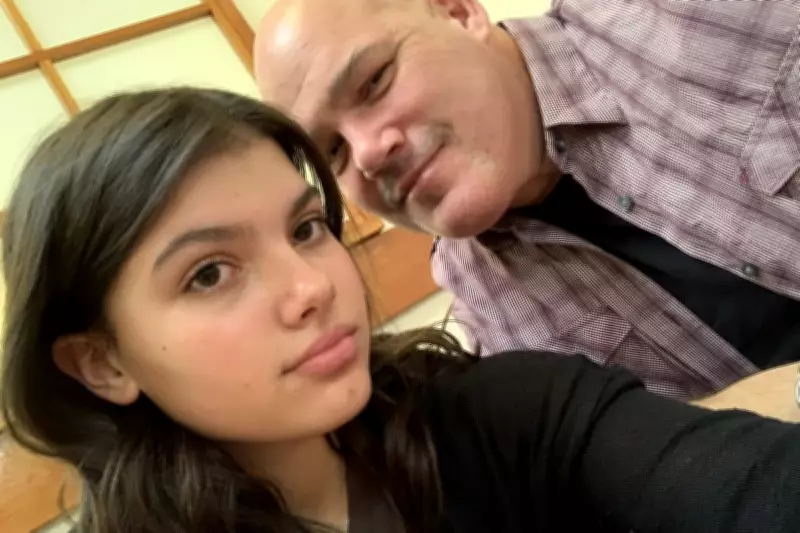
Coroner Confirms Drowning as Cause of Death in K'gari Dingo Attack
A coroner's investigation has concluded that 19-year-old Canadian backpacker Piper James died as a result of drowning following a dingo attack on K'gari, the World Heritage sand island off Queensland, Australia. The findings, released on Friday 6 March 2026, state that the teenager succumbed to drowning "in the setting of multiple injuries, due to, or as a consequence of a dingo attack."
Discovery and Immediate Aftermath
James's body was discovered in January on a beach near the Maheno shipwreck, surrounded by a pack of dingoes. This alarming scene prompted a thorough police investigation into the circumstances surrounding her tragic death. A spokesperson for the Queensland coroner's court emphasised that the investigation remains ongoing, with no further details available at this time.
In response to the incident, Queensland authorities euthanised eight of the ten dingoes that had encircled James's body on K'gari, formerly known as Fraser Island. Officials identified these animals as part of a pack believed to have exhibited aggressive behaviour during the event.

Autopsy Findings and Dingo Characteristics
A preliminary autopsy revealed evidence consistent with drowning, alongside injuries matching dingo bites. The report noted that pre-mortem bite marks were unlikely to have caused immediate death, while extensive post-mortem bite marks were present. Crucially, the autopsy found no indication of involvement by any other person.
Dingoes, referred to as wongari by the Indigenous Butchulla people, hold sacred status and are specifically recognised in K'gari's World Heritage listing. Protected under law, the island's dingo population is estimated to range between 70 and 200 individuals.
Piper James: A Life Cut Short
The teenager had been living and working on K'gari for six weeks prior to her death, employed as a housekeeper at a backpacker campsite alongside a close friend from her hometown in British Columbia. Described by her family as a vibrant and compassionate individual, James was remembered for her adventurous spirit.
"She was very adventurous. She loved motocross, camping, swimming, and surfing," her mother Angela James recounted. Before her overseas travels, James had spent two summers working with British Columbia's wildfire services, a role her father Todd said she took immense pride in.
Family Grief and Official Responses
"It breaks my heart we couldn't be there to save her," Angela James told the Australian Broadcasting Corporation following the coroner's findings. Todd James added, "It hurts my heart to think she was screaming for me. It's hard to imagine what our baby went through."
Queensland deputy premier Jarrod Bleijie described James's death as horrific but refused to implement tourist caps on K'gari, which attracts approximately 400,000 visitors annually despite having only about 150 permanent residents. "Fraser Island is the most amazing destination in the world and absolutely we'll keep encouraging people to go there," Bleijie stated, while emphasising the importance of educating visitors about dingo dangers.
Historical Context and Ongoing Concerns
This incident marks the first fatal dingo attack on K'gari since 2001, when nine-year-old Clinton Gage was attacked near a campsite, leading to the culling of around 30 dingoes. Activists have suggested that overtourism may contribute to aggressive dingo behaviour, raising questions about balancing conservation with visitor safety on the ecologically sensitive island.