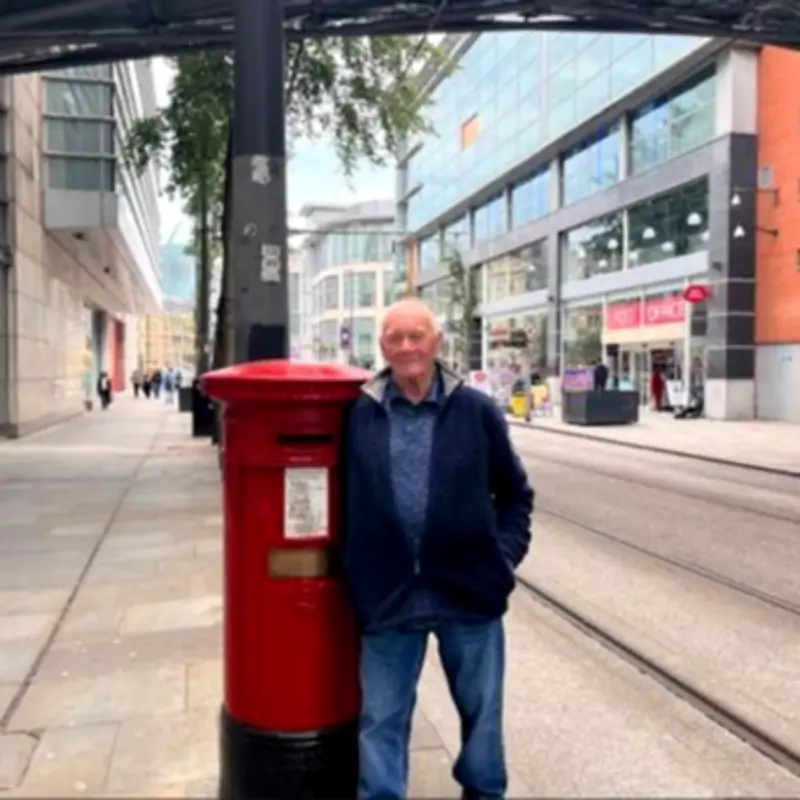
Barry Laycock, a victim of the 1996 IRA bombing in Manchester, has returned to the site on Corporation Street where the explosion changed his life forever. Thirty years on, the 87-year-old former railway manager says he cannot forget that day.
A Pilgrimage to the Past
On June 15, 1996, a 3,000lb device detonated in Manchester city centre, injuring more than 220 people and causing an estimated £700 million in damage. Laycock, then 57, was working at Victoria Station as a driver standards manager. The blast threw him against a wall of lockers, causing leg and spine injuries that ended his career.
Laycock visits the spot every year from his home in West Yorkshire. 'It's important for me to be here on the day,' he said. 'It's kind of a pressure relief. I will never ever get it out of my system. I wish I could walk away from it today and say I'll forget it but I can't.'

Quest for Justice
Laycock was one of three men who brought a legal case against Gerry Adams, alleging he was a leading member of the Provisional IRA. The case was discontinued in March after Adams denied involvement and the judge raised concerns about abuse of process. Laycock described himself as 'completely devastated' by the collapse.
Despite this, he continues to seek acknowledgment. 'I'm concerned about all the people who suffered during that bombing,' he said.
Remembering the Victims
In a statement handed to the Manchester Evening News, Laycock wrote: 'Thirty years ago, Manchester experienced one of the darkest days in its history. The bombing changed lives forever for hundreds of innocent people.' He praised the resilience of the city and the emergency services, adding: 'Manchester responded not with hatred, but with resilience, unity and determination.'
Laycock carries a copy of the MEN special edition about the bomb, which names a man police said had 'a substantial case to answer.' No one has ever been charged, and the investigation is now 'no longer active,' according to counter-terror police.
'My hope is that future generations continue to reject violence and division, and instead choose understanding, peace and compassion,' Laycock said.