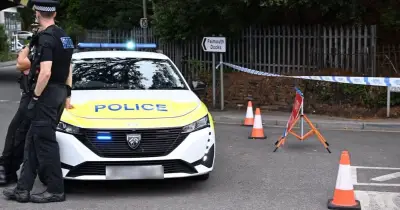
Disturbing new figures have exposed a dramatic escalation in racial and religious abuse across Britain's public transport network. Data obtained by a leading national newspaper shows a near 40% increase in recorded hate incidents on trains, buses, and trams over a two-year period, sparking serious concerns over passenger safety and social cohesion.
A Sharp Rise in Reported Abuse
The statistics, compiled from freedom of information requests to police forces across the country, paint a troubling picture. Reported hate crimes on public transport surged from 1,330 in 2022 to 1,863 in 2024, marking a significant and worrying trend. This rise far outpaces the overall increase in hate crimes recorded nationally during a similar timeframe.
Experts and campaigners have described the findings as evidence of a "growing crisis" on the transport systems that millions rely on daily. The data indicates that these incidents are not isolated but represent a pervasive problem affecting commuters, families, and workers travelling across UK cities and regions.
Victims and Advocates Speak Out
Charities supporting victims of hate crime have reported a corresponding increase in people seeking help after experiencing abuse while travelling. Many describe feeling trapped and vulnerable during incidents, with perpetrators often targeting individuals in confined carriages or at isolated bus stops.
"The numbers are shocking, but sadly not surprising to those of us on the front line," stated a spokesperson from a prominent anti-racism charity. "Public transport should be safe for everyone. This data suggests a failing in both prevention and response, leaving people from minority backgrounds feeling exposed and unprotected during their daily commute."
Case studies highlighted in the report include a Muslim woman who had her hijab pulled on a busy London Underground train and a Jewish man subjected to antisemitic slurs on a bus in Manchester. These personal accounts underscore the human impact behind the statistics.
Police Response and Systemic Challenges
The British Transport Police (BTP), which covers the rail network, acknowledged the increase and pointed to improved reporting mechanisms as a potential factor. A BTP representative stated, "We encourage all victims and witnesses to report hate crime to us. We are committed to tackling this issue and have dedicated resources to investigate these offences."
However, advocates argue that under-reporting remains a massive problem, meaning the true scale of abuse is likely even greater. Barriers to reporting include a lack of confidence in authorities, fear of reprisal, and the perception that nothing will be done. The data also reveals a postcode lottery in police recording practices, with some forces showing much steeper increases than others, raising questions about consistency.
Transport unions have voiced deep concern, noting that their members – drivers and station staff – are often on the frontline of these incidents and can feel ill-equipped to intervene safely. Calls have been made for enhanced training and clearer protocols for staff when hate crimes occur.
Looking Forward: Calls for Action
The alarming data has triggered calls for a concerted national strategy. Campaigners are urging the government, police, and transport operators to form a unified action plan. Key demands include:
- High-visibility policing and staff presence on key routes and at peak times.
- Nationwide, consistent awareness campaigns on public transport to promote reporting and deter offenders.
- Mandatory, specialised training for all frontline transport staff on how to identify, de-escalate, and report hate incidents.
- Simplified and more accessible reporting tools, such as dedicated text lines or mobile apps.
As the UK grapples with these findings, the central question remains: how to ensure that buses and trains, the arteries of national life, are safe and welcoming for every citizen, regardless of their background. The 40% rise is a clear indicator that current measures are insufficient, and without decisive action, the situation risks deteriorating further, eroding public trust and safety.