The UK's two largest police forces have declared they will arrest individuals using the controversial chant 'globalise the intifada' at protests, a move hailed by the Chief Rabbi as a critical step against hate speech but condemned by campaigners as political repression.
Police Chiefs Announce Decisive Action
In a rare joint statement on Wednesday 17 December 2025, the heads of the Metropolitan Police and Greater Manchester Police (GMP) stated their officers will now 'act decisively and make arrests' to deter intimidation. Met Commissioner Sir Mark Rowley and GMP Chief Constable Sir Stephen Watson said the context had changed following the Bondi Beach terror attack in Sydney, emphasising that 'words have meaning and consequence'.
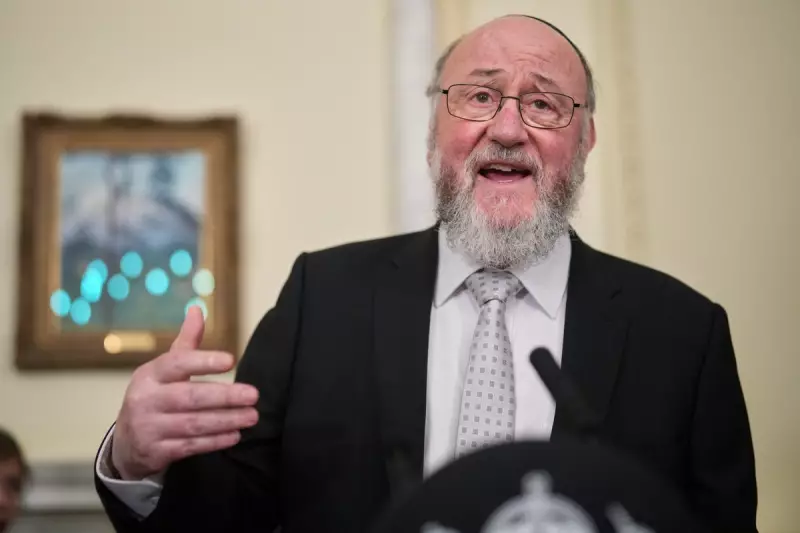
The announcement came after Chief Rabbi Sir Ephraim Mirvis called for a crackdown, arguing it must be made clear that such chants are unlawful. Sir Ephraim, who is travelling to Australia to meet victims of the Sydney shootings, welcomed the decision as 'a most welcome development, and an important step towards challenging the hateful rhetoric we have seen on our streets'.

Contested Meaning and Strong Reactions
The phrase 'globalise the intifada' is fiercely debated. The American Jewish Committee describes it as a call for aggressive resistance against Israel. However, protesters argue it symbolises a peaceful 'shaking off' of colonialism and injustice. Ben Jamal of the Palestine Solidarity Campaign slammed the police move, calling it 'another low in the political repression of protest for Palestinian rights' and an infringement on the right to protest.
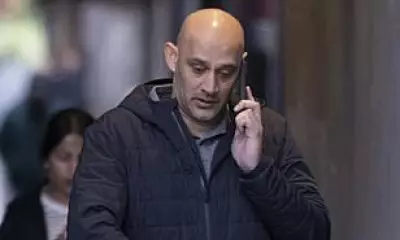
Sir Ephraim directly linked the chant's rhetoric to recent violence, citing the Yom Kippur attack at Heaton Park Synagogue in Manchester and the Hanukkah killings on Bondi Beach. In that attack, father and son Sajid and Naveed Akram allegedly opened fire on a crowd. Sajid Akram, 50, was killed by police, while Naveed, 24, awoke from a coma and faces charges including 15 counts of murder.
Community Response and Legal Path Forward
Jewish community groups strongly endorsed the police stance. The Community Security Trust said the announcement came 'not a moment too soon', welcoming a more robust response. The Campaign Against Antisemitism said police chiefs 'may finally be waking up' to the consequences of inflammatory language.
The Embassy of Israel in the UK welcomed the move but expressed disappointment that it had taken so long, hoping for real action to prevent further radicalisation. Prosecutors confirmed they will assess each case individually, advising police where evidence is insufficient. The Equality and Human Rights Commission stated it will monitor how forces enforce the new arrest policy.
The first funerals for Bondi victims, including London-born Rabbi Eli Schlanger, were held on Wednesday, underscoring the tragic real-world impact of the tensions now driving UK policing policy.