
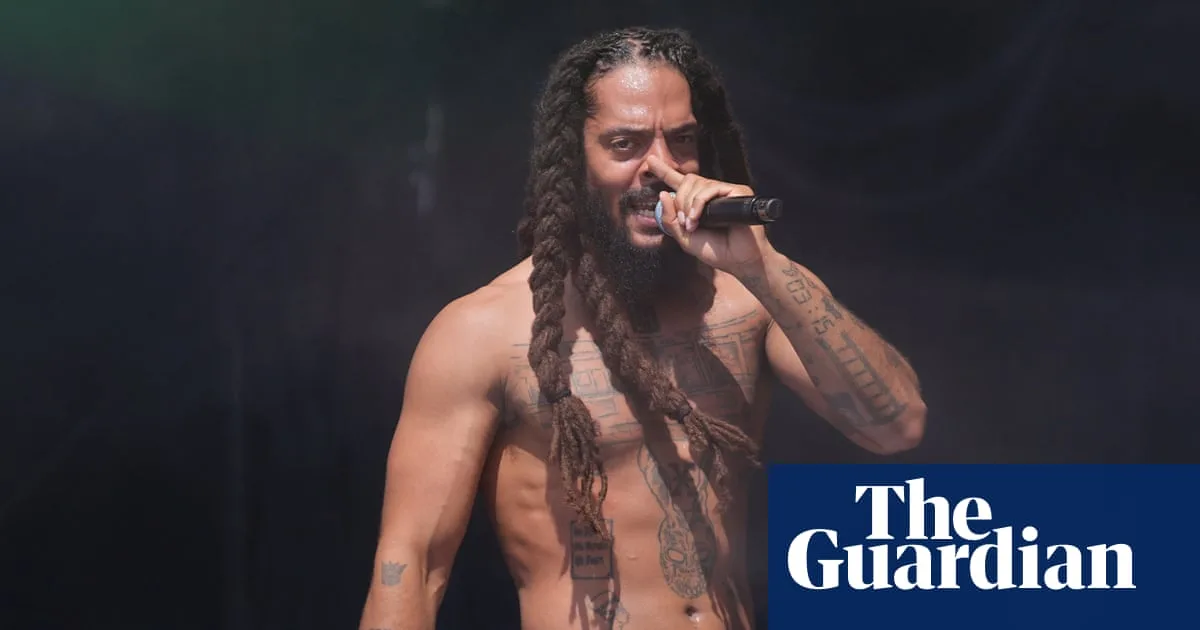
Avon and Somerset Police have confirmed that no further action will be taken over chants of “death, death to the IDF” led by rap duo Bob Vylan at Glastonbury Festival in June. The force stated there is “insufficient evidence for there to be a realistic prospect of conviction.”
Bobby Vylan, whose real name is Pascal Robinson-Foster, led the crowd on the West Holts stage in the chant, which referred to the Israel Defense Forces. A criminal investigation was launched shortly after the performance, and a man in his mid-30s was interviewed under caution last month but not formally arrested.
The police consulted the Crown Prosecution Service (CPS) in July, seeking advice on potential offences. A CPS spokesperson said they provided early investigative advice but were not asked to make a charging decision, as police concluded there was insufficient evidence.
The Community Security Trust, a charity protecting Jewish communities in the UK, expressed disappointment, saying the decision “sends completely the wrong message at the worst possible time.” The Metropolitan Police had previously closed a separate investigation into Bob Vylan’s gig at Alexandra Palace in May after CPS advice.




