
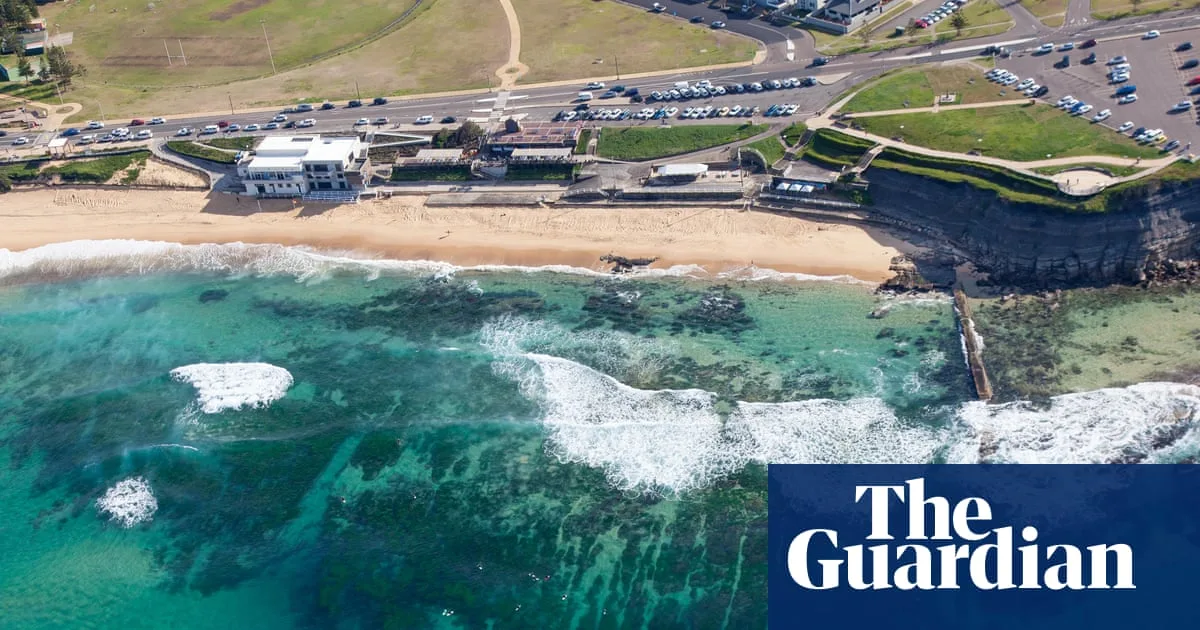
A man has been charged after allegedly displaying Nazi hate symbols through his tattoos at a beach in New South Wales. The incident occurred at Bar Beach in Newcastle on December 24, when local resident Ben Parsons spotted the man with tattoos linked to white supremacist ideology.
Parsons told Guardian Australia that the man was speaking loudly and behaving obnoxiously. He had a large white power tattoo on his calf and the logo of the Schutzstaffel (SS), the Nazi regime's elite guard, near his ankle. The man was accompanied by a woman and children.
After Parsons took photos of the tattoos, the man made a white power signal and left the beach. Parsons reported the incident to Crime Stoppers and provided a statement to NSW Police and Operation Shelter, the taskforce overseeing the response to antisemitic incidents.
Parsons said he felt it was important to speak up, especially now, and called for Australians to show solidarity and unity by calling out racism and fascism. Coffs Harbour detectives arrested a 36-year-old man at a home in Urunga on Saturday evening.
The man was charged with knowingly displaying a Nazi symbol without excuse and causing a prohibited Nazi symbol to be displayed in a public place. He was granted strict conditional bail and is scheduled to appear at Newcastle Local Court on January 22, 2026.




