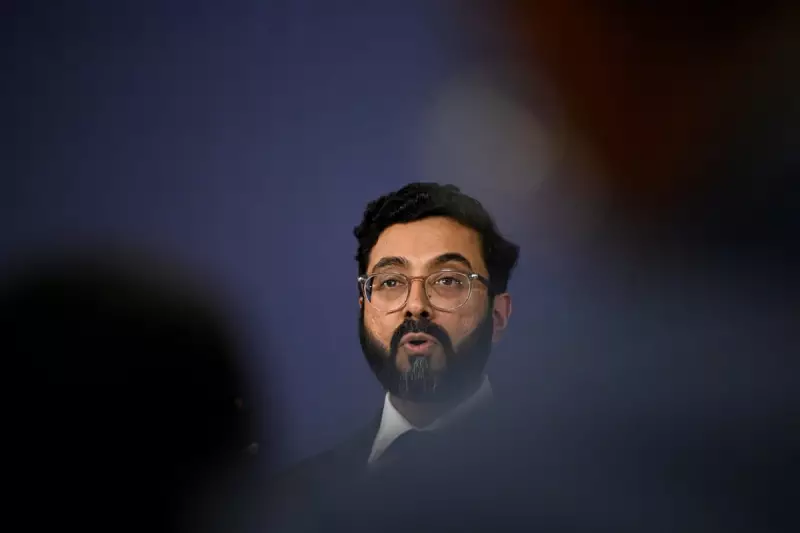
Australia's Muslim communities are facing a severe and distressing surge in Islamophobic abuse and attacks in the wake of the Bondi Junction terror attack, the nation's Special Envoy to Combat Islamophobia has revealed.
A Wave of Hate and Anxiety
Community registers that document anti-Muslim incidents have recorded a shocking 740% increase in reports since the devastating attack on 14 December. Aftab Malik, the Special Envoy, writes that while the nation grapples with grief, Muslim leaders face a dilemma over how to address this escalating hatred without diminishing the suffering of the Jewish community.
Reports collated by the Islamophobia Register Australia and Action Against Islamophobia detail a harrowing catalogue of abuse. This includes mosques and Islamic centres being vandalised across the country, a Muslim cemetery in New South Wales desecrated, individuals receiving threatening calls, physical assaults, and a torrent of online hate.

Muslim women are disproportionately targeted, reporting being spat at, abused, and threatened. Many have told Malik they have actively changed their daily routines and movements in public due to a heightened fear for their own and their children's safety.
Conflating Extremists with a Global Faith
Malik identifies a core problem: a dangerous conflation by some Australians of the jihadist group Islamic State (ISIS) with Islam itself, the religion of nearly two billion people worldwide. This is despite the extremist group being universally denounced by Muslim religious leaders globally and by imams across Australia.
He points to social media comments after the attack, such as "The common denominator in both Gaza and Bondi? Islam" and "It’s not a phobia, it’s pattern recognition," as evidence of this damaging confusion. These ideas, he argues, foster social exclusion, fear, and provide a "permission to hate", creating a divisive "us and them" dynamic that undermines Australian values of fairness and compassion.
Policing and Community Trust Under Strain
The envoy also addresses the impact of counter-terrorism operations on community trust. He cites the arrest and subsequent release without charge of seven Muslim youths—referred to by some as "the Liverpool seven." While understanding the need for police to investigate credible leads, many Muslims he spoke to found the "dramatic" arrests reinforced a perception that Muslims are perpetual suspects, spreading anxiety and paranoia.
Malik warns that such actions can erode trust between Muslim communities and police while fanning public anxiety about terrorism and Islam. He stresses that Muslim Australians should not have to carry collective responsibility for acts of terror or constantly prove their innocence.
"We cannot afford to return to the days of suspicion, profiling, guilt by association, securitisation and surveillance," Malik writes. He calls for a dignified debate about Islam that does not do the work of extremists by tearing society apart.
Concluding, the Special Envoy emphasises that speaking out against Islamophobia is not an exercise in competitive victimhood with the Jewish community, but a shared commitment to safety and mutual respect. He urges a move away from a "culture of fear," quoting Marie Curie: "Now is the time to understand more, so that we may fear less."