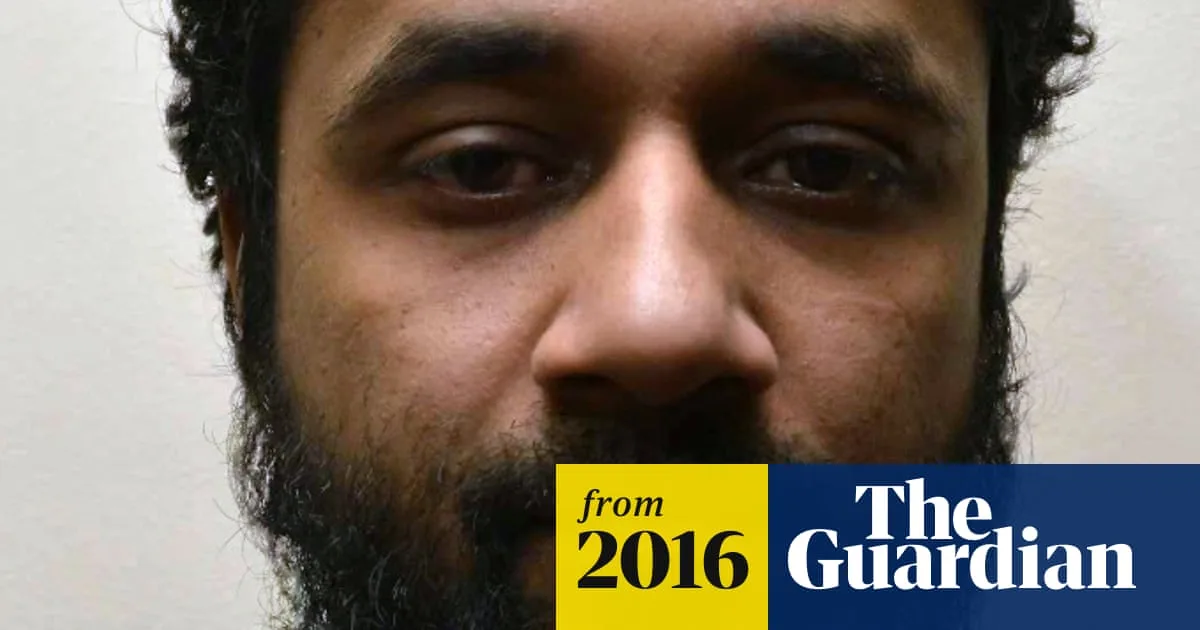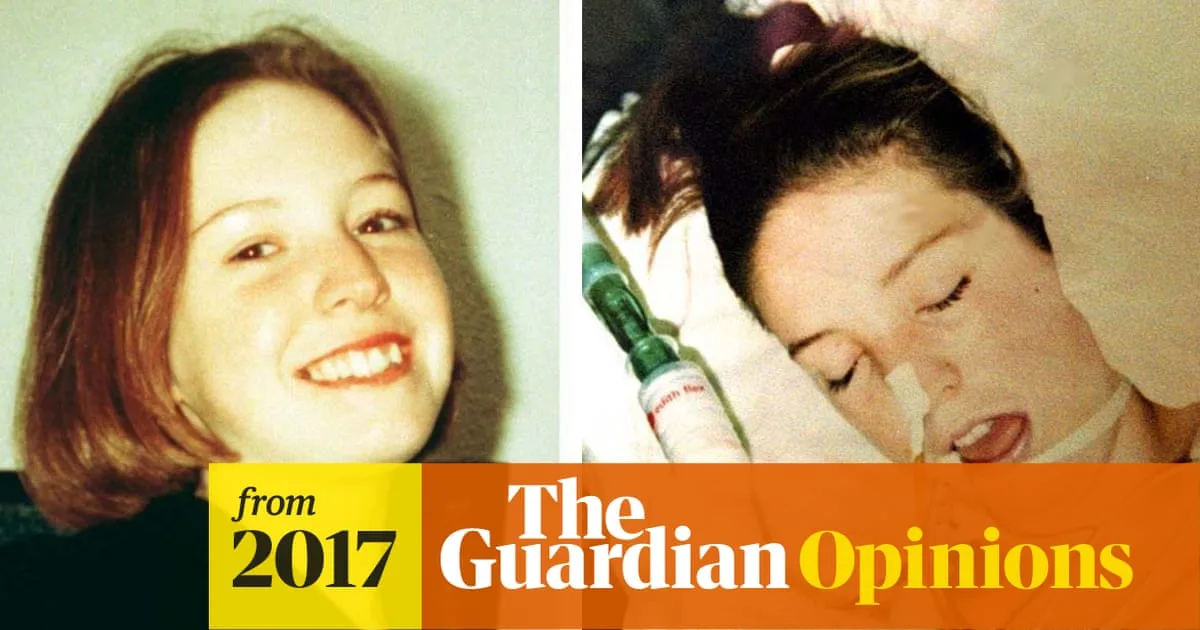
Paul Betts, the father of tragic ecstasy victim Leah Betts, has died 'broken-hearted' thirty years after his daughter's death, it has been revealed.
The retired Metropolitan Police firearms officer passed away at his remote Scottish home, aged 74, following a courageous fight against motor neurone disease. Friends say he never recovered from the pain of losing his youngest daughter.
A Life Defined by Loss and Campaigning
Leah Betts died in November 1995 after taking a single ecstasy tablet at her 18th birthday party at the family home in Latchingdon, Essex. Her life support machine was switched off on November 16 after she collapsed from drinking excessive water, which caused fatal swelling on her brain.
In a move that shocked the nation, Paul and his wife Janet, a former nurse, released a harrowing photograph of Leah dying in her hospital bed. This powerful image became the centrepiece of a massive anti-drugs campaign with the slogan: "Sorted – just one ecstasy tablet took Leah Betts".
A family friend told the Mirror: "Paul is very sadly no longer with us. He never really got over Leah's death, bless him. He was a lovely man and well respected. He died of a broken heart really."
Fleeing Threats for a Crusading Cause
Driven by his loss, Paul Betts became a formidable anti-drugs campaigner, visiting more than 2,000 schools to warn children about the dangers of substance abuse. His efforts, however, made him a target.
In 2004, Paul and Janet were forced to flee Essex after receiving death threats from drug lords. They relocated to a small croft in the remote Scottish Highlands village of Scoraig in an attempt to escape the painful memories and direct threats.
His death at home on December 8, 2020, had not been previously reported. His death certificate lists motor neurone disease as the cause.
A Final Fight and Lasting Legacy
Just three months before his death, Paul spoke about his health battle, revealing the disease had robbed him of mobility in his arms and legs. "Over the past three years I've been losing the ability to walk and losing strength. But I am a fighter," he said. "I'm applying the same fighting spirit to my own battle as I did to Leah's, I've got to."
He praised his wife Janet as his "stalwart", who had taken over all the heavy manual work on their croft.
The impact of the Betts family's campaign was profound. The released photo of Leah triggered a national outcry and a significant police crackdown on drugs. The case also led to better governmental policies on drug testing and contamination.
Sarah Tinker of the Essex Recovery Foundation commented: "It was a very brave thing of the family to release that image. It was hard-hitting. It attracted huge national coverage and shocked a lot of people." She added that it's crucial to remember Leah was a real person, far more than just the symbol of a tragic drug-related death.
In a grim coincidence, Paul Betts died just one day after the 25th anniversary of the infamous "Essex Boys" murders on December 7, 1995. The three drug dealers killed – Tony Tucker, Pat Tate, and Craig Rolfe – had controlled the ecstasy supply in the nightclub where Leah's tablet was purchased.